

A reader often decides whether an author feels trustworthy within seconds of seeing their photo. On the back cover of a book, that small image, the author headshot, quietly shapes credibility and curiosity. Traditional photoshoots can cost hundreds of dollars and take weeks to arrange. Today, AI tools generate polished author portraits in minutes. Platforms like The Looktara Lens now help writers create professional headshots that fit perfectly on book jackets, author bios, and marketing pages without hiring a studio photographer. This shift is changing how writers build their public image, especially self published authors who control their own branding.
Why the Author Headshot Matters on a Book Jacket
Readers rarely buy a book based on text alone. Visual cues shape trust. A strong author portrait signals professionalism, credibility, and genre alignment.
Publishing experts often describe the author photo as a "visual handshake." When readers flip to the back cover, they expect a clear portrait that shows the person behind the story.
A professional author headshot can increase perceived credibility of an author brand, according to publishing marketing studies cited by industry consultants.
For modern authors, the headshot appears in many places beyond the book jacket:
- Back cover author bio
- Amazon or Goodreads author page
- Publisher media kits
- Podcast interviews and guest features
- Social media marketing posts
Indie authors especially benefit from consistent branding. If the photo used on the book jacket also appears on social media banners and promotional graphics, readers recognize the author faster.
Tools that automate visual branding make this easier. For example, authors promoting their work online often create promotional graphics using tools like a LinkedIn post AI generator for author marketing so their portrait and message stay visually consistent.
Where Book Jacket Headshots Are Displayed
Book jacket photos appear across both print and digital channels. In many cases, the same image is reused for multiple marketing assets.
Common placements include:
- Back cover author biography
- Dust jacket inside flap
- Online bookstore listings
- Press kits and author websites
- Conference speaker profiles
Consistency across these placements strengthens brand identity. A recognizable portrait becomes part of the author's public image.
How AI Generates Professional Author Headshots
AI headshot tools rely on generative image models trained on large image datasets. These systems analyze facial features, lighting patterns, and portrait composition to produce studio style images from simple inputs.
In most cases, authors upload a few casual photos, then the AI produces dozens of professional variations.
Typical AI Headshot Generation Workflow
| Step | What Happens | Time Required |
|---|---|---|
| Upload photos | 5–15 selfies or casual photos are submitted | 2 minutes |
| AI model training | System analyzes face structure and style | 5–20 minutes |
| Portrait generation | Dozens of professional images created | Instant |
| Selection and editing | Author chooses final portrait | 5 minutes |
AI systems simulate:
- Professional lighting setups
- Neutral studio backgrounds
- Book genre aesthetic
- Camera depth and lens blur
The result resembles a traditional studio photo without requiring expensive equipment.
Some platforms combine portrait generation with marketing asset creation. For instance, authors who already generate a professional headshot may later create a book promotion graphic or banner using a website hero image AI generator for book promotion.
Why AI Portraits Look Increasingly Realistic
Modern generative models, including diffusion based image systems introduced after 2023, dramatically improved realism. They simulate shadows, lens distortion, and skin texture.
Researchers studying generative models in computer vision journals note that diffusion models can reproduce photographic lighting patterns with high accuracy, which is why AI portraits now closely resemble DSLR photography.
Choosing the Right Style for Your Author Genre
A thriller novelist should not present the same visual tone as a children's book author. The best author headshots match the emotional tone of the writer's genre.
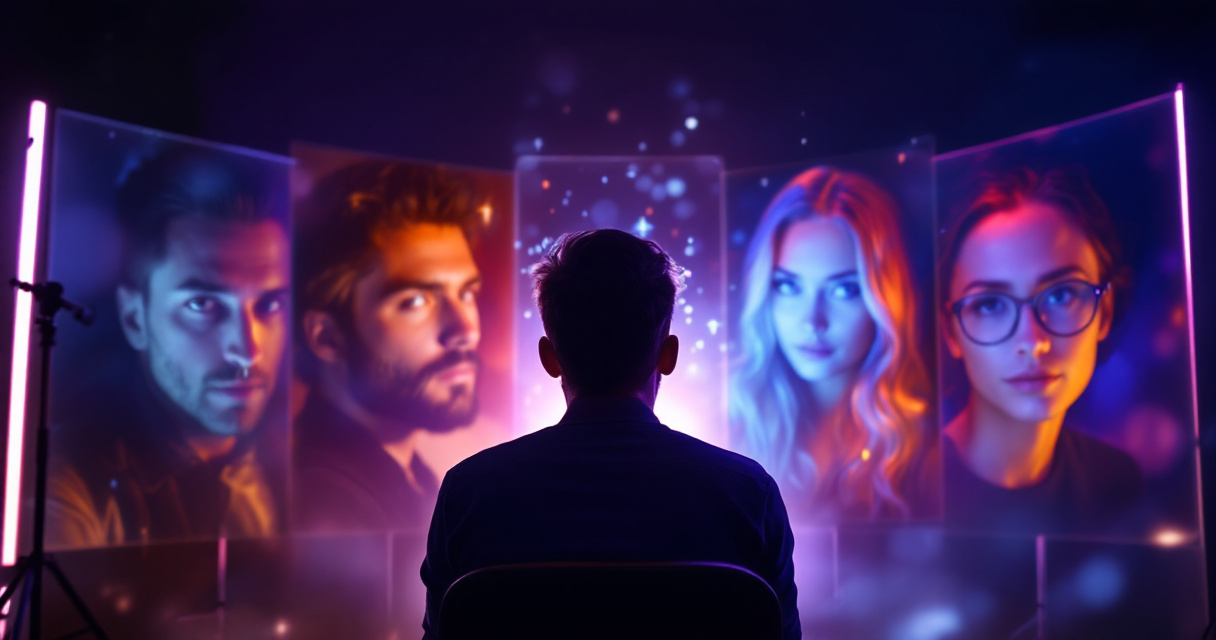
Author Headshot Styles by Genre
| Genre | Common Visual Style | Example Elements |
|---|---|---|
| Thriller / Mystery | Darker lighting | Dramatic shadows, neutral clothing |
| Romance | Warm and approachable | Soft lighting, natural smiles |
| Business / Nonfiction | Professional | Neutral background, confident pose |
| Sci‑fi / Fantasy | Creative | Stylized lighting, unique color tones |
| Memoir | Personal and authentic | Natural environment or soft portrait |
A mismatch can confuse readers. A comedic author with a serious corporate portrait may appear distant, while a business writer with a casual selfie may appear less credible.
AI headshot systems help by producing multiple styles. Authors can compare options and select the portrait that best reflects their brand.
Visual Elements That Improve Book Jacket Photos
Professional book designers recommend several visual details for author portraits:
- Neutral or lightly textured backgrounds
- Eye level camera angle
- Clear facial expression
- High resolution image (at least 300 DPI for print)
- Consistent lighting without harsh shadows
Book jackets are printed at small sizes, often under 2 inches wide. A simple composition keeps the portrait clear when scaled down.
Comparing AI Headshots vs Traditional Author Photoshoots
Studio photography remains popular, but AI options are growing quickly because of cost and speed.
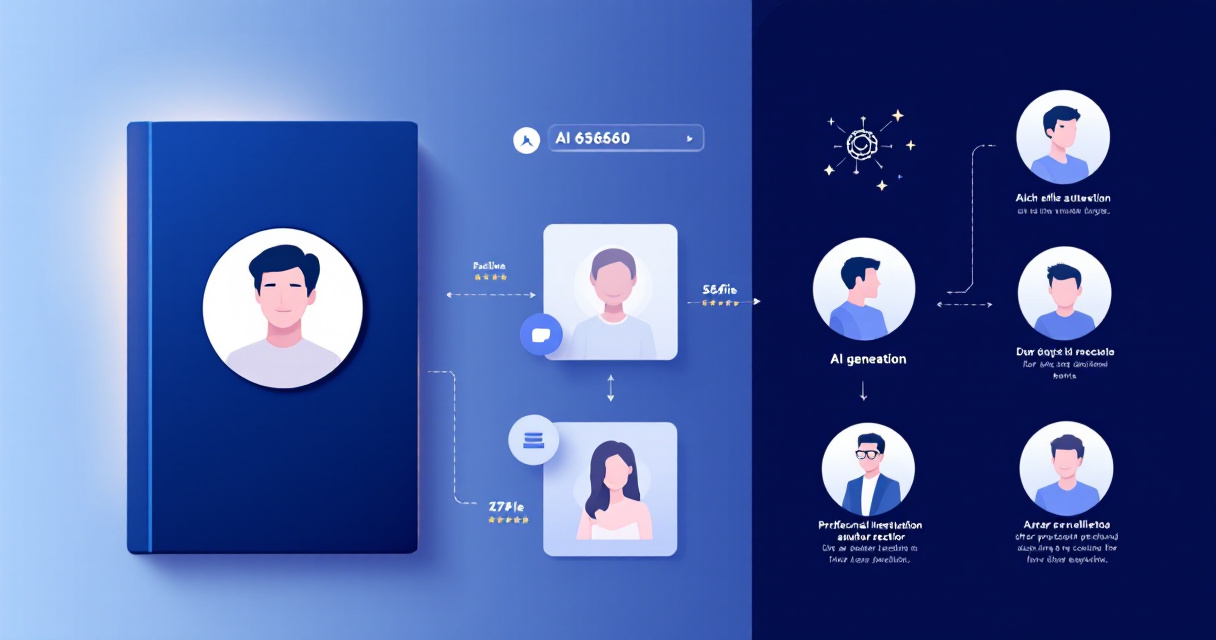
Cost and Time Comparison
| Method | Average Cost | Time Needed | Output Options |
|---|---|---|---|
| Professional studio shoot | $200–$800 | Days or weeks | 5–20 photos |
| Freelance photographer | $100–$400 | Several days | 5–15 photos |
| AI headshot generator | $10–$40 | Minutes | 30–100 images |
Many independent authors prefer AI because they control the process. If a portrait does not match their branding, they simply generate more variations.
Marketing teams also reuse the portrait across promotional graphics. For example, a single author image might appear on social graphics produced using a Pinterest pin generator for book promotion or in promotional thumbnails.
When a Traditional Photoshoot Still Makes Sense
Some authors still choose traditional photography when:
- A publisher requires studio photography
- Magazine interviews require original photos
- The author wants environmental portraits in real locations
Even in these cases, AI tools are often used to enhance lighting or generate alternative marketing visuals.
Common Mistakes Authors Make with AI Headshots
AI tools are powerful but not foolproof. Poor inputs can lead to unrealistic portraits.
Frequent mistakes include:
- Uploading low quality selfies
- Using inconsistent lighting across photos
- Choosing overly stylized images
- Ignoring print resolution requirements
Publishing designers often warn that overly edited portraits can reduce trust if readers sense the image is artificial.
Another issue involves inconsistent branding. An author might use one portrait on a book jacket and a completely different style on marketing graphics.
Authors often fix this by generating matching promotional visuals. For instance, promotional posts using an AI powered X post generator for book launches can include the same headshot used on the book cover.
Quick Checklist Before Publishing Your Author Photo
Before submitting a headshot for a book jacket, confirm:
- Image resolution is at least 300 DPI
- Lighting looks natural
- Face remains clearly visible at small size
- The style matches the book genre
- The photo matches your online branding
This short review prevents many common publishing issues.
AI Tools Expanding Beyond Headshots in Author Marketing
The same AI systems that generate portraits now help create entire marketing packages for authors.
Writers increasingly generate:
- Ebook covers
- Social media launch graphics
- Website hero banners
- Video thumbnails for book trailers
For example, an author publishing a digital guide may design their cover using an AI ebook cover generator for TikTok promotion while using the same portrait across promotional posts.
This approach builds a recognizable visual identity around the author's face and brand.
Video: AI Tools Changing Book Design
AI generated visuals are reshaping publishing workflows, from illustrations to author branding.
Watch: AI and the Future of Book Visuals
The video highlights how generative tools are changing illustration, book covers, and author imagery across the publishing industry.
What to Expect from AI Author Portraits by 2027
AI portrait generation continues improving rapidly. Several developments already appear in beta tools across 2025 and 2026.
Emerging capabilities include:
- Real time headshot generation from a single selfie
- Automatic background adaptation for book genres
- Consistent character style across marketing images
- Motion portraits for animated book promotions
Publishing technology analysts expect author branding to become increasingly automated.
Some AI design platforms already generate an entire author media kit, including headshots, book covers, and promotional graphics from a short prompt.
This trend helps independent authors compete with large publishing houses that previously controlled professional photography budgets.
Video: AI Book Cover Creation Tutorial
Watch: AI Book Cover Creation Walkthrough
The tutorial demonstrates how modern AI tools generate full book design assets, including portraits and cover graphics.
Conclusion
A strong author headshot influences how readers perceive the person behind a book. It appears on book jackets, online listings, interviews, and marketing materials, so consistency matters.
AI tools now allow authors to produce professional portraits quickly without expensive studio sessions. Platforms such as The Looktara Lens help writers create polished headshots and visual assets that align with their author brand.
If you are preparing a new book release, start by generating several AI headshot styles, select one that fits your genre, and reuse it across your website, social media graphics, and book marketing materials. A recognizable author image builds trust and helps readers remember your work.