
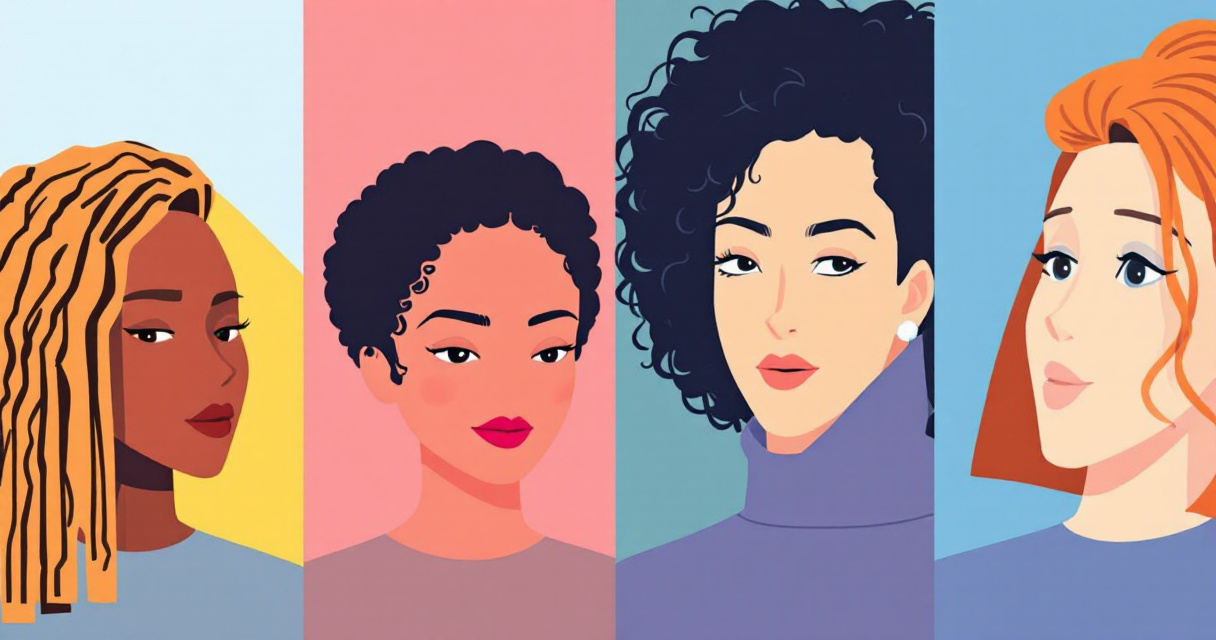
Upload a few selfies and get a polished professional portrait in minutes. That promise has fueled the rise of AI headshot generators across LinkedIn, resumes, and dating profiles. But a critical question remains: how accurately do these tools represent people from different ethnic backgrounds?
A headshot, according to Wikipedia, is a photographic portrait focused on a person's face, commonly used for professional profiles and casting images. AI now produces these portraits using generative models trained on millions of photos. Yet researchers and users have repeatedly pointed out inconsistencies when the subject belongs to underrepresented ethnic groups.
In 2026, the conversation has shifted from whether AI headshots work to how well they capture real identity across ethnicities. Modern tools such as The Looktara Lens and other AI portrait platforms are improving training data and model design to reduce bias and produce more faithful results. Understanding how these systems work, where they still struggle, and what users can do to improve accuracy helps you decide whether AI headshots are a reliable option.
Why Ethnicity Accuracy Became a Major Issue in AI Headshots
Early AI portrait generators often struggled with accurate representation. Users reported skin tone changes, altered facial features, or even completely different ethnic appearances in generated images. These problems come from how generative models learn.
Modern AI headshot tools rely on deep learning systems trained on vast image datasets. If the dataset contains disproportionate representation of certain groups, the model learns patterns that favor those appearances. Researchers Milagros Miceli and Julian Posada describe this issue as a data-production problem, where biases appear during the collection and labeling of datasets (ACM, 2022).
When training data lacks diversity, AI models may reproduce stereotypes or distortions instead of authentic representation.
These issues matter because professional headshots influence first impressions in hiring, networking, and branding. LinkedIn data has repeatedly shown profile photos significantly increase engagement and connection requests.
Common Accuracy Issues Reported by Users
Testing from several AI headshot review sites in 2025 and 2026 found recurring issues affecting some ethnic groups:
- Skin tones appearing lighter or darker than reality
- Hair texture changes, especially for curly or coiled hair
- Facial structure shifts that resemble another ethnicity
- Cultural features such as facial hair styles being altered
Most of these errors happen when the model tries to "average" features learned from training data.
Why Training Data Diversity Matters
Generative models such as StyleGAN and diffusion-based systems depend heavily on training images. A 2024 survey published in IEEE Transactions on Pattern Analysis and Machine Intelligence notes that face generation models improve realism when datasets include broad demographic representation across age, ethnicity, and lighting conditions.
When training sets lack this diversity, AI struggles with accurate feature reconstruction.
How Modern AI Headshot Models Generate Faces
Understanding the technology behind AI headshots explains why accuracy varies. Most platforms now use diffusion models or GAN-based architectures to generate photorealistic portraits from uploaded images.
Core Technologies Used in AI Portrait Generation
Recent systems combine several techniques:
- Diffusion models that gradually refine random noise into a photorealistic face
- Identity embedding networks that extract unique facial features
- Fine-tuned style models trained on professional photography datasets
Google's Gemini 1.5 research (2024) demonstrated that multimodal AI systems can process large image contexts, which helps models better preserve identity features across generated images.
Accuracy Benchmarks Across Leading Tools
Independent tests published by AI photography blogs compared several popular headshot generators in 2026. They evaluated likeness preservation, ethnicity accuracy, and lighting realism.
AI Headshot Accuracy Snapshot (2026 Tests)
| Tool | Identity Match | Ethnicity Consistency | Style Variety |
|---|---|---|---|
| Aragon AI | High | Medium | High |
| HeadshotPro | High | Medium-High | Medium |
| BetterPic | Medium-High | Medium | High |
| InstaHeadshots | High | High | Medium |
| Secta AI | Medium | Medium | High |
Most tools scored well on general realism but showed more variability when the subject had unique facial structures or underrepresented features.
What Determines Whether an AI Headshot Matches Your Ethnicity
Accuracy is not just about the AI model. The input images and generation settings also play a major role.
Input Photo Quality and Variety
Most platforms recommend uploading 10 to 20 images from different angles and lighting setups. This helps the model capture unique features instead of guessing.
Strong training sets usually include:
- Neutral lighting photos
- Different facial expressions
- Multiple angles of the face
- Natural hair styling
Users who upload only one selfie often get the most distorted results.
Ethnicity-Preserving Model Tuning
Newer systems try to maintain identity by using face embedding models that encode specific traits such as jawline shape, eye spacing, and skin tone.
Platforms including The Looktara Lens apply additional tuning so generated images keep consistent identity features while still producing studio-quality backgrounds and lighting.
For job seekers specifically, tools such as the AI resume headshot generator focus on realistic professional portraits rather than stylized edits.
Real-World Tests: Do AI Headshots Represent Diverse Users Correctly?
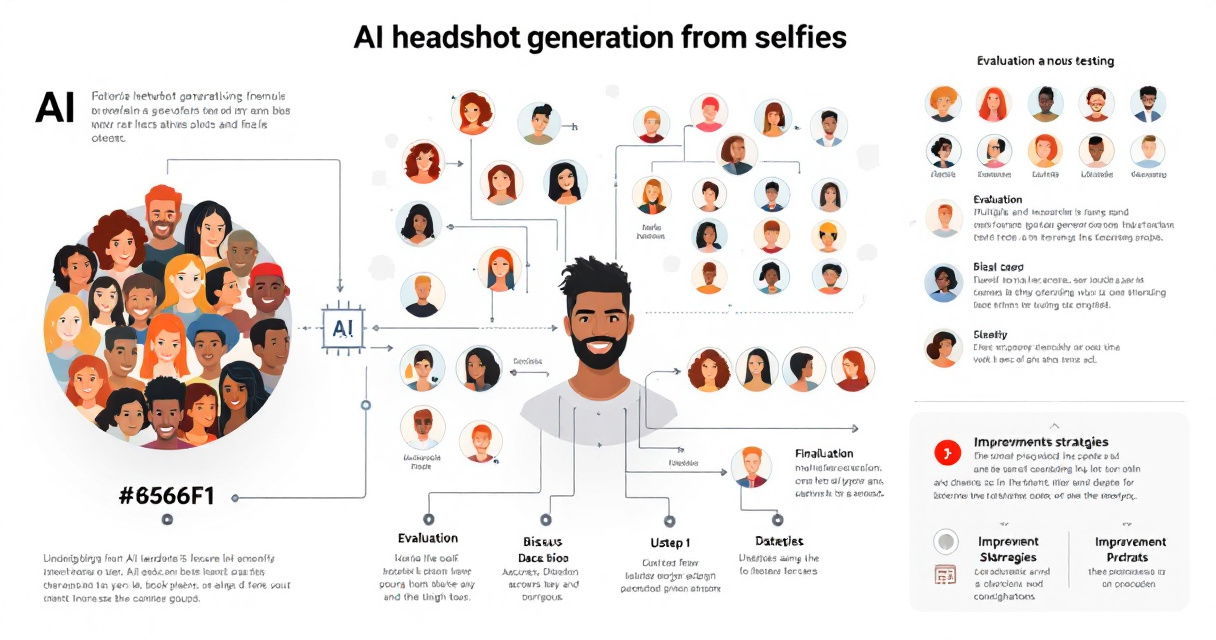
Hands-on testing from several tech reviewers in 2025 and 2026 shows improvement compared to earlier models from 2022 to 2023. Still, results vary by platform.
Observed Improvements in 2026 Models
Reviewers noted several upgrades compared with earlier AI portrait tools:
- Better handling of darker skin tones
- Improved recognition of curly and textured hair
- Reduced facial feature blending between ethnic groups
These improvements come from larger datasets and more careful model tuning.
Remaining Limitations to Watch
Even with improvements, some limitations remain:
- Mixed-ethnicity individuals sometimes receive inconsistent results
- Cultural details such as jewelry or hairstyles may change
- Lighting adjustments can alter perceived skin tone
AI portraits work best when the system receives multiple high-quality photos that clearly represent your real appearance.
Creators building personal brands often combine headshots with other AI visuals. For example, a fitness creator might pair their portrait with a generated banner using a fitness TikTok banner AI generator or create thumbnails through a fitness Shopify YouTube thumbnail AI generator.
How to Get More Accurate AI Headshots If You Have Diverse Features
Users can improve results significantly by preparing their input photos carefully.
Steps That Increase Ethnicity Accuracy
Follow these best practices when generating AI headshots:
- Upload 15 to 20 photos instead of the minimum requirement
- Include natural lighting images without filters
- Keep hairstyles consistent across photos
- Avoid heavy makeup or editing
- Provide both front-facing and side angles
These steps help the AI identify stable facial patterns rather than guessing.
Combining Headshots With AI Branding Visuals
Professionals rarely need only a headshot. Entrepreneurs and creators often build a full visual brand around it.
For example:
- A coach might design a landing page using a fitness Shopify website hero AI generator
- Social creators often design profile visuals with a fitness Shopify TikTok cover AI generator
- Business owners create brand graphics using tools such as a fitness Shopify logo AI generator
Using one platform for both headshots and brand visuals keeps visual identity consistent.
Tutorial: Creating AI Images and Headshots With Modern Tools
Video tutorials help demonstrate how generative AI produces professional-looking images from simple prompts and photos.
Watch: Step-by-Step AI Image Creation Guide
This beginner-friendly walkthrough explains how modern AI tools generate and edit images.
AI Image Creation Tutorial
What to Expect From AI Headshot Technology by 2027
The next generation of AI headshot tools will likely focus on identity accuracy and fairness rather than just realism.
Emerging Improvements in AI Portrait Models
Several trends are shaping the future of AI-generated portraits:
- Diversity-balanced datasets trained on global populations
- Identity preservation models that lock key facial traits
- Real-time generation for video calls and live avatars
- User-controlled ethnicity settings to prevent misrepresentation
Researchers also expect better integration with multimodal AI systems capable of understanding both text prompts and visual identity cues.
Why Identity-Safe AI Design Matters
Accuracy is more than aesthetics. When AI represents someone incorrectly, it can affect professional credibility or personal identity.
Future AI design focuses on "identity-safe generation", where systems prioritize preserving the subject's real features over stylistic edits.
Platforms that invest in this approach are likely to dominate the next wave of AI portrait tools.
Conclusion
AI headshot technology has improved quickly, but accuracy across different ethnicities remains an important challenge. Modern models trained on larger and more diverse datasets now produce far better results than earlier systems, yet input quality and platform design still matter.
Tools like The Looktara Lens aim to close that gap by focusing on identity preservation while still delivering professional-quality portraits. If you need a headshot for LinkedIn, a resume, or personal branding, experimenting with an AI platform can save time and cost compared to traditional studio photography.
Start by uploading a diverse set of photos and testing results with a platform such as The Looktara Lens. A few minutes of setup can produce professional portraits ready for resumes, social profiles, and digital branding.