
A weak profile photo can quietly undercut a strong MBA application. While a Master of Business Administration is a professional degree focused on business administration, admissions committees are still judging a candidate's overall professional presentation, especially on linked profiles, networking platforms, and sometimes application materials, based on the core definition summarized from Wikipedia's MBA entry. In 2026, AI headshots are now common, but not every generated image is a smart choice for business school. The goal is simple: look like your best current self, not a synthetic version of someone else. Tools such as The Looktara Lens can help you create a polished image fast, but your final photo still needs to feel authentic, current, and admissions-safe.
Why an MBA applicant might use an AI headshot in 2026
The search interest alone shows how crowded this topic has become. SERP research returned about 3,370,000 results for the query, which signals strong competition and growing adoption of AI-generated professional imagery. Top-ranking pages also lean heavily on promises like "studio-quality" and "professional headshots," based on current SERP findings from DataForSEO and competitor pages such as Canva's AI headshot page and other commercial generators listed in the research set.
That popularity makes sense. MBA applicants often need a clean image for multiple places at once:
- application portals that allow optional photos
- LinkedIn updates before recruiting starts
- school community platforms after admission
- networking events, class directories, and alumni tools
Key takeaway: An AI headshot works best when it saves time and improves consistency, not when it changes your identity.
A strong AI headshot can also support the rest of your personal brand. If you are refining your professional presence beyond one photo, related assets like a resume headshot generator for career materials or a LinkedIn post AI generator for personal branding can help keep your profile polished across channels.
Still, MBA applications are different from casual social media. Schools expect professionalism, maturity, and honesty. That means the "best" AI headshot is rarely the most dramatic one. It's usually the one that looks like you showed up well-rested, well-dressed, and camera-ready.
What makes this use case different from a normal business headshot
MBA applicants sit in a middle ground. You are not only applying for a program, you are also presenting future employability. A startup founder, consultant, nonprofit leader, or military applicant may all need slightly different visual signals, but every strong MBA photo should still look credible in a business setting.
Many competitor pages focus on speed and image quality. What they often miss is the admissions context: your photo may be seen alongside essays, recommendations, test scores, and a career history. So the standard is not just "professional." It's "professional and believable."
What admissions-friendly AI headshots actually look like
The safest MBA application headshot follows the same visual rules as a traditional professional portrait. That includes a neutral or lightly blurred background, realistic skin texture, clothing that fits your target industry, and an expression that feels approachable but serious.
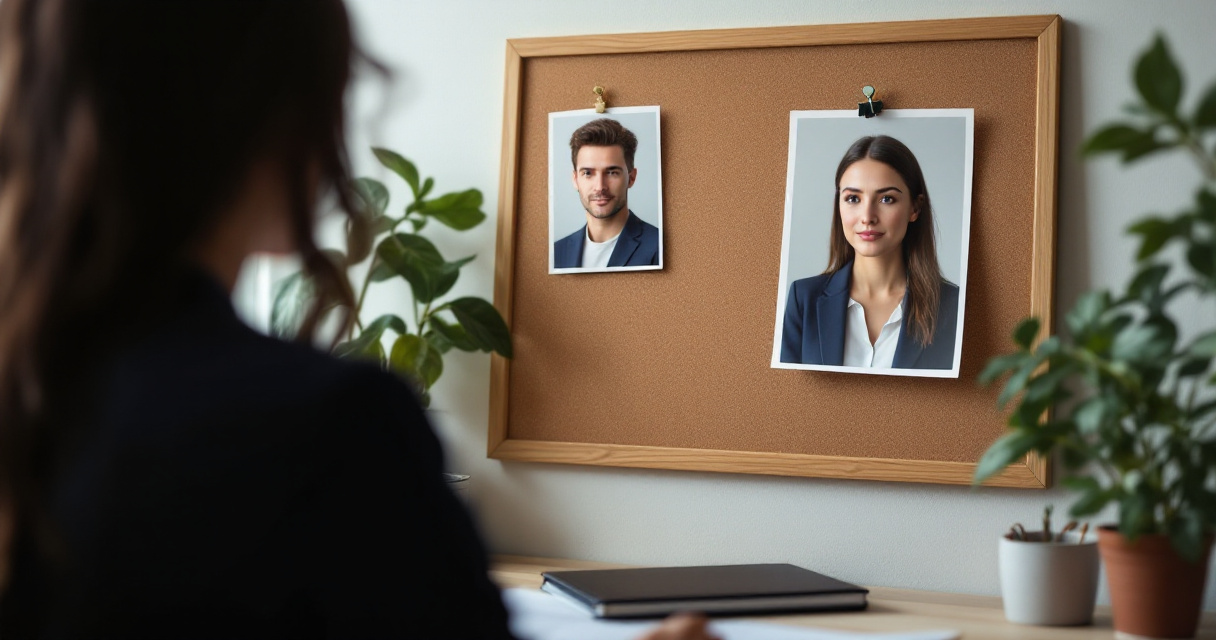
Quick comparison table for MBA-ready image choices
| Element | Strong choice | Risky choice | Why it matters |
|---|---|---|---|
| Background | Plain office, soft gray, natural blur | Luxury office you've never seen, fantasy skyline | Fake-looking settings distract |
| Clothing | Blazer, collared shirt, simple dress top | Over-stylized fashion, formalwear that doesn't fit your brand | Can feel inauthentic |
| Retouching | Light cleanup | Plastic skin, reshaped face, altered features | May look deceptive |
| Expression | Calm, confident smile | Extreme grin or model pose | Feels less professional |
| Cropping | Head and shoulders | Full body or too tight on face | Hurts usability across platforms |
The strongest images usually share four traits:
- Current resemblance: your hair, age, face shape, and skin tone should match real life.
- Business relevance: dress for consulting, finance, tech, healthcare, or your target path.
- Moderate polish: improve lighting and sharpness, but keep natural texture.
- Platform flexibility: the image should work on school systems and LinkedIn alike.
If you're using The Looktara Lens, treat it like a professional enhancement tool, not a character generator. Upload recent photos with consistent lighting, and reject outputs that make you look noticeably younger, slimmer, or different.
Rule of thumb: If a classmate from work would hesitate before recognizing you, the edit went too far.
The details that make an AI headshot feel real
Tiny details often determine whether a photo looks trustworthy. Watch for uneven earrings, warped collars, mismatched teeth, strange hands near the frame, or blurry hair edges. These are common AI artifacts even in otherwise strong outputs.
You should also match the style to your career story. A private equity applicant may want a darker, formal look. A product manager or entrepreneur can often use softer, friendlier lighting. If you are building a broader admissions brand, a clean pitch deck slide AI generator for founder storytelling can support the same polished tone across presentations and interviews.
Common mistakes that can hurt your MBA application image
Most AI headshot mistakes come from trying too hard. Admissions readers do not need a magazine cover. They need a professional image that supports credibility.
Here are the biggest errors to avoid:
- Over-editing facial features so your jawline, nose, eyes, or skin no longer look natural
- Using corporate clichés like fake boardrooms, dramatic skyline windows, or luxury offices
- Picking the wrong outfit for your target role, such as a tuxedo, partywear, or startup hoodie when you're applying from banking
- Ignoring cultural and skin-tone accuracy, which can happen when AI shifts undertones or hair texture
- Submitting an image older than your current appearance, even if it looks flattering
Another issue is inconsistency. If your application photo, LinkedIn photo, and interview appearance all feel different, people notice. That doesn't mean every image must be identical, but they should look like the same person in the same stage of life.
A practical fix is to create one strong visual standard, then use related branding assets only where needed. For example, applicants building side projects or business school clubs may also need a clean logo AI generator for personal brand projects or a website hero image generator for portfolio pages. Keep the style coordinated, not copy-pasted.
A simple self-check before you upload
- Compare the AI headshot with a candid photo taken this month
- Ask two people who know you well if it looks accurate
- Zoom in for artifacts around hair, glasses, and teeth
- Check that your clothes fit the story your resume tells
- Save a high-resolution version and a square crop
If you need to explain that your photo is "AI, but still basically me," it's probably too edited.
Should you tell schools the photo was AI-generated
In most cases, the better question is not disclosure, it's accuracy. There is no universal rule in the research data saying MBA programs ban AI-enhanced headshots. What matters is that the image is not deceptive.
If a school gives specific image rules, follow them exactly. If it asks for a simple passport-style or ID-style photo, use that instead of a stylized AI portrait. When no rule is given, choose the most realistic version available.
How to create an MBA-ready AI headshot step by step
A good result starts before generation. The better your source images, the less correction you need later.
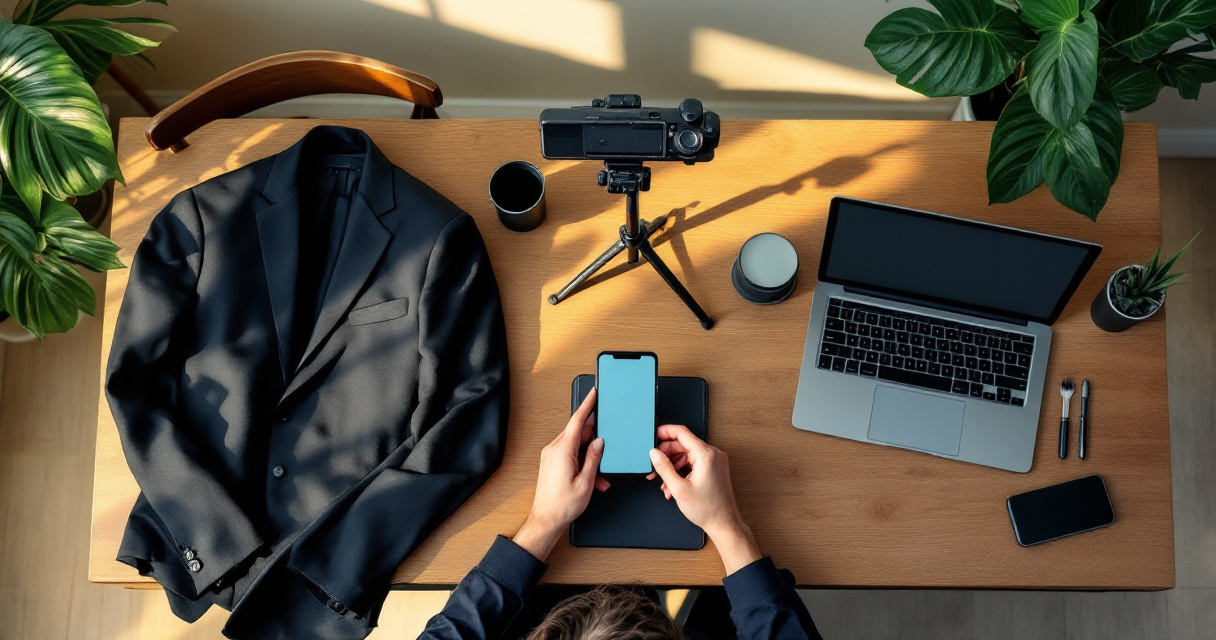
Workflow for a credible MBA application headshot
- Collect 8 to 15 recent photos taken in the last year, ideally with natural light and no heavy filters.
- Use consistent source material with your current hairstyle, glasses, and facial hair.
- Choose conservative wardrobe options, such as a blazer, button-down, knit top, or simple dress shirt.
- Generate several styles, but only keep those with realistic lighting and clean edges.
- Review on multiple screens because skin texture and artifacts often show up differently on phones and laptops.
- Test for recognition by showing the image to trusted colleagues or friends.
- Use one final version across key platforms unless a school requests a different crop or format.
The The Looktara Lens can speed up this process, especially if you need a polished result for school profiles, recruiting prep, and networking updates in the same week. Just remember that speed should not replace review.
You can also think beyond the application itself. MBA candidates often publish ideas, join clubs, or share recruiting updates, so tools like a quote post AI generator for professional thought leadership or a YouTube thumbnail AI generator for personal content projects may become useful later.
Best input photo checklist
| Source photo factor | Use it | Skip it |
|---|---|---|
| Lighting | Window light or evenly lit indoor shot | Harsh shadows or nightclub lighting |
| Camera angle | Eye level | Extreme high or low angle |
| Expression | Natural smile or neutral confidence | Duck face, exaggerated pose |
| Background | Plain wall or uncluttered room | Busy room with many people |
| Editing | Unfiltered original | Beauty-filtered selfie |
The point is not perfection. You want a photo that removes friction, so reviewers focus on your candidacy, not your image.
When a traditional photographer is still the better option
Choose a real photographer if you need school-specific formal shots, have highly textured hair or accessories that AI keeps distorting, or want full control over posture and wardrobe. AI is convenient, but it still struggles with nuance in some cases.
A hybrid approach often works best: generate options first, then compare them against one professionally taken image if you have access to both.
What to expect next as AI headshots become normal in admissions and recruiting
The current market is crowded, and competitor pages are increasingly centered on speed, realism, and volume rather than use-case guidance. That creates room for smarter applicant behavior in 2026 and beyond.
Here's where things are heading:
- more realistic skin and fabric rendering from newer image models
- better consistency across multiple professional assets, not just one headshot
- higher expectations from recruiters and schools that your image matches your live appearance
- more demand for multi-platform branding, from LinkedIn to founder decks to personal sites
That last point matters. MBA applicants now act more like micro-brands than applicants from a decade ago. Your headshot may connect to LinkedIn, a startup portfolio, a side-project page, or media content. If you're expanding that presence, assets like a shorts thumbnail AI generator for video projects can help keep your visuals aligned.
What to expect in 2027: AI headshots will likely become less controversial and more invisible, because the best ones won't look "AI-made" at all. The real differentiator will be trust, consistency, and good judgment.
That means your advantage won't come from using AI. It will come from using it carefully.
The standard that probably won't change
Even as tools improve, business schools will still respond best to the same core signal: professional authenticity. A polished image helps, but substance carries the application. Your headshot should support your story, not compete with it.
Conclusion
An AI headshot for an MBA application can be a smart move if it looks real, recent, and professionally appropriate. Keep the background simple, the retouching light, and the resemblance strong. Before you upload anything, compare it to how you actually show up in class visits, interviews, and LinkedIn.
If you want a faster way to create polished options, start with The Looktara Lens. Then narrow your choices using the checklist in this guide, ask for honest feedback, and publish one version that works across your application and networking profiles. Your next step is simple: generate a few realistic candidates, reject anything that looks artificial, and choose the photo that makes you look credible from the first glance.
Generated by EarlySEO.com