
Your UX portfolio might be polished, but if your profile photo looks cropped from a wedding or blurred from a webcam, people notice. Recruiters, clients, and startup founders often meet your face before they meet your work, on LinkedIn, portfolio sites, pitch decks, and speaker bios. That's why many designers now use AI headshots to get a cleaner, more professional image fast. Using The Looktara Lens, UX designers can create profile photos that match their personal brand without booking a full studio session. The search field is crowded, with about 360,000 results for this topic based on recent SERP data, so standing out takes more than just "looking professional." You need a headshot that feels credible, modern, and unmistakably like you.
Why AI headshots matter more for UX designers than most professionals
UX designers sit in a strange middle ground: you need corporate credibility, but you also need creative personality. A stiff finance-style portrait can make you look generic, while an overly stylized image can make hiring managers question your judgment. AI headshots work well here because they can help you tune the balance.
A good UX headshot should signal clarity, trust, and taste, not just attractiveness.
For 2026, that balance matters across several touchpoints:
- LinkedIn profiles
- Portfolio about pages
- Case study author bios
- conference speaker pages
- startup team slides
- freelance proposal decks
That last point gets missed a lot. If you pitch product thinking to clients, your image becomes part of your design communication. A polished portrait can strengthen first impressions in the same way a clean resume layout does. If you're also updating job-search assets, a dedicated resume headshot AI generator can keep your application materials visually consistent.
Many ranking pages for this topic focus on speed and glamour. That's useful, but UX designers need something narrower: images that look believable in professional product spaces. Your goal isn't maximum polish. Your goal is trustworthy polish.
The real use cases beyond LinkedIn
A UX designer's headshot now travels across more formats than a standard corporate profile picture. If you publish thought leadership, appear on webinars, or share design takes on social media, one image often gets reused everywhere.
You may also need supporting visuals around that headshot, such as a branded LinkedIn post generator for content promotion or a clean pitch deck slide AI generator for founder and freelance presentations. When all of those assets feel visually related, your personal brand looks intentional.
What makes an AI headshot look right for product design roles
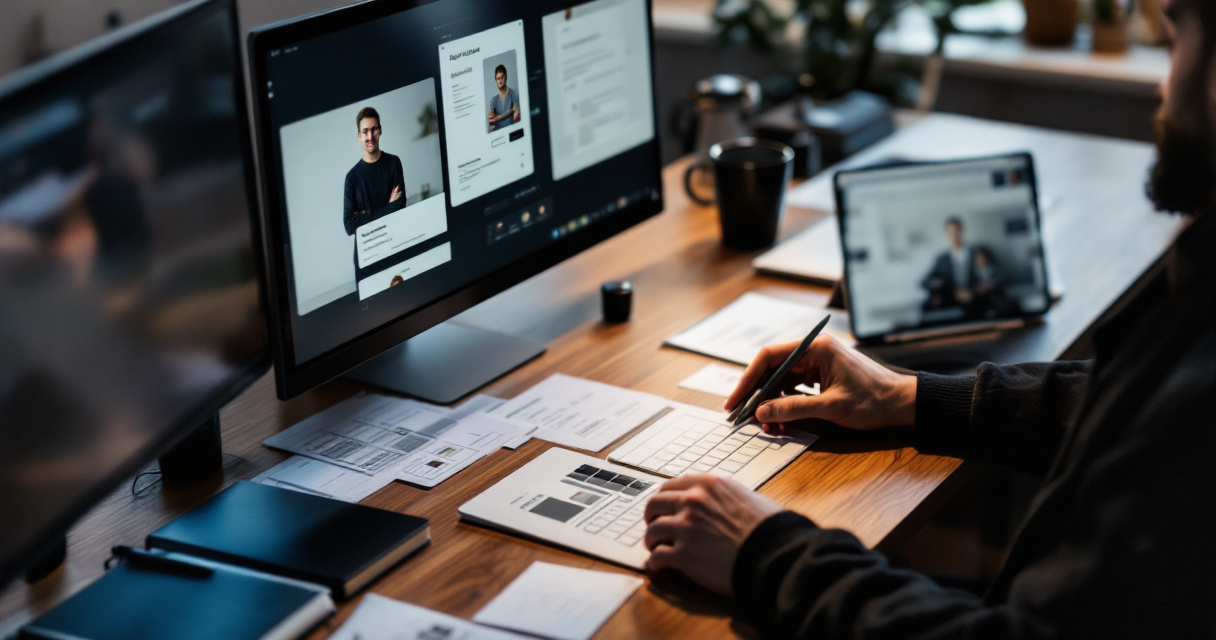
Not every "professional" headshot fits UX. The strongest ones usually reflect the visual language of tech: simple framing, natural expression, neutral styling, and enough warmth to feel collaborative.
Headshot traits that fit UX roles best
| Element | Best choice for UX designers | What to avoid |
|---|---|---|
| Expression | Relaxed, alert, approachable | Big sales smile or blank stare |
| Background | Soft neutral, subtle office, muted studio | Busy city scenes or fantasy blur |
| Clothing | Clean layers, simple tops, smart casual | Formalwear that feels forced |
| Retouching | Light skin cleanup, realistic detail | Plastic skin, sharpened eyes, fake symmetry |
| Framing | Head and shoulders, straight posture | Extreme close-up or dramatic angle |
Design leaders often judge visual choices quickly. If your image looks overprocessed, they may not say it out loud, but they'll feel the mismatch. That's especially true when your portfolio itself argues for clarity, accessibility, and user trust.
If you design user-centered products, your own image should also feel user-centered: easy to read, honest, and appropriate to context.
The best prompts and settings are usually the least flashy. Aim for natural lighting, moderate contrast, realistic skin texture, and camera angles close to what a photographer would actually shoot.
Style choices that match common UX career paths
Your ideal image changes slightly by role:
- Enterprise UX designer: cleaner styling, neutral background, more formal top.
- Startup product designer: softer casual look, brighter background, a bit more personality.
- Freelance UX consultant: approachable but polished, especially if you sell strategy.
- UX researcher: calm, credible, less fashion-forward, more grounded.
- Design leader: confident eye line, tidy composition, understated authority.
If you're building a broader online brand, you might also pair your headshot with a custom website hero image generator so your portfolio homepage and profile photo feel like part of one system.
How to generate an AI headshot that still looks like you
The biggest fear around AI portraits is simple: Will this look fake? That concern is valid. A strong result depends less on magic and more on the inputs you provide.
Start with source images that show your real face clearly. Use several photos with different lighting and angles, but keep hair, facial hair, and glasses close to your current look. If you rarely wear a blazer, don't suddenly generate one unless the target context truly needs it.
A simple workflow UX designers can follow
- Pick 10 to 20 recent photos with sharp facial detail.
- Remove heavily filtered selfies and low-light webcam shots.
- Decide the exact use case first: LinkedIn, portfolio, conference bio, or client proposals.
- Choose a style direction that fits that use case.
- Generate several options, then compare them against your real appearance.
- Ask two peers, "Does this look like me on a good day?"
- Use one final image consistently across channels.
Using The Looktara Lens can make this easier because the process fits people who need polished profile imagery quickly, without spending weeks fiddling with manual edits.
A practical test helps here. Open your chosen headshot next to a candid photo from the last month. If your face shape, smile, age, or skin texture looks noticeably altered, regenerate it. Mild enhancement is fine. Identity drift is not.
Red flags that make recruiters distrust AI portraits
Some AI headshots fail for the same reason bad UI mockups fail: they look polished at first glance, then details break the illusion.
Watch for these issues:
- asymmetrical glasses or earrings
- warped collars or hairlines
- over-whitened teeth
- skin with no visible texture
- backgrounds that don't match the lighting on your face
- eyes that look too bright or unfocused
If you share work publicly, consistency matters after the headshot too. A matching visual identity across posts and thumbnails can help, especially if you publish portfolio walkthroughs or talks using a YouTube thumbnail AI generator for design content or short-form clips with a shorts thumbnail AI generator.
Where UX designers should use AI headshots, and where they should be careful
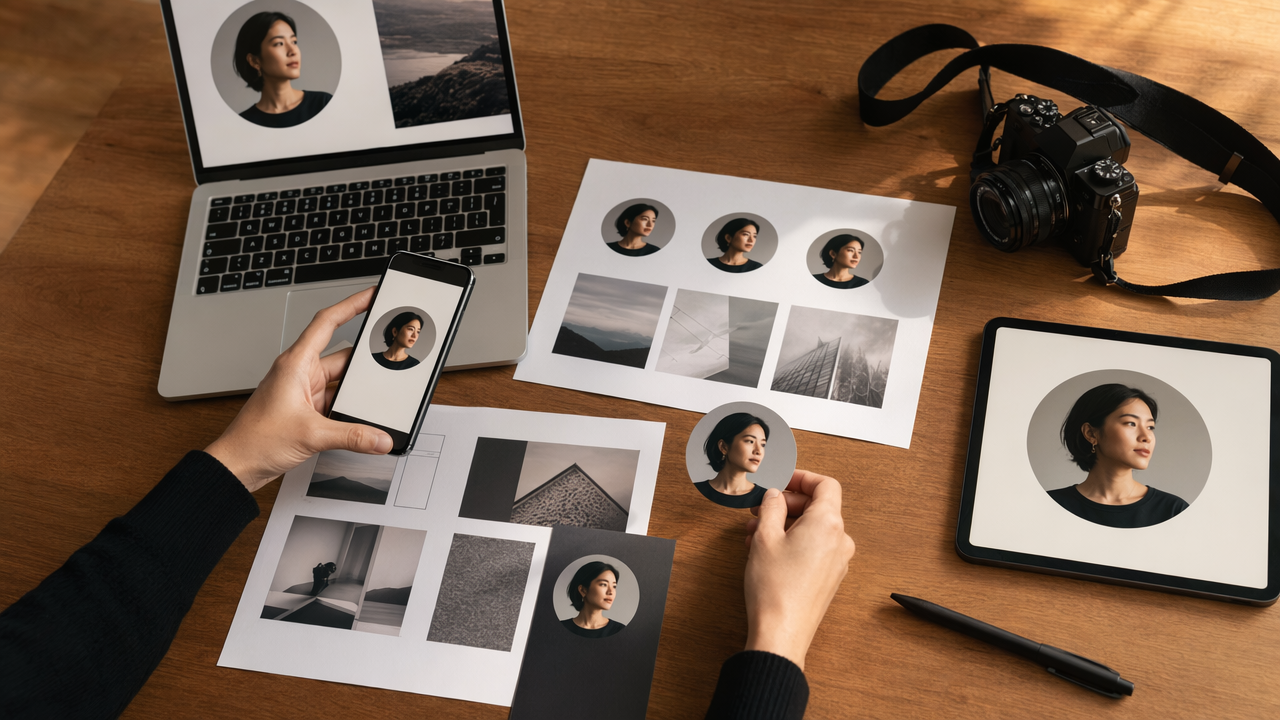
An AI headshot can absolutely work for professional identity, but not every context has the same tolerance for enhancement. For most UX designers, the safest uses are public-facing profile spots where clarity matters more than documentary precision.
Best-fit placements for AI headshots
- LinkedIn profile photo
- portfolio homepage
- about page bio
- speaking engagement pages
- newsletter author profile
- community directory listings
More caution is smart in situations where exact likeness matters more, such as ID verification workflows or formal documentation. That sounds obvious, but some people reuse the same image everywhere.
Quick decision guide by channel
| Channel | AI headshot fit | Why |
|---|---|---|
| High | Professional first impression matters most | |
| Portfolio site | High | Brand consistency and clarity help |
| Pitch deck bio slide | High | Founders and clients want a polished intro |
| Resume PDF | Medium to high | Fine if realistic and current |
| Government or ID documents | Low | Exact representation rules apply |
| Dating apps | Medium | Authenticity matters more than polish |
For freelancers and consultants, the smartest move is often cross-channel consistency. Your portrait, bio cards, and brand visuals should feel related. If you're creating supporting promo materials, a landing page banner AI generator for service pages can keep the same visual tone.
The mistake to avoid is using one hyper-retouched AI portrait everywhere while your webcam, social content, and real-life presence look very different. That gap creates friction. In UX terms, it's a trust bug.
What hiring managers and clients are really judging
Most people aren't trying to detect whether your image used AI. They're judging three simpler things:
- Do you look current?
- Do you look credible?
- Do you look like someone they'd trust in meetings?
That's why subtle wins. A believable AI headshot usually performs better than an obviously "perfect" one.
What to expect from AI headshots for designers in 2027
AI-generated portraits are getting better at realism, but expectations are also rising. In 2027, the likely shift won't just be higher image quality. It'll be higher scrutiny around authenticity, bias, and visual sameness.
Designers should expect three changes:
- More personalized outputs: better alignment with age, skin texture, and natural expression.
- Stronger brand matching: tools will likely connect headshots with broader personal-brand assets.
- More skepticism about over-editing: audiences may prefer believable portraits over glossy ones.
That last trend matters most for UX professionals. Product design already values transparency, inclusive thinking, and trust. Your public image will probably be judged through that same lens.
The The Looktara Lens platform fits that direction well because AI imagery is rarely just one file anymore. Designers often need a full set of assets, from profile pictures to speaking promos and social posts. If you publish insights regularly, a visual toolset that extends beyond the headshot is more useful than a one-off generator.
The future of AI headshots isn't "more perfect faces." It's more believable, context-aware images that match the rest of your professional identity.
That means your best long-term move is simple: choose an image that still feels true six months from now, not just impressive for ten seconds today.
A practical standard for staying current
Review your headshot every 6 to 12 months, or sooner if your hair, glasses, role, or brand style changes. UX careers move fast, and your image should keep pace with your current work, not the version of you from two jobs ago.
Conclusion
A strong AI headshot for UX designers should do one job well: make you look like the most credible, current version of yourself. Not a model, not a stock photo founder, and not a different person. Start with clear source images, choose a style that fits your role, and reject anything that feels too polished to be believable.
If you're refreshing your portfolio, LinkedIn, or client-facing brand, try The Looktara Lens as part of a larger visual update. You can pair your new portrait with supporting assets like social graphics, deck visuals, and profile content so everything feels consistent. Then do one final test before publishing: ask a trusted peer if the photo looks like you in a good meeting, on a good day. If the answer is yes, you're ready to ship.
Generated by EarlySEO.com