
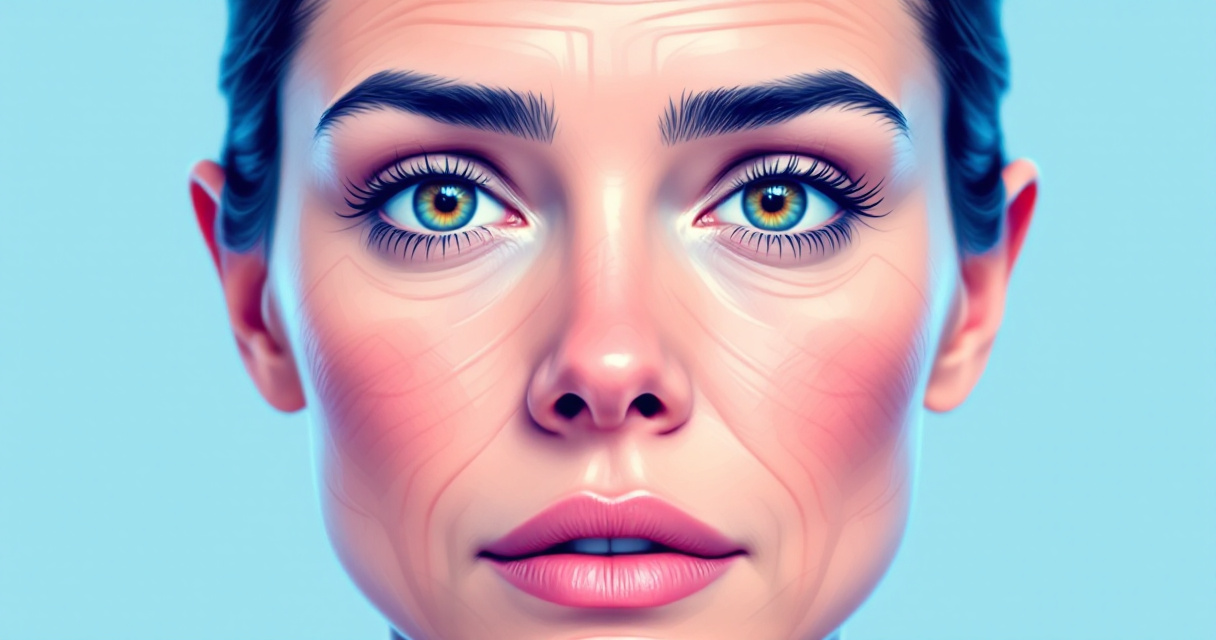
Aging filters used to look fake. Plastic-looking wrinkles, distorted eyes, and cartoon-like gray hair made early tools easy to spot. In 2026, that has changed dramatically. Modern AI headshot generators can simulate subtle skin folds, texture shifts, and age progression with surprising realism.
The science behind it draws from datasets containing thousands of facial images across age groups. Using machine learning models trained on biological aging patterns, these systems replicate details such as crow's feet, nasolabial folds, and skin elasticity changes. Platforms like The Looktara Lens combine these techniques with professional headshot generation, allowing users to produce realistic portraits for resumes, branding, or social profiles while preserving natural facial identity.
Understanding how AI produces believable wrinkles and aging helps you avoid fake-looking filters and create professional images that feel authentic.
What Makes AI Headshot Aging Look Realistic
Artificial intelligence does not randomly draw wrinkles. It models biological aging patterns, also known as senescence, which refers to the gradual deterioration of functional characteristics in living organisms, according to Wikipedia. In facial imagery, this includes changes in skin elasticity, pigmentation, and muscle movement patterns.
Recent generative AI models analyze large facial datasets categorized by age ranges. By comparing the structural differences between younger and older faces, the system learns where wrinkles form naturally and how skin texture changes over time.
Realistic aging relies less on adding wrinkles and more on modifying skin texture, bone structure perception, and lighting interaction.
Instead of applying a simple filter, modern headshot generators adjust dozens of variables at once, including skin thickness, pore visibility, and subtle color changes around the eyes and cheeks.
Common Facial Features AI Adjusts During Aging
- Fine lines around the eyes (crow's feet)
- Nasolabial folds between nose and mouth
- Skin texture roughness and pore visibility
- Slight facial sagging along the jawline
- Hair color changes such as gray strands
- Under-eye volume reduction
These adjustments help AI maintain facial identity while simulating age progression.
Machine Learning Models Behind Age Progression
Most modern headshot aging systems use Generative Adversarial Networks (GANs) or diffusion models. These architectures compare generated images against real facial datasets to improve realism.
Researchers studying facial aging synthesis found that GAN-based models significantly improved wrinkle realism compared to earlier image editing methods. Academic studies indexed by OpenAlex show these models can preserve identity while altering age features with high visual accuracy.
Key Differences Between AI Aging Techniques
| Technology | How It Works | Realism Level | Typical Use Case |
|---|---|---|---|
| Traditional photo filters | Adds static wrinkle overlays | Low | Social media filters |
| GAN-based aging models | Learns age differences from datasets | High | Headshots and portraits |
| Diffusion-based generators | Builds image details step-by-step | Very high | Professional image generation |
Diffusion models gained traction after 2023 because they generate fine skin details such as uneven wrinkles and natural lighting interactions.
Professional tools like the AI resume headshot generator use these modern methods to produce realistic portraits suitable for LinkedIn and career profiles.
Why Identity Preservation Matters
One of the hardest problems in AI aging is maintaining recognizable facial identity. Advanced systems track landmarks like eye spacing, jaw structure, and nose shape while modifying age indicators.
Without this step, AI can accidentally produce a different-looking person instead of an older version of you.
Where AI Places Wrinkles for Natural-Looking Results
Human wrinkles follow predictable patterns based on facial muscles and skin movement. AI models replicate these anatomical patterns rather than placing lines randomly.
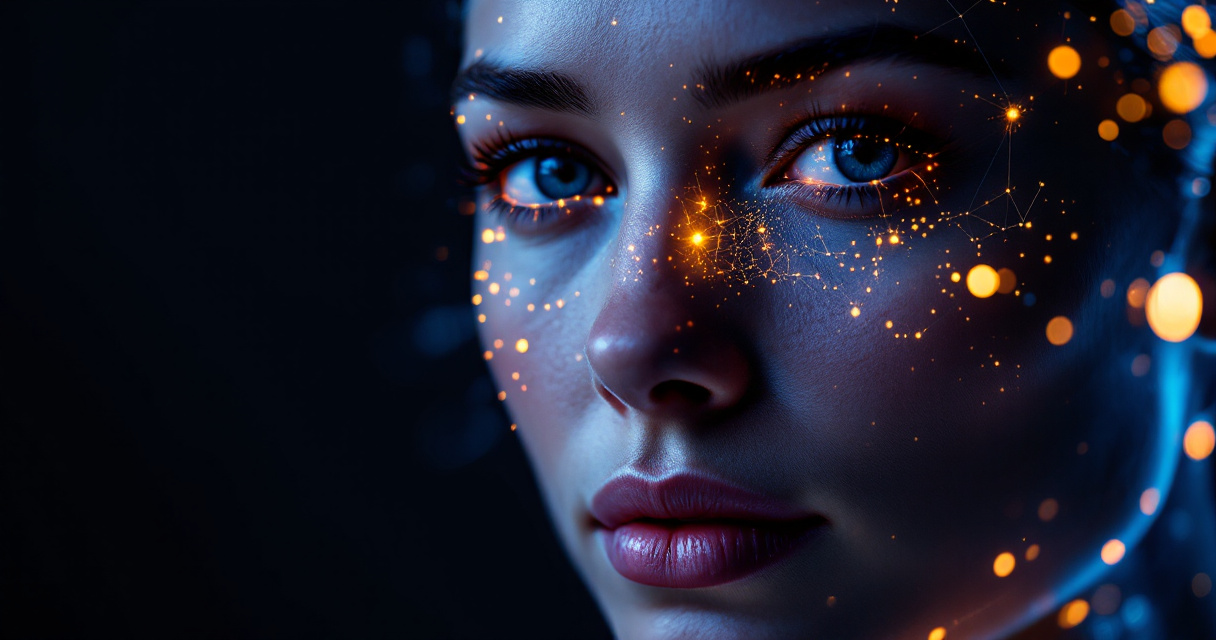
Dermatology research shows that repeated muscle contractions cause many visible facial lines. Smiling, squinting, and frowning gradually shape wrinkle patterns across decades.
Most Common Wrinkle Zones AI Simulates
- Forehead lines from repeated eyebrow movement
- Crow's feet near the outer eye corners
- Nasolabial folds running from nose to mouth
- Marionette lines near the chin
- Under-eye creases linked to volume loss
Accurate placement of these lines dramatically improves realism. Poorly trained AI often exaggerates them or places them symmetrically, which looks unnatural.
Why Texture and Lighting Matter More Than Wrinkles
Many people think wrinkles alone create an aged look. In reality, skin texture and lighting interactions influence perceived age even more.
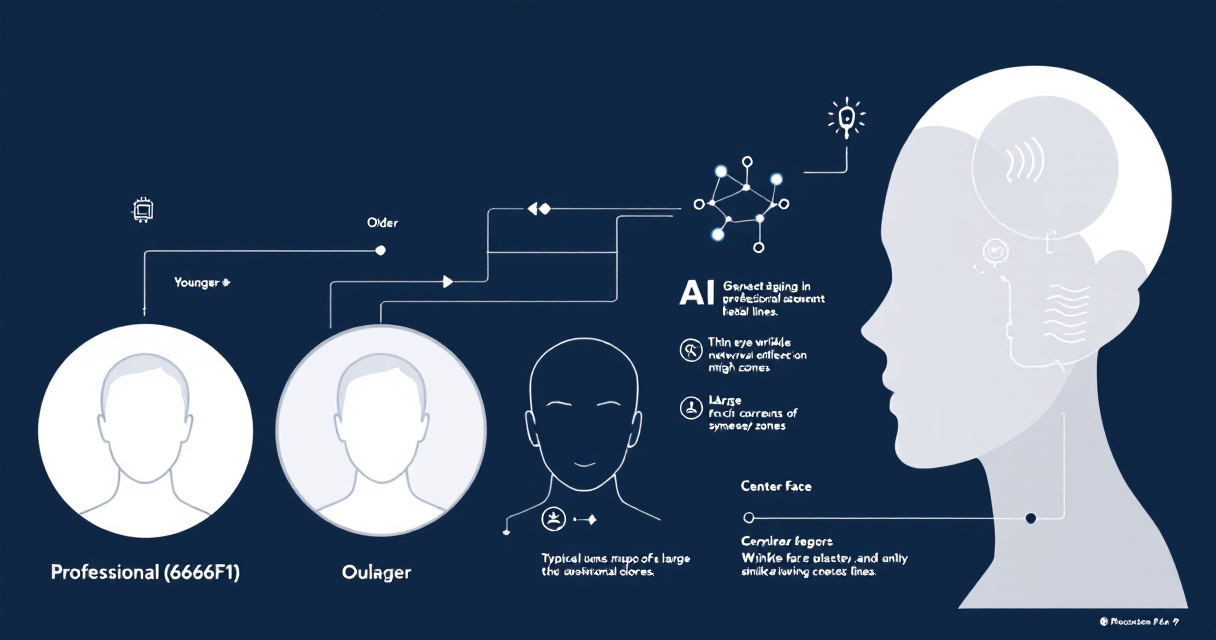
Modern AI headshot tools adjust micro-textures across the skin surface. This includes slight roughness, pigment variation, and reduced reflectivity. These small changes make portraits appear older without overdoing wrinkle depth.
Creators designing profile images or social visuals often combine headshot generators with other visual tools such as a YouTube thumbnail AI generator for Shopify creators or a LinkedIn post image generator to maintain consistent branding across platforms.
Visual Elements That Increase Realism
- Uneven wrinkle depth rather than perfectly straight lines
- Subtle skin discoloration or freckles
- Slightly reduced skin brightness
- Natural shadow patterns around folds
These features mimic how real skin interacts with light.
How Professionals Use AI Aging for Headshots
Realistic aging tools are no longer limited to entertainment. Professionals now use them for branding, marketing, and storytelling.

Career consultants sometimes generate slightly more mature headshots for professionals who want a leadership-focused appearance. Meanwhile, content creators use age simulations for storytelling or educational content.
Common Real-World Uses
- Career profile headshots
- Creative storytelling projects
- Historical reconstruction and visualization
- Marketing campaigns with age progression themes
- Film and media pre-visualization
For example, a personal brand might generate multiple visual assets including headshots, banners, and promotional images using tools like a TikTok banner AI generator for creators or a Shopify website hero image generator.
The ability to create consistent imagery quickly makes AI especially appealing for freelancers and entrepreneurs.
Video Example: Understanding Aging Details in Portraits
The following analysis shows how artists study facial aging patterns when recreating historical portraits.
Portrait Reconstruction and Aging Study
Artists and AI systems use similar observation techniques, studying skin folds, bone structure, and historical portraits to estimate realistic aging features.
Common Mistakes That Make AI Aging Look Fake
Even modern AI systems can produce unrealistic results when poorly trained datasets or aggressive settings are used.
The biggest giveaway of artificial aging is exaggerated wrinkle contrast combined with smooth surrounding skin.
Recognizing these issues helps users choose better tools and prompts.
Signs of Unrealistic AI Aging
- Wrinkles that appear too dark or deep
- Perfectly symmetrical aging patterns
- Skin that looks smooth except for wrinkle lines
- Hair turning completely gray instantly
- Facial proportions changing drastically
Better tools balance subtle texture changes with gradual aging features.
Platforms such as The Looktara Lens focus on identity preservation and natural lighting adjustments, which helps headshots remain believable.
What to Expect from AI Headshot Aging by 2027
AI portrait generation continues to improve rapidly. Several developments are already emerging in research labs and commercial tools.
Upcoming Trends in AI Facial Aging
| Trend | Expected Impact |
|---|---|
| 3D facial aging models | More accurate wrinkle depth and skin sagging |
| Medical dataset training | Improved biological realism |
| Dynamic aging sliders | Real-time age simulation in videos |
| Personalized skin modeling | AI learns your real aging pattern |
Companies working in generative imaging are moving toward personalized aging models trained from a user's photo history. Instead of generic aging predictions, future systems may estimate how you specifically might age.
This approach could also improve realism for professional headshots, marketing visuals, and digital identity tools.
Art Study Example of Aging Skin
Understanding aging skin has long been part of traditional art training as well.
Portrait Aging Tutorial
Artists focus on subtle skin folds, texture, and shading. Modern AI systems follow similar visual principles, but at machine scale.
Conclusion
Realistic AI aging in headshots comes down to subtlety. The best systems do not simply add wrinkles. They model biological aging patterns, adjust skin texture, and maintain facial identity so the final portrait still looks like you.
As generative models continue to improve, realistic age progression will become even more precise, especially with personalized datasets and 3D facial modeling.
If you want professional portraits that balance realism with modern AI generation, try creating your own images with The Looktara Lens. The platform helps produce polished headshots and branded visuals quickly, giving professionals and creators an easy way to build authentic-looking profiles and content.
Start experimenting with realistic AI headshots today and see how subtle aging effects can add depth and credibility to your visual identity.