
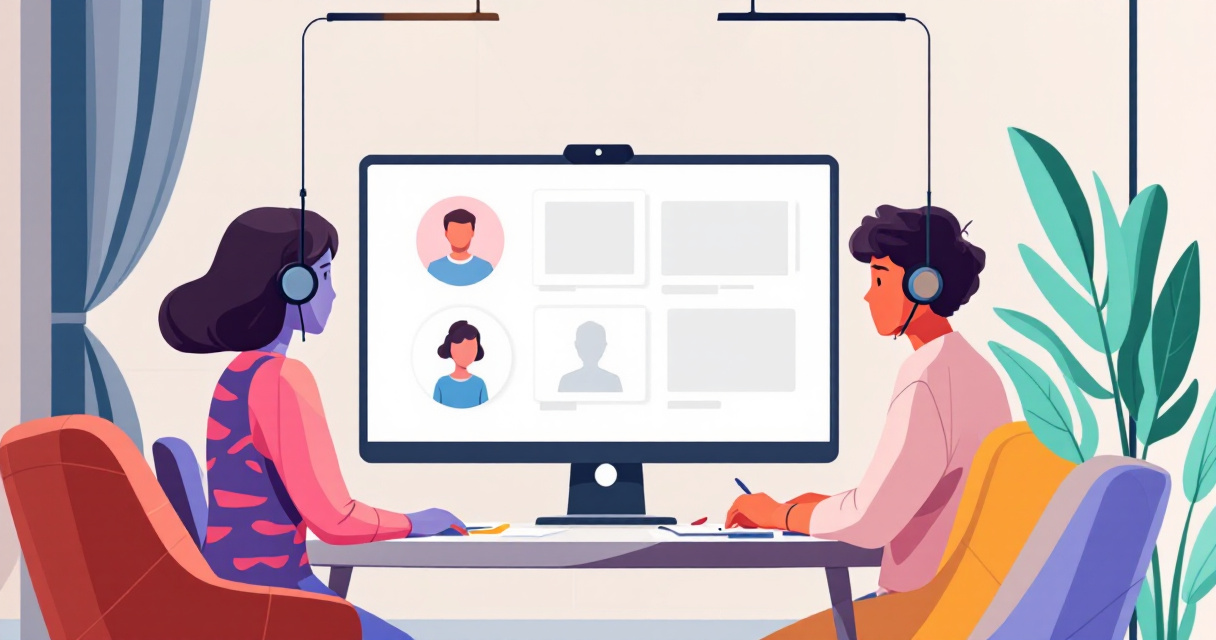
AI Headshots for Zoom Meetings: How to Create Professional Backgrounds That Get You Noticed in 2026
A Stanford study found that 73% of hiring managers form opinions about candidates within the first seven seconds of a video call. Your background and headshot quality play a bigger role than your resume in that snap judgment. Remote work isn't going anywhere; Zoom Workplace now supports over 300 million daily meeting participants, making your virtual presence as critical as your in-person handshake once was.
The good news? You don't need expensive photography equipment or studio time to look polished on camera. AI-powered tools like The Looktara Lens have made professional-grade headshots and Zoom backgrounds accessible to anyone with a smartphone. Whether you're prepping for a job interview, pitching investors, or simply want to stop cringing at your own video feed, this guide covers everything you need to know about creating AI headshots that actually work for Zoom meetings.
Why Your Zoom Background Matters More Than You Think
First impressions happen fast on video calls. Research from the University of Glasgow shows that viewers make trustworthiness judgments in just 33 milliseconds when seeing a face. Your background either supports that impression or sabotages it.
Key insight: A cluttered or unprofessional background can reduce perceived competence by up to 30%, according to workplace psychology studies.
The shift to hybrid work has made video presence a career skill. Remote workers update their professional profiles more frequently than office-based colleagues, and LinkedIn reports that profiles with professional headshots receive 21 times more views. Your Zoom setup is now an extension of your personal brand.
The Psychology Behind Virtual Backgrounds
Human brains are wired to scan for environmental cues. When someone sees a bookshelf behind you, they assume you're educated. A messy kitchen signals disorganization, fair or not. Virtual backgrounds solve this by giving you control over the narrative.
What different backgrounds communicate:
- Neutral office settings: Professionalism, stability
- Home office with plants: Creativity, warmth
- Blurred backgrounds: Privacy, focus on you
- Company-branded backgrounds: Team alignment, corporate culture
The problem with generic virtual backgrounds is they often look fake. Green screen bleeding, weird hair artifacts, and obvious stock images can make things worse. AI-generated backgrounds solve this by creating realistic, personalized environments that match your lighting conditions.
Common Zoom Background Mistakes to Avoid
Most people make the same errors when setting up their video presence. Here's what to skip:
- Using overly busy backgrounds that distract from your face
- Mismatched lighting between you and your virtual background
- Low-resolution images that pixelate on larger screens
- Backgrounds that don't match your industry (a beach scene for a law firm partner isn't great)
- Neglecting your headshot while obsessing over the background
Your headshot and background need to work together. A professional AI headshot placed in your company directory means nothing if you show up to calls looking completely different.
How AI Headshot Generators Work for Video Meetings
AI headshot technology has evolved dramatically since 2023. Modern tools use generative adversarial networks (GANs) and diffusion models to create photorealistic images from selfies. The process typically involves uploading 10-20 photos of yourself, which the AI analyzes to understand your facial features, skin tone, and natural expressions.
The Looktara Lens platform uses this approach to generate headshots that look like they came from a professional photo shoot. The AI handles lighting corrections, background removal, and even suggests poses that photograph well on video calls.
AI Headshot Quality Comparison Table
Not all AI headshot tools deliver the same results. Here's how the major options stack up in 2026:
| Feature | Basic Tools | Mid-Tier Platforms | Premium Options (like The Looktara Lens) |
|---|---|---|---|
| Photo input required | 20-30 images | 10-15 images | 5-10 images |
| Generation time | 2-4 hours | 30-60 minutes | 10-30 minutes |
| Background options | Limited | 20-50 presets | Custom AI-generated |
| Zoom-specific optimization | No | Basic | Full integration |
| Resolution output | 1080p | 2K | 4K ready |
| Price range | Free-$15 | $20-50 | $30-100 |
The best AI headshot tools now offer Zoom-specific exports, meaning your headshot is sized and optimized for video meeting platforms automatically.
Step-by-Step: Creating Your AI Headshot
Getting a professional AI headshot takes about 15 minutes when you follow these steps:
- Gather source photos: Collect 8-12 recent photos with varied expressions and angles. Natural lighting works best.
- Choose your platform: Select an AI headshot generator that offers video meeting optimization.
- Upload and wait: The AI processes your photos and generates multiple headshot options.
- Select your favorite: Pick 2-3 headshots that capture your professional persona.
- Download in correct format: Export at 1920x1080 minimum for Zoom compatibility.
- Set as your Zoom profile picture: This displays when your camera is off.
If you're also creating content for other platforms, consider using tools that generate professional resume headshots alongside your Zoom assets.
Building the Perfect Zoom Background with AI
Your background should complement your headshot, not compete with it. AI background generators now create custom environments based on your industry, brand colors, and personal style preferences.
The most effective Zoom backgrounds share these characteristics:
- Depth: Slight blur in the background mimics professional camera bokeh
- Appropriate lighting: Matches the direction of light hitting your face
- Minimal text or logos: Unless you're doing branded company calls
- Neutral color palette: Blues, grays, and warm neutrals photograph best
Pro tip: According to video surveillance research from 2023, cameras perform best when there's clear contrast between the subject and background. Avoid wearing colors that match your virtual background.
Industry-Specific Background Recommendations
Different fields call for different visual approaches. Here's what works:
For job seekers and career professionals:
- Clean office environments with subtle bookshelf elements
- Neutral gray or blue gradients
- Company logo placement if interviewing internally
For entrepreneurs and business owners:
- Branded backgrounds with logo watermarks
- Modern office spaces that suggest growth
- Consider using AI-generated pitch deck visuals that match your background aesthetic
For content creators and influencers:
- Vibrant, personality-driven backgrounds
- Consistent with your other platform branding
- Ring light reflection points that look intentional
For remote workers and freelancers:
- Home office setups that look intentional
- Plants and warm lighting elements
- Professional enough for client calls, casual enough for team standups
Technical Requirements for Zoom Backgrounds
Zoom has specific requirements for virtual backgrounds. Meeting these ensures your AI-generated assets display correctly:
| Specification | Minimum | Recommended |
|---|---|---|
| Image resolution | 1280x720 | 1920x1080 |
| File format | JPG, PNG | PNG (for transparency) |
| File size | Under 5MB | 1-2MB for fast loading |
| Aspect ratio | 16:9 | 16:9 |
| Color depth | 8-bit | 24-bit |
Zoom's built-in background blur uses edge detection that works better with high-contrast clothing. If you're using The Looktara Lens for your headshot, the platform automatically exports in Zoom-compatible formats.
Advanced Techniques: AI Avatars and Video Backgrounds
Static backgrounds are just the beginning. AI video backgrounds and avatar technology have matured significantly, offering new options for frequent video callers.

AI avatars can represent you in low-stakes meetings, though they're best used for pre-recorded content rather than live interactions. The technology works by training a model on video footage of you speaking, then generating new video based on text or audio input.
When to Use AI Avatars vs. Live Video
AI avatars have legitimate uses, but they're not appropriate for every situation:
Good uses for AI avatars:
- Training videos and onboarding content
- Asynchronous updates sent via Loom or similar tools
- Internal announcements when you can't record live
- Social media content creation, similar to AI-generated LinkedIn posts
Stick to live video for:
- Job interviews (always)
- Client negotiations
- Team meetings where interaction is expected
- Any conversation requiring trust-building
The technology is impressive but not undetectable. Using avatars deceptively can damage your credibility permanently.
Video Backgrounds and Animated Elements
Animated Zoom backgrounds add visual interest without being distracting. The best options include:
- Subtle movement like floating particles or gentle lighting shifts
- Looping office environments with realistic window reflections
- Seasonal elements (falling leaves, light snow) for personality
Keep animations slow and minimal. Fast movement triggers the viewer's peripheral attention and makes it harder for them to focus on what you're saying. A good rule: if you notice the animation while talking, it's too much.
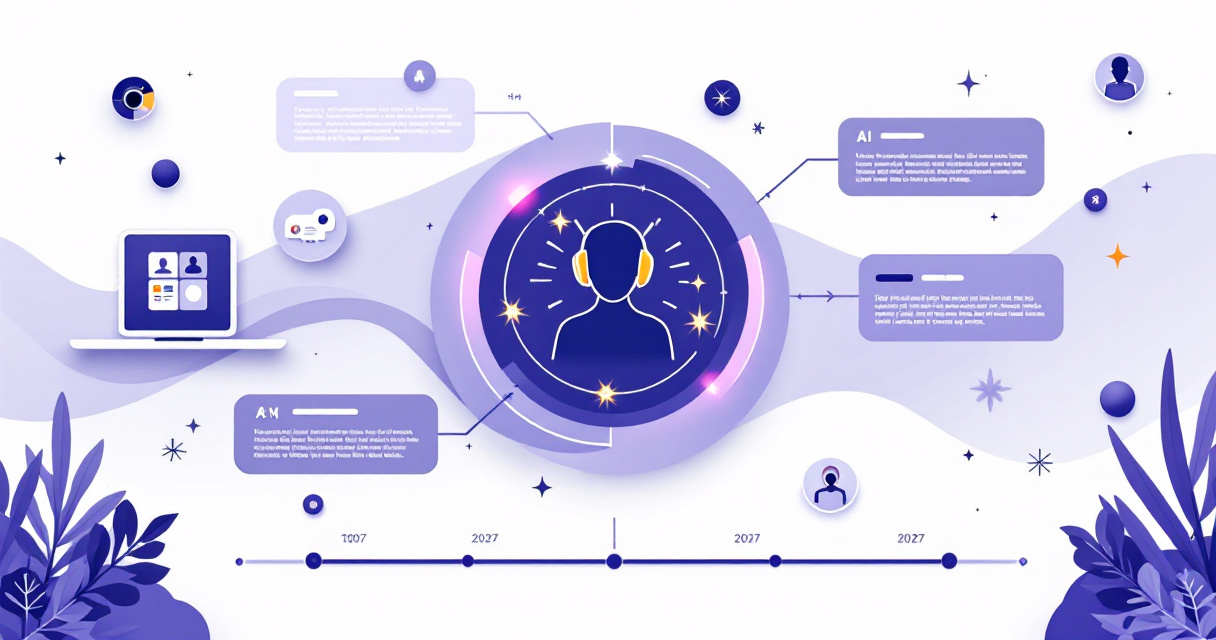
What to Expect in 2027: Emerging Trends
AI video presence technology is advancing rapidly. Here's what's coming:
Real-time lighting matching: AI that adjusts your virtual background lighting to match your actual room conditions, eliminating the fake look entirely.
Biometric optimization: Headshot generators that analyze which facial expressions and angles perform best in video calls specifically, not just static photos.
Platform integration: Native AI headshot generation built into Zoom, Teams, and Google Meet, reducing the need for third-party tools.
AR backgrounds: Augmented reality elements that respond to your movements, creating more immersive meeting experiences.
Content creators are already exploring these tools for YouTube thumbnails and TikTok covers. The same technology will inevitably improve video meeting experiences.
Preparing Your Visual Brand for Future Changes
To stay ahead, focus on building a consistent visual identity across platforms:
- Create a master headshot set with 5-10 AI-generated images in different styles
- Develop a background template that works for Zoom, LinkedIn, and social media
- Document your brand colors for consistent AI generation prompts
- Update quarterly as AI tools improve and your appearance changes
The Looktara Lens and similar platforms make this process straightforward by saving your preferences and generating consistent assets across use cases.
Conclusion
Your Zoom presence is no longer optional; it's professional infrastructure. A polished AI headshot paired with a thoughtful virtual background signals competence before you speak a single word. The tools available in 2026 make this achievable in under an hour, with results that rival expensive photography sessions.
Your action plan for this week:
- Audit your current Zoom setup by recording a test call and watching it back
- Gather 10 recent photos of yourself with good lighting and varied angles
- Generate 3-5 AI headshots using The Looktara Lens or a similar platform
- Create or select a background that matches your industry and personal brand
- Update your Zoom profile picture and virtual background settings
The difference between looking professional and looking unprepared is about 30 minutes of setup time. Given how much rides on video presence these days, that's an investment that pays dividends on every single call.