
A professional photo shouldn't make you look like someone else just to seem confident. For introverts, the best AI portrait prompts create quiet authority: natural eye contact, relaxed posture, soft lighting, and a setting that supports your work. Tools like The Looktara Lens can help you turn a simple selfie into profile-ready imagery without booking a studio, forcing a big smile, or pretending you love being the center of attention. If you're refreshing LinkedIn, a freelance profile, a founder bio, or a dating app, the goal is the same: look approachable, capable, and unmistakably you.
Why introvert-friendly AI portraits need different prompts
Most prompt lists focus on polish: sharp suit, luxury office, cinematic lighting, perfect smile. That can work for some people, but it often feels too loud for introverts who want a professional photo without a performance.
Susan Cain's 2012 nonfiction book Quiet: The Power of Introverts in a World That Can't Stop Talking is summarized as arguing that modern Western culture often misunderstands and undervalues introverts, according to Wikipedia. That idea matters for headshots because many business images still reward extroverted signals: big gestures, bright backdrops, and high-energy expressions.
The best introvert headshot does not hide your personality. It removes visual noise so your calm confidence is easier to see.
Competitor prompt articles in the research data lean heavily on broad categories like "professional headshot," "personal brand shot," "speaker bio photo," and "founder portrait." Useful, yes. But they rarely explain how to make a prompt feel lower pressure, more private, and still credible.
If you also create brand assets around your portrait, pair your image with a consistent profile post using a LinkedIn post AI generator for fitness Shopify brands, even if your niche isn't fitness. The structure can still help you match your photo with a confident caption.
Introvert portrait signals that read as professional
Use prompts that describe presence, not performance. Strong introvert portraits often include:
- Soft but clear eye contact
- Neutral or slight smile
- Relaxed shoulders
- Simple wardrobe in solid colors
- Clean background with limited visual clutter
- Natural light or soft studio light
- Thoughtful expression instead of exaggerated enthusiasm
Avoid asking the AI for "powerful," "dominant," or "celebrity-style" unless that truly fits your brand. Better words include composed, warm, focused, approachable, and quietly confident.
The prompt formula for calm professional headshots
A strong AI portrait prompt works like a creative brief. It tells the model who you are, where the image will be used, how the photo should feel, and what must stay realistic.
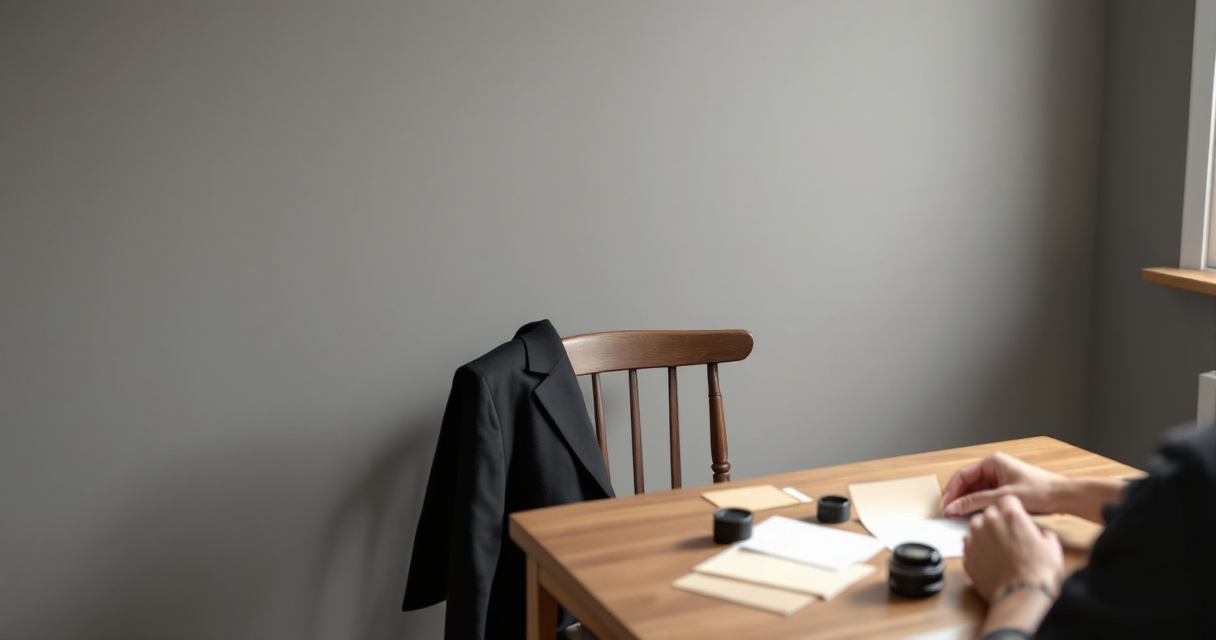
For introverts, the emotional direction matters as much as the camera direction. "Professional portrait" is too vague. "Warm, calm LinkedIn headshot for a remote product manager in natural window light" gives the AI a clearer target.
Write prompts like you're directing a trusted photographer, not commanding a machine.
A simple prompt structure that works across tools
Use this order when writing prompts:
- Use case: LinkedIn, resume, founder bio, portfolio, dating app, speaker page.
- Identity cue: your role, field, or personal brand style.
- Mood: calm, thoughtful, approachable, confident, grounded.
- Setting: home office, neutral studio, library, coworking space, outdoor shade.
- Lighting: soft window light, warm studio light, overcast natural light.
- Wardrobe: smart casual, blazer, knit top, button-down, solid colors.
- Authenticity rule: keep facial features, age, skin texture, and expression natural.
Example base prompt:
"Create a professional LinkedIn headshot from my reference photo. Keep my facial features, age, skin texture, and natural expression accurate. Style me as a thoughtful remote professional in smart casual clothing, seated in a clean home office with soft window light, relaxed shoulders, gentle eye contact, and a calm, approachable mood."
Prompt ingredients by profile goal
| Profile goal | Best mood words | Setting ideas | Avoid |
|---|---|---|---|
| LinkedIn job search | composed, capable, warm | neutral studio, home office | overly glamorous lighting |
| Founder bio | grounded, visionary, calm | modern office, simple workspace | fake luxury boardrooms |
| Freelancer portfolio | creative, focused, approachable | desk setup, soft background | busy props everywhere |
| Creator profile | authentic, relaxed, expressive | textured wall, natural light | influencer clichés |
| Dating app | warm, honest, inviting | cafe, park shade, casual interior | corporate stiffness |
The Looktara Lens platform is especially useful when you want several versions of the same calm identity: one for LinkedIn, one for a portfolio, and one for social media. Keep the face consistent, then vary wardrobe, background, and crop.
Ready-to-use AI portrait prompts for introverts
These prompts are designed for people who want professional photos without looking overproduced. Replace the bracketed details with your own role, style, and platform.
The key is restraint. Don't ask for every flattering effect at once. Too many style instructions can create an image that looks artificial, especially around eyes, teeth, hair, hands, and clothing texture.
LinkedIn and resume headshot prompts
Prompt 1: Calm LinkedIn professional
"Using my reference selfie, create a realistic professional LinkedIn headshot for a [job title]. Keep my face, age, hair, and skin texture accurate. Use soft studio lighting, a neutral background, relaxed shoulders, direct but gentle eye contact, and a slight natural smile. Outfit: [blazer, knit top, button-down, or smart casual]. Mood: calm, competent, approachable."
Prompt 2: Quiet job seeker portrait
"Create a professional resume headshot from my photo. Make the image clean, realistic, and suitable for recruiters. Use natural window light, simple background blur, neat grooming, and a composed expression. Do not change my face shape, age, or identity."
If you need a more direct resume-focused output, try a resume headshot AI generator to build a profile image that feels more formal than social content.
Founder, freelancer, and creator prompts
Prompt 3: Introvert founder portrait
"Create a realistic founder portrait from my reference image. I should look thoughtful, grounded, and trustworthy, not flashy. Place me in a simple modern workspace with soft side lighting, minimal background details, natural posture, and a calm expression. Wardrobe: [simple blazer or elevated casual outfit]. Keep the final image suitable for a website bio and pitch deck."
Prompt 4: Freelance expert profile
"Generate a professional portrait for a freelance [designer, writer, coach, developer]. Keep my facial features true to the reference photo. Use warm natural light, a tidy creative workspace, relaxed pose, and an expression that feels focused and easy to talk to."
For founders building investor or client materials, your portrait should match the rest of your visuals. A pitch deck slide AI generator can help keep your headshot, bio slide, and brand story aligned.
Dating app and social profile prompts
Prompt 5: Authentic dating profile photo
"Create a realistic dating app portrait from my selfie. Keep my face and body type accurate. Use soft outdoor light, casual clothing, natural posture, and a warm subtle smile. The image should feel honest, relaxed, and friendly, not corporate or heavily edited."
Prompt 6: Low-key creator portrait
"Turn my reference photo into a natural personal brand portrait for social media. Keep my identity unchanged. Use a calm indoor setting, soft background texture, gentle contrast, and a thoughtful expression. Style should feel creative, mature, and real, with no exaggerated beauty retouching."
- Use square crops for Instagram and dating apps.
- Use vertical crops for TikTok, Shorts, and mobile-first bios.
- Use horizontal crops for website hero sections and banners.
Need a matching site image after your portrait is done? A website hero AI generator can help turn the same calm visual direction into a landing page asset.
How to keep AI portraits authentic, not uncanny
The biggest objection to AI headshots is fair: many look fake. Introverts may notice this even more because an over-edited face can feel socially uncomfortable, like wearing a mask to a networking event.
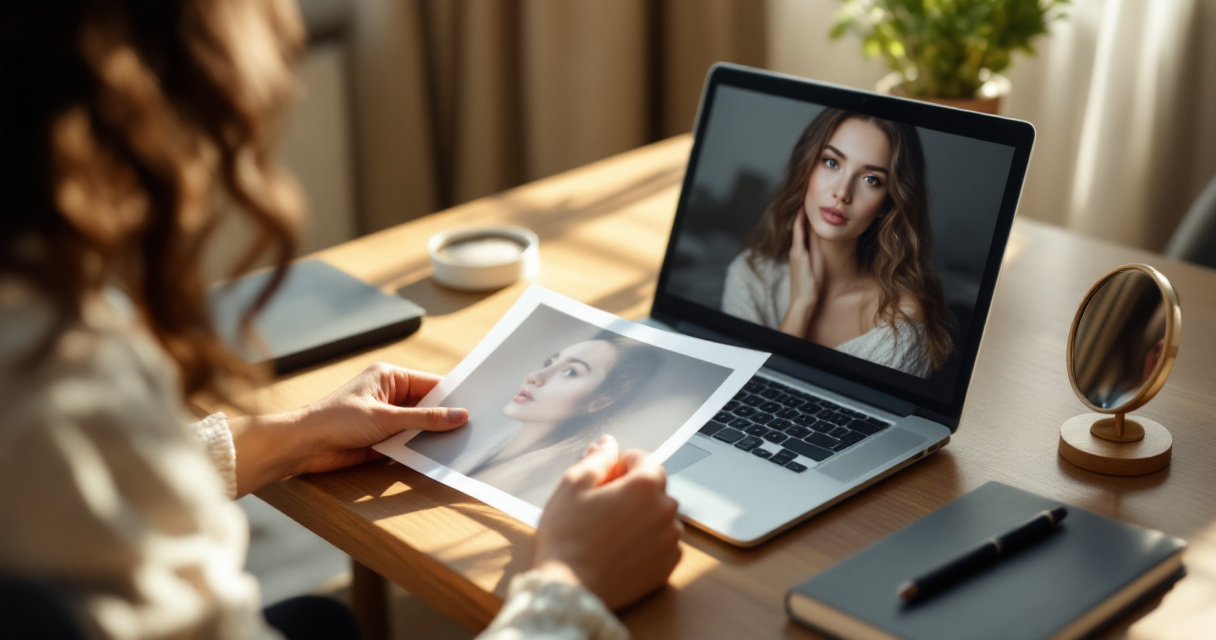
Authenticity comes from constraints. Tell the tool what not to change. The more personal the use case, the more careful you should be with realism.
Negative prompts that protect your real appearance
Add a short "do not" line to every prompt:
- Do not change my facial structure.
- Do not make me look younger than I am.
- Do not create plastic skin or perfect teeth.
- Do not add heavy makeup unless requested.
- Do not change my ethnicity, body type, or hair texture.
- Do not create an exaggerated smile.
- Do not use luxury settings that feel fake for my work.
A good AI portrait should pass the "first meeting test." If someone meets you on a video call after seeing the photo, they should recognize you right away.
Editing checklist before you upload the image
Before posting your new portrait, zoom in and check:
- Eyes are aligned and natural.
- Teeth, ears, glasses, and hairline look believable.
- Skin texture is present, not airbrushed flat.
- Clothing seams and collars make sense.
- Background objects don't contain strange text or shapes.
- The mood matches your actual communication style.
If the portrait looks impressive but not believable, choose believable. Trust beats polish for professional profiles.
For creators using the same image across video platforms, adapt the crop instead of regenerating your face each time. A YouTube thumbnail AI generator can help you keep visual consistency while changing layout and text.
What to expect from AI portrait prompts in 2027
AI portrait tools are moving from one-off image generation toward reusable personal style systems. By 2027, expect more control over identity consistency, lighting presets, brand kits, and platform-specific crops.
For introverts, that's good news. You won't need to keep reinventing your image for every channel. You'll be able to define a calm professional look once, then adapt it for LinkedIn, a resume, a founder page, a newsletter bio, a dating app, or a creator profile.
Still, better tools won't replace good taste. The best prompts will continue to sound human: clear use case, natural expression, simple setting, realistic boundaries.
Practical direction for 2026 and beyond:
- Build one "core identity" prompt and save it.
- Create three versions: formal, smart casual, and relaxed.
- Keep one consistent crop for professional platforms.
- Use softer lifestyle versions for dating and social profiles.
- Refresh prompts when your hairstyle, role, or brand changes.
Using The Looktara Lens can make that process easier because you can think in sets, not single images. Start with one honest portrait, then create supporting visuals that match your tone across profiles and content.
Conclusion
Your best professional photo doesn't need to shout. It needs to make the right person feel safe starting a conversation with you. Start with one reference selfie, choose the prompt closest to your goal, add authenticity rules, then create three versions: LinkedIn, personal brand, and relaxed social profile.
If you want a calm, profile-ready result without overthinking lighting, background, and styling, try The Looktara Lens. Create your introvert-friendly portrait first, then match it with supporting assets like a banner, pitch deck slide, or social post so your whole online presence feels consistent.
Generated by EarlySEO.com