
Your Substack photo does more work than most writers think. Substack is a publishing platform that provides subscription, analytics, design, and payment infrastructure for newsletters, podcasts, and video, so your profile image often becomes the first visual cue readers use to judge trust and tone. An avatar, in computing, is a graphical representation of a user or persona, and that matters on a creator-led platform where people subscribe to a person as much as a publication. If you need an AI profile picture for Substack newsletter branding, the goal is not to look artificially perfect, it's to look recognizable, credible, and consistent. Tools like The Looktara Lens can help you generate a polished image fast, then extend that same identity across assets such as a podcast cover generator or a LinkedIn post generator when your newsletter grows into a broader media brand.
Why your Substack profile photo affects opens, trust, and memorability
A Substack profile image works like a tiny brand promise. Readers see it in recommendations, inbox previews, comments, and author pages, which means your face or avatar has to carry meaning at very small sizes.
Substack is built around direct creator-reader relationships, not just content catalogs, so a weak image can make even good writing feel anonymous. A clear headshot or a thoughtful illustrated portrait helps readers place your tone faster: serious analyst, warm coach, witty essayist, or founder-operator.
A strong image also reduces friction across channels. If your Substack photo matches your LinkedIn, X, podcast art, and media kit, people recognize you sooner and are less likely to wonder whether they found the right creator.
Key insight: For most newsletters, the best profile picture is not the most artistic one. It's the one readers can identify in one second on mobile.
What readers usually infer from a tiny profile image
- Clarity: Are you easy to recognize at thumbnail size?
- Credibility: Do you look intentional, not random?
- Tone: Does the image match your writing style?
- Consistency: Will readers recognize you on other platforms?
- Commitment: Does the publication feel active and professional?
If you're building a larger creator brand, your picture should also work with adjacent assets. That's why many newsletter creators pair a headshot workflow with related visuals such as a logo generator for brand identity or a quote post generator for social promotion.
The best AI profile picture for Substack newsletter branding matches your editorial identity
The best image for your newsletter is the one that fits your publication format, audience, and promise. A finance writer, dating coach, and pop-culture essayist should not all use the same visual style.
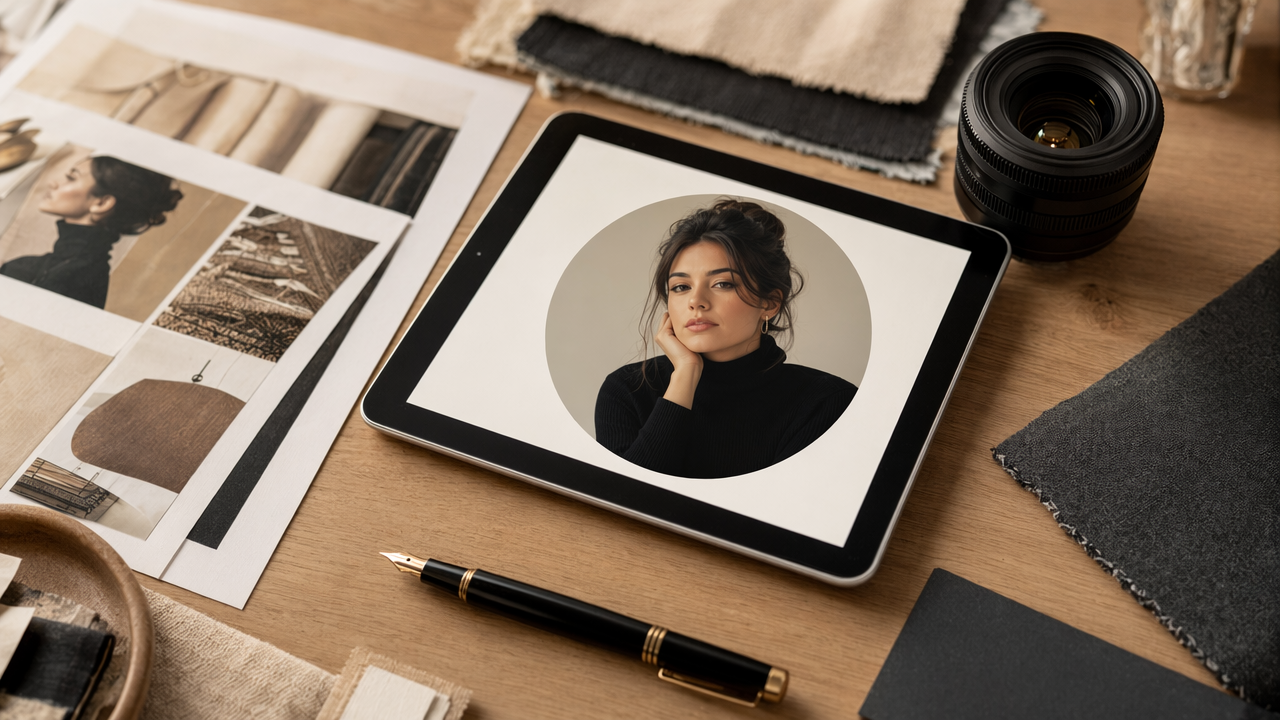
Before you generate anything, define the role of the photo. Are you asking readers to trust your expertise, feel your personality, or remember your visual brand? That answer shapes wardrobe, crop, lighting, expression, and background.
A quick style guide by newsletter type
| Newsletter type | Best profile style | Why it works | Risk to avoid |
|---|---|---|---|
| Business or career | Clean headshot, neutral background | Signals expertise and trust | Over-retouched skin or fake office scenes |
| Personal essays | Warm portrait, softer lighting | Feels human and approachable | Looking too casual or blurry |
| Design or culture | Stylized portrait or illustrated avatar | Makes the brand memorable | Style overpowering your face |
| Tech or AI commentary | Modern headshot with simple color treatment | Feels current without gimmicks | Futuristic effects that age badly |
| Podcast-led newsletter | Headshot that matches cover art palette | Builds recognition across formats | Different identity on every asset |
Three choices that matter more than filters
- Crop: A head-and-shoulders crop usually works best on Substack because circular or small display areas can hide details.
- Expression: Slightly warm beats overly serious for most solo newsletters. Readers subscribe to people they feel they know.
- Background: Solid or lightly textured backgrounds hold up better than busy scenes.
Wikipedia's definition of an avatar is useful here because it reminds you that a profile image does not have to be a literal photograph. A stylized representation can work if it still anchors your identity and stays consistent over time.
For creators who repurpose one visual system across channels, a related asset like a Pinterest pin generator can help keep colors and layout decisions aligned with the face readers already know.
How to create a polished image without making it look fake
A believable AI-generated profile image starts with restraint. The fastest way to lose trust is to publish a face that looks airbrushed, uncanny, or inconsistent with your real appearance.
Research on AI-generated text often centers on reliability and truthfulness, and that caution applies to visuals too. A 2023 paper by Jürgen Rudolph, Samson Tan, and Shannon Tan in the Journal of Applied Learning & Teaching examined concerns about generative AI output quality and accuracy, which is a useful reminder that polished output is not the same as dependable output. See the paper here: ChatGPT: Bullshit spewer or the end of traditional assessments in higher education?.
A second useful lens comes from Gabriel Grill's 2022 work on machine learning and certainty, which explored how testing can create a sense of confidence around systems that still need scrutiny: Constructing Certainty in Machine Learning. For creators, the takeaway is simple: check whether your image looks like you, not whether the tool says it scored well.
A practical workflow that keeps the result authentic
- Start with 10 to 20 clear reference photos of your real face.
- Pick one brand direction, such as editor, founder, coach, or creative commentator.
- Generate several subtle variations, not dozens of extreme styles.
- Compare the outputs at actual Substack thumbnail size.
- Ask one colleague or friend, "Does this immediately look like me?"
- Test the image beside your newsletter title and banner.
Common mistakes that make readers hesitate
- Plastic-looking skin texture
- Teeth, glasses, or hands rendered oddly
- Mismatched lighting between face and background
- Overly cinematic scenes that feel stock-photo fake
- A vibe that clashes with your writing voice
Key insight: If someone who knows you pauses before recognizing you, the image is too synthetic.
A 2023 article by Maywa Montenegro de Wit and Matthew Canfield on data productivism is not about profile pictures directly, but it does speak to a broader tendency to optimize outputs for scale rather than meaning: 'Feeding the world, byte by byte'. That's a fair warning for personal branding. Your face is not bulk content; it's identity.
How The Looktara Lens handles newsletter-ready profile images
The Looktara Lens is most useful when you want one profile image system that can stretch across your newsletter, social posts, and creator brand. Instead of treating the photo as a one-off asset, you can think in terms of repeatable visual identity.
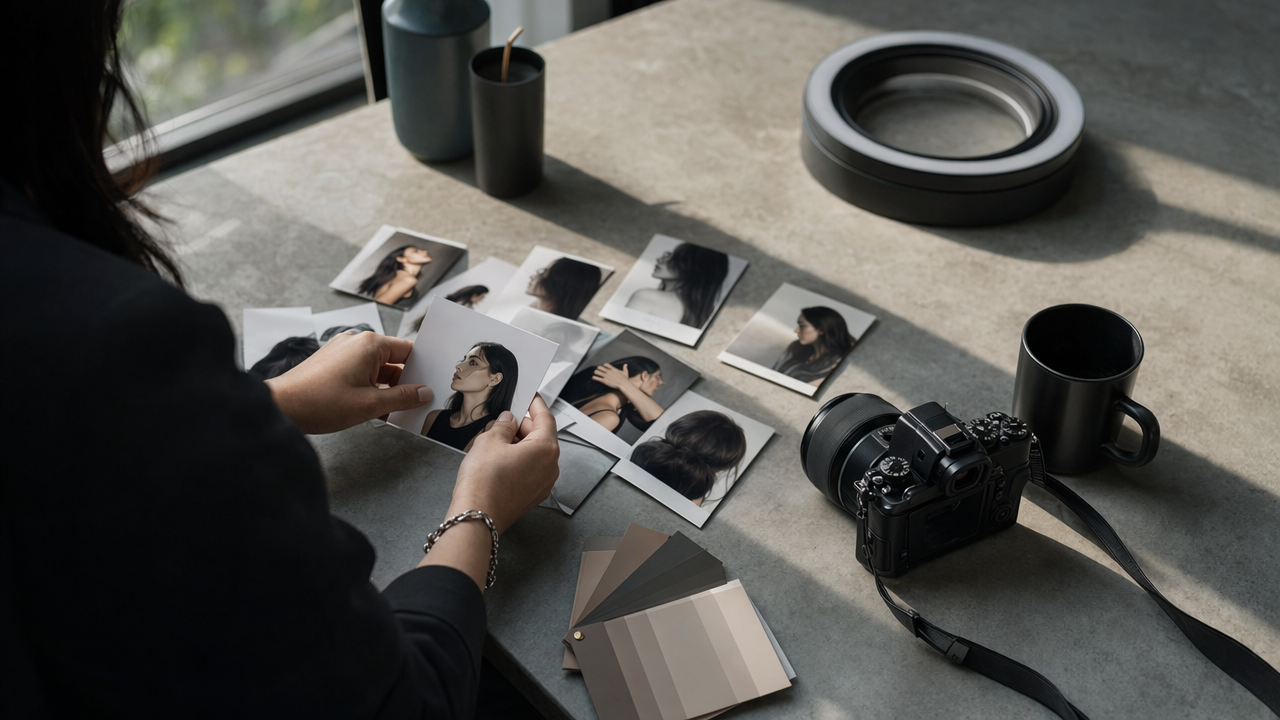
That matters for Substack because a newsletter rarely stays isolated. Writers promote on LinkedIn, appear on podcasts, publish quote cards, and pitch collaborations. A single consistent visual style saves time and reduces the brand drift that happens when every platform gets a different image.
Where The Looktara Lens fits best
| Need | Best use with The Looktara Lens | Outcome |
|---|---|---|
| New Substack launch | Create a polished profile image from existing photos | Faster setup with a coherent first impression |
| Personal rebrand | Update headshot style without booking a shoot right away | Better alignment with current voice and audience |
| Multi-platform creator brand | Extend the same visual identity into companion assets | Stronger recognition across touchpoints |
| Solo founder newsletter | Use one face-led brand system for writing and business content | More trust and consistency |
The platform is especially relevant if your newsletter is one part of a bigger content system. You can pair the profile image with a resume headshot AI generator for professional presence or a pitch deck slide generator for founder storytelling.
One practical rule still applies: use AI to improve presentation, not to invent a different person. The strongest results feel like the best version of your real-world identity.
If you want to explore a broader creator workflow, head to looktara.com and map the places your profile image will show up next. That usually leads to better choices than designing only for the Substack sidebar.
What to do before you publish your new photo on Substack
You should test your image in context before making it public. A profile picture that looks excellent at full size can fail once it's reduced, cropped, or placed next to your newsletter title.
A fast pre-publish checklist
- View the image at tiny size on mobile and desktop
- Check that eyes, glasses, and hairline stay clear in a circular crop
- Compare it against your current bio, banner, and publication description
- Make sure the color palette does not clash with your header art
- Ask whether the image would still make sense six months from now
Who should use a real photo, and who can use an avatar
A real photo is usually best for consultants, journalists, recruiters, coaches, executives, and founders because trust is the main conversion driver. An illustrated or stylized avatar can work for writers in culture, satire, fiction, or niche commentary if the image is still memorable and consistent.
If you also promote your publication through video or short-form social, a matching asset like a shorts thumbnail generator can keep your face and color language consistent. That kind of alignment matters more in 2026 as creators publish in more formats from a single brand.
Final decision rule: Pick the image that a new reader can recognize, remember, and trust after one glance.
The future point is straightforward. As AI image tools get better in 2026 and beyond, the advantage won't come from making the most dramatic portrait. It will come from building the most coherent identity across newsletter, social, and business channels. More on that strategy lives on looktara.com if you're planning a wider brand refresh.
Conclusion
A strong AI profile picture for Substack newsletter growth should make you look like a credible, consistent version of yourself, not a synthetic character. Start with your newsletter's editorial identity, choose a simple style that survives thumbnail size, and test the image next to your title and banner before you publish. If you want one visual system that can extend from Substack into social posts, professional headshots, and creator assets, use The Looktara Lens as your starting point, then build outward with the related generators that match your publishing workflow. Your next step is simple: choose one brand direction today, generate three restrained options, and publish the one people recognize fastest.
Generated by EarlySEO.com