
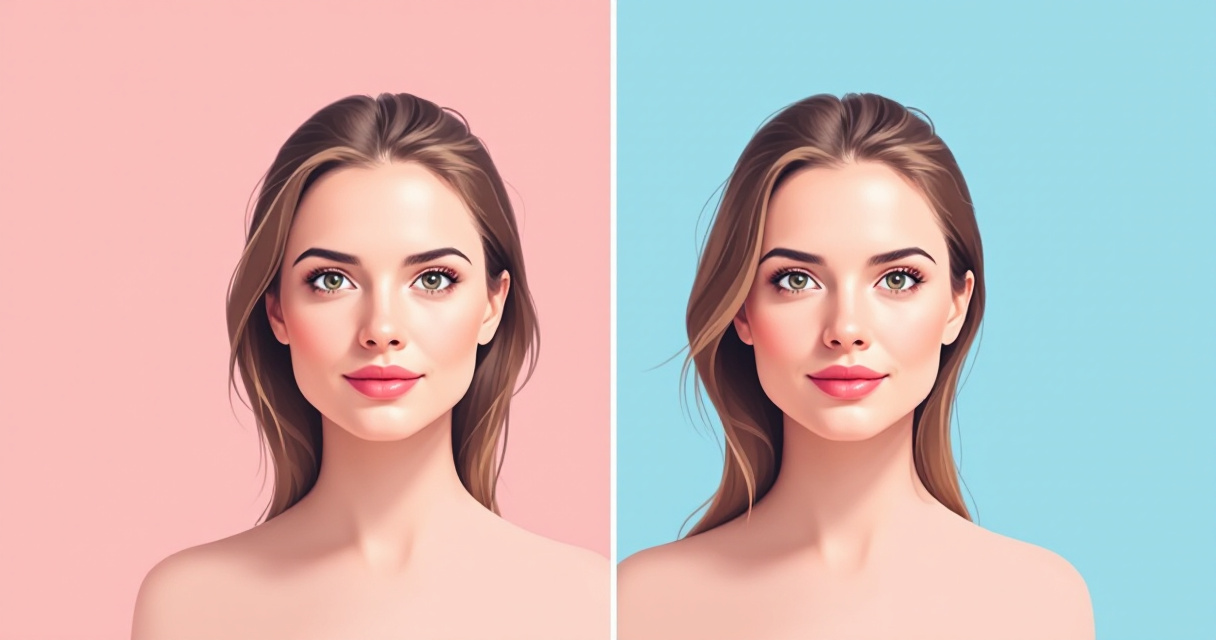
Before and After AI Headshot Transformations: Real Results That Actually Look Like You
A grainy selfie taken in bad lighting versus a polished professional headshot that looks like it cost $500. That's the transformation millions of people are experiencing with AI headshot generators in 2026. But here's what most articles won't tell you: roughly 40% of AI-generated headshots still look obviously fake, with waxy skin, dead eyes, or that uncanny valley effect that makes recruiters scroll past your LinkedIn profile.
The difference between a transformation that elevates your professional presence and one that screams "I used a cheap AI filter" comes down to understanding the technology and choosing the right tools. Platforms like The Looktara Lens have emerged specifically to address these quality gaps, focusing on natural expressions and authentic skin tones rather than just applying beauty filters.
This guide breaks down what separates remarkable AI headshot transformations from disappointing ones, with real examples and actionable advice for getting results you'll actually want to use.
How AI Headshot Technology Creates Transformations
Understanding the mechanics behind AI headshots helps explain why some transformations look stunning while others fall flat. Modern AI portrait systems rely on generative adversarial networks (GANs), a machine learning framework where two neural networks compete against each other to produce increasingly realistic images.
According to research published in IEEE Transactions on Pattern Analysis and Machine Intelligence by Melnik, Miasayedzenkau, and Makaravets (2024), StyleGAN technology has become the foundation for most professional AI headshot services. This architecture allows for precise control over facial features, lighting, and expression while maintaining photorealistic quality.
The Technical Process Behind Your Transformation
When you upload a casual photo to an AI headshot generator, here's what happens:
- Facial detection identifies key landmarks on your face
- Feature extraction maps your unique characteristics
- Style transfer applies professional lighting and composition
- Quality enhancement sharpens details and balances tones
- Background generation creates a clean, professional setting
The best AI systems preserve your authentic facial structure while only enhancing elements like lighting, color grading, and background. Poor systems try to "beautify" your features, creating that fake look people immediately recognize.
The Looktara Lens platform specifically focuses on this preservation of natural features, which explains why their transformations maintain recognizable likeness rather than producing generic "attractive person" outputs.
Why Some Before and After Results Look Fake
Three main factors cause AI headshots to cross into uncanny territory:
| Problem | What Causes It | How to Spot It |
|---|---|---|
| Waxy skin | Over-smoothing algorithms | No visible pores, plastic-like texture |
| Dead eyes | Poor reflection synthesis | Missing catchlights, flat gaze |
| Floating hair | Background replacement errors | Unnatural edges, halo effects |
| Wrong proportions | Facial feature "correction" | Doesn't look like the original person |
| Lighting mismatch | Inconsistent shadow generation | Face lit differently than background |
Many budget AI tools aggressively smooth skin and enlarge eyes because these changes photograph well in isolation. The problem is real human faces have texture, asymmetry, and imperfections that make them recognizable.
Real Transformation Categories: What to Expect
AI headshot transformations vary dramatically based on your starting photo and chosen style. Understanding these categories helps set realistic expectations and choose the right approach for your needs. If you're also creating visual content for social media, you might explore tools like the fitness TikTok banner AI generator for consistent branding across platforms.
Casual to Corporate Transformations
The most common before and after scenario involves converting a casual snapshot into a professional business portrait. These transformations typically include:
- Background swap from messy room to neutral gradient or office setting
- Lighting correction to simulate professional studio conditions
- Color grading for consistent skin tones and warmer, more approachable appearance
- Subtle retouching to reduce temporary blemishes while keeping permanent features
- Outfit simulation to suggest professional attire
Results work best when the original photo has:
- Clear face visibility (no sunglasses or extreme angles)
- Neutral expression or genuine smile
- Decent resolution (minimum 500x500 pixels)
- Natural lighting (harsh shadows cause problems)
Professional tip: AI handles front-facing or slight three-quarter angles best. Extreme side profiles often produce distorted results.
Social Media to Dating App Transitions
Dating app users represent a growing segment of AI headshot customers. The transformation goals here differ from corporate needs; authenticity and approachability matter more than formality.
Successful dating photo transformations:
- Keep the genuine smile from casual shots
- Improve lighting without changing facial structure
- Create outdoor or lifestyle backgrounds
- Maintain body language and natural pose
- Avoid the "too perfect" filter look
Using The Looktara Lens for this purpose works well because the platform prioritizes natural expressions over beauty filters, a critical distinction when someone will meet you in person and compare you to your photos.
Entrepreneur and Personal Brand Updates
Content creators, freelancers, and entrepreneurs need transformations that convey expertise and personality simultaneously. This category often requires the most sophisticated AI processing because it balances professionalism with personal brand elements.
These users benefit from creating a cohesive visual identity across platforms, which might include professional headshots plus branded content using tools like the fitness Instagram LinkedIn post AI generator for social media graphics that match their headshot aesthetic.
Before and After: Breaking Down Quality Differences
Not all AI headshot transformations deliver equal results. Examining what separates premium outcomes from disappointing ones helps you evaluate services before committing.
Comparison of AI Headshot Quality Levels
| Quality Level | Skin Texture | Eye Realism | Background | Likeness Accuracy | Typical Price |
|---|---|---|---|---|---|
| Budget tier | Over-smoothed | Flat, dull | Generic blur | 50-60% match | $5-15 |
| Mid-range | Some texture | Basic catchlights | Preset options | 70-80% match | $20-40 |
| Premium | Natural pores | Realistic depth | Custom settings | 90%+ match | $40-100 |
| Professional | Film-quality | Perfect lighting | Unlimited options | Near-identical | $100+ |
The Looktara Lens platform falls into the premium category, offering film-quality results with extensive customization while maintaining authentic likeness, something budget tools sacrifice for speed.
Red Flags in AI Headshot Results
Watch for these warning signs that indicate poor transformation quality:
- Teeth look too uniform (real teeth have slight color variations)
- Hairline appears painted on (especially problematic for curly or textured hair)
- Jewelry disappears or warps (earrings and necklaces challenge many AI systems)
- Skin tone changes dramatically (particularly problematic for darker skin tones)
- Expression differs from source (AI shouldn't change your smile into a different smile)
According to Milagros Miceli and Julian Posada's 2022 research on AI data production, many image generation systems exhibit biases based on their training data. This explains why some AI headshot tools perform poorly on certain skin tones or facial structures.
Getting the Best AI Headshot Transformation Results
Your input photos dramatically affect output quality. Following these guidelines maximizes your chances of getting transformations you'll actually use. For those building a complete content strategy, pairing professional headshots with tools like the fitness Shopify YouTube thumbnail AI generator creates a consistent visual brand across all platforms.
Optimal Source Photo Requirements
Upload photos that meet these criteria for best results:
- Resolution: 1024x1024 pixels minimum, higher is better
- Lighting: Soft, diffused light from front or 45-degree angle
- Expression: Genuine rather than forced; slight smile outperforms blank stare
- Angle: Face camera directly or turn head slightly (15-30 degrees max)
- Background: Clean backgrounds help but aren't essential
- Focus: Sharp focus on eyes specifically
- Clothing: Wear something similar to your desired output style
The single biggest mistake people make is uploading heavily filtered selfies as source images. AI works best with unedited photos that show your natural features clearly.
How Many Photos to Upload
Most premium AI headshot services, including The Looktara Lens, recommend uploading 8-15 source photos showing different angles and expressions. This gives the AI enough data to understand your face comprehensively.
Ideal photo variety includes:
- 3-4 direct front-facing shots
- 2-3 slight left angle shots
- 2-3 slight right angle shots
- 2-3 different expressions (smile, neutral, slight smile)
- 1-2 different lighting conditions
Avoid uploading photos with heavy makeup, sunglasses, hats, or from more than 5 years ago if your appearance has changed.
What's Next for AI Headshot Technology in 2027
AI portrait generation continues evolving rapidly. Several trends will shape transformations over the next 12-18 months.
Emerging Capabilities
Video headshots are becoming standard. Instead of static images, professionals increasingly need 10-15 second video introductions for LinkedIn and virtual networking. AI systems now generate these from photo inputs.
Real-time editing allows users to adjust lighting, expression, and background through simple sliders rather than regenerating entire images. This reduces the lottery feeling of current AI headshot generation.
Better hair and accessory handling addresses current weaknesses. Next-generation models show major improvements in curly hair, glasses, earrings, and head coverings that current systems struggle with.
This video demonstrates how far AI portrait technology has advanced in capturing realistic facial features and expressions.
Industry Predictions for Professional Headshots
Traditional portrait photographers aren't disappearing, but their role is shifting. By 2027, expect:
- Hybrid services where photographers take source photos optimized for AI enhancement
- Verification badges on LinkedIn and other platforms indicating AI vs photographed headshots
- Style libraries letting you match your headshot to specific company aesthetics
- Seasonal updates becoming standard as AI makes regular headshot refreshes affordable
For professionals building their brand now, starting with quality AI headshots through platforms like The Looktara Lens makes sense while planning periodic professional photo sessions for source material updates.
Making Your Transformation Investment Count
AI headshot transformations represent genuine value when executed correctly. A $40-80 investment in premium AI headshots can replace $300-500 professional photography sessions for many use cases.
Where AI Headshots Work Best
- LinkedIn profiles and professional networking
- Company directory photos
- Speaker bios and conference materials
- Freelancer platform profiles
- Dating app main photos
- Social media professional accounts
For situations requiring maximum credibility (executive teams, keynote speakers, major publications), traditional photography still edges out AI for subtle authenticity cues that discerning viewers notice.
Your Action Plan for Better Results
Start your AI headshot transformation with these steps:
- Audit your current photos for ones meeting the technical requirements above
- Take 10-15 new source photos if existing ones don't qualify
- Choose a premium service that demonstrates natural-looking results in their portfolio
- Request multiple outputs and get feedback from colleagues before selecting final images
- Update consistently across all platforms for brand coherence
For content creators and entrepreneurs needing complete visual branding beyond headshots, explore complementary tools like the fitness Instagram story AI generator to maintain consistent aesthetics across your entire online presence.
Conclusion
AI headshot transformations have reached a quality threshold where results genuinely compete with professional photography for most professional use cases. The key lies in choosing tools that prioritize authentic likeness over aggressive beautification, understanding what makes source photos work well, and setting realistic expectations for output quality.
The difference between a transformation that elevates your professional presence and one that undermines credibility comes down to natural texture, realistic lighting, and preserved facial structure. Budget tools that promise magic transformations typically deliver the opposite, so investing in premium options like The Looktara Lens pays dividends in usable results.
Take action today: gather 10-15 quality source photos, upload them to a reputable AI headshot service, and update your LinkedIn profile within the week. Your professional image affects opportunities you never even hear about because someone scrolled past, so make the investment in getting it right.