
Bumble Profile Photo AI Generated: Should You Use AI for Your Dating App Pictures in 2026?
A 2025 survey found that 34% of dating app users have considered using AI to create or enhance their profile photos. Bumble, the dating platform founded by Whitney Wolfe Herd in 2014 and now operated by Bumble Inc., has become ground zero for this trend. The app's emphasis on women making the first move means first impressions carry even more weight, pushing users toward any edge they can find.
But here's the question nobody asks until it's too late: will an AI-generated photo get you more matches, or will it tank your chances before the conversation starts? The answer depends on how you use the technology. Platforms like The Looktara Lens offer sophisticated AI photography that captures natural expressions rather than the plastic, over-processed look that screams "fake" to experienced daters. Understanding the difference between enhancement and deception could determine whether your next swipe right leads somewhere real.
What Bumble's Photo Verification Means for AI Images
Bumble rolled out photo verification to combat catfishing, requiring users to take a selfie mimicking a specific pose. The system compares facial geometry between your verification selfie and profile pictures. This creates a genuine obstacle for fully AI-generated faces that don't match any real person.
However, verification doesn't catch AI-enhanced photos of yourself. If you upload a real picture that's been refined with AI tools, the facial structure still matches your verification selfie. This distinction matters enormously for users wondering what's actually allowed.
Verification Detection Capabilities
| Feature | Detected by Bumble | Risk Level |
|---|---|---|
| Fully AI-generated faces | Yes | High - Account ban |
| AI background replacement | No | Low |
| AI lighting/color correction | No | Low |
| AI skin smoothing (moderate) | No | Low |
| Dramatic face reshaping | Sometimes | Medium |
| Age reduction filters | Partially | Medium |
The key distinction: Bumble's system checks if the face belongs to you, not whether the photo was enhanced after capture.
This means strategic AI enhancement remains viable when done correctly. The platform primarily targets identity fraud, not beauty optimization.
What Happens If You Get Caught
Bumble's enforcement follows a tiered approach:
- First violation typically triggers a warning
- Repeated offenses lead to temporary suspension
- Clear catfishing attempts result in permanent bans
The platform cross-references reports from other users with their own detection systems. If multiple matches report that you look nothing like your photos, algorithmic flags stack up quickly.
Why Most AI-Generated Dating Photos Fail
The uncomfortable truth about AI dating photos is that most fail spectacularly. Not because the technology lacks capability, but because users optimize for the wrong outcomes. They chase magazine-perfect images when authenticity drives actual connections.
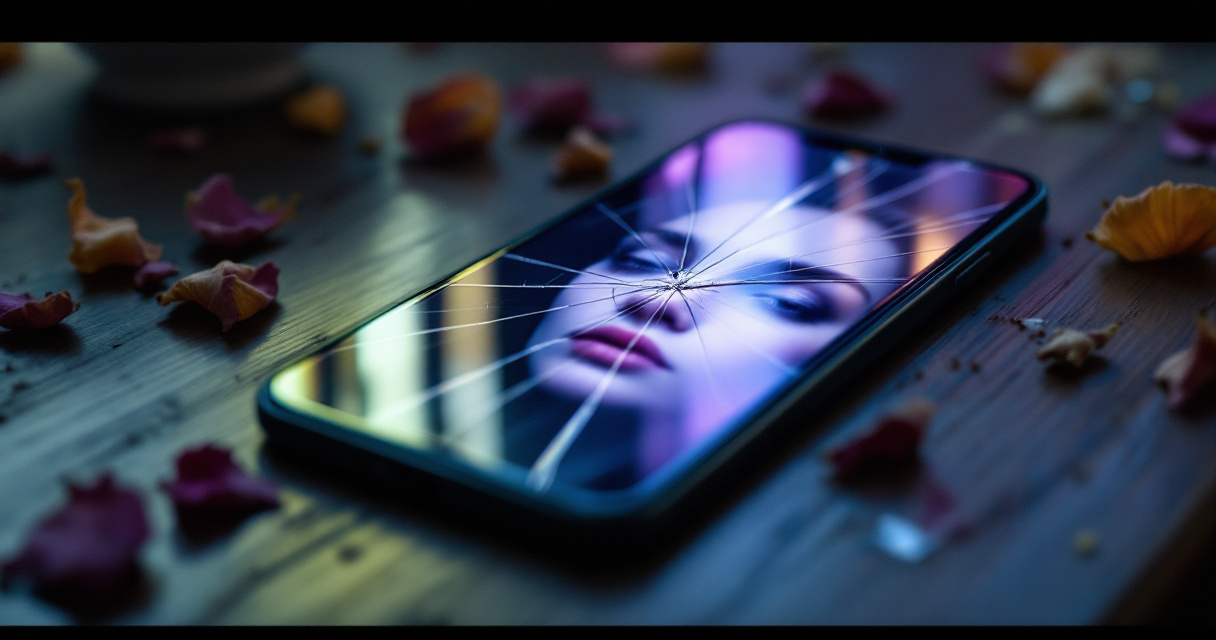
Research into human-AI interaction, including studies on how users engage with digital systems, shows people have developed surprisingly accurate intuitions about artificial content. A 2024 study published in Nature Communications explored how humans process visual information through multiple recognition modes, suggesting we're wired to detect subtle inconsistencies in artificial imagery.
The Uncanny Valley Problem
AI-generated photos often fall into what researchers call the uncanny valley, that unsettling zone where something looks almost human but triggers subconscious alarm bells. Common giveaways include:
- Skin texture that's too smooth or uniformly lit
- Eye reflections that don't match the environment
- Hair details that blur or merge unnaturally
- Background inconsistencies with warped lines or impossible geometry
- Jewelry and accessories with melted or distorted shapes
Experienced daters scroll through hundreds of profiles weekly. They've seen enough AI-generated content to spot these red flags instantly, even if they can't articulate exactly what seems off.
"The difference between good AI enhancement and bad AI generation is whether people feel deceived when they meet you." - Dating coach feedback analysis
The Expectation Gap That Kills Dates
Even when AI photos pass the swipe test, they create downstream problems. Matches who agree to meet expecting one version of you react poorly when reality differs. This expectation gap generates:
- Awkward first moments that poison the entire date
- Higher rates of being unmatched post-meeting
- Negative reputation effects if you share social circles
- Psychological damage to your own dating confidence
Platforms focused on professional imagery, like those offering AI-generated resume headshots, understand this balance between enhancement and authenticity. The goal should be showing your best realistic self, not an imaginary better person.
How to Use AI Enhancement Without Tanking Your Matches
Smart users treat AI as a photography assistant rather than a replacement for genuine photos. The technology excels at fixing technical problems while preserving what makes you recognizably you.
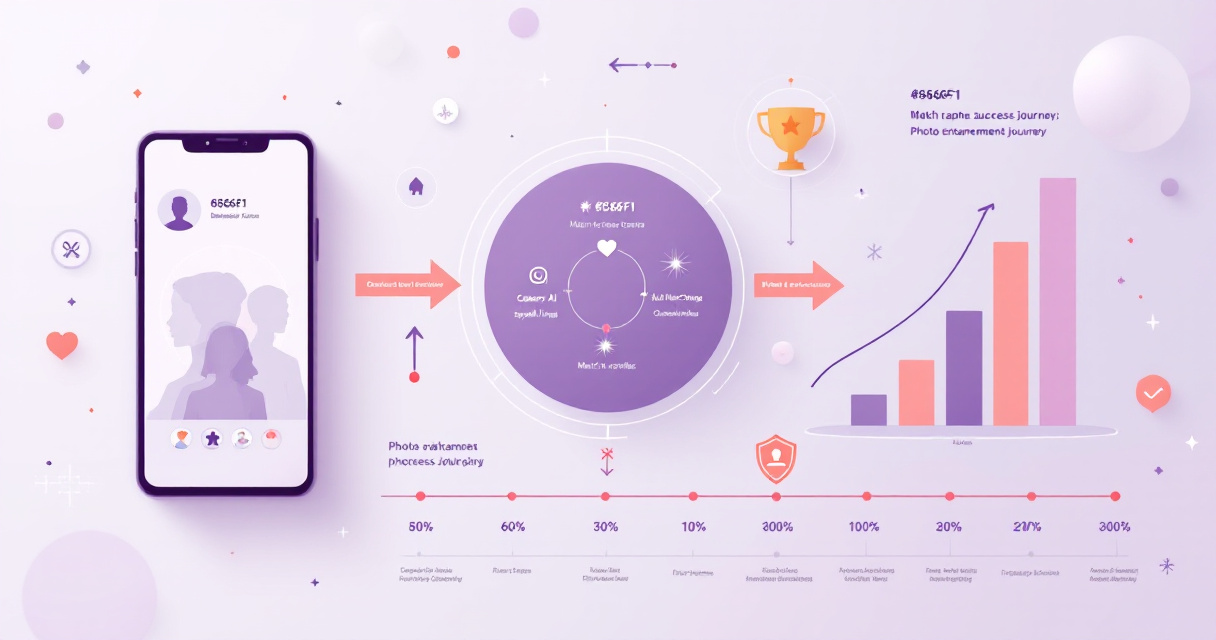
This video breaks down what actually drives match rates, spoiler: authenticity and activity shots beat polished perfection every time.
AI Enhancements That Help
Use AI tools for these improvements without crossing into deception:
- Lighting correction - Fix harsh shadows or dim indoor shots
- Background cleanup - Remove clutter or distracting elements
- Color grading - Ensure skin tones look natural across devices
- Red-eye and blemish removal - Standard photo editing that's universally accepted
- Composition adjustments - Crop to more flattering framing
The Looktara Lens platform specifically addresses the challenge of capturing natural expressions, something most AI tools miss entirely. Rather than generating fake images, better AI tools enhance real moments you've captured.
Where to Draw the Line
Certain modifications cross from enhancement into misrepresentation:
| Acceptable Enhancement | Problematic Modification |
|---|---|
| Evening out lighting | Adding dramatic muscles |
| Removing temporary blemish | Changing face shape |
| Fixing camera distortion | Making yourself taller |
| Improving background | Adding fake activities |
| Color correction | Age reduction by 10+ years |
If you wouldn't be comfortable explaining the edit to your date, skip it. That simple test catches most problems before they start.
Building a Bumble Profile That Converts Without Faking It
The highest-performing Bumble profiles combine genuine photos with strategic presentation. You can showcase your best self without manufacturing a fictional version of who you are.
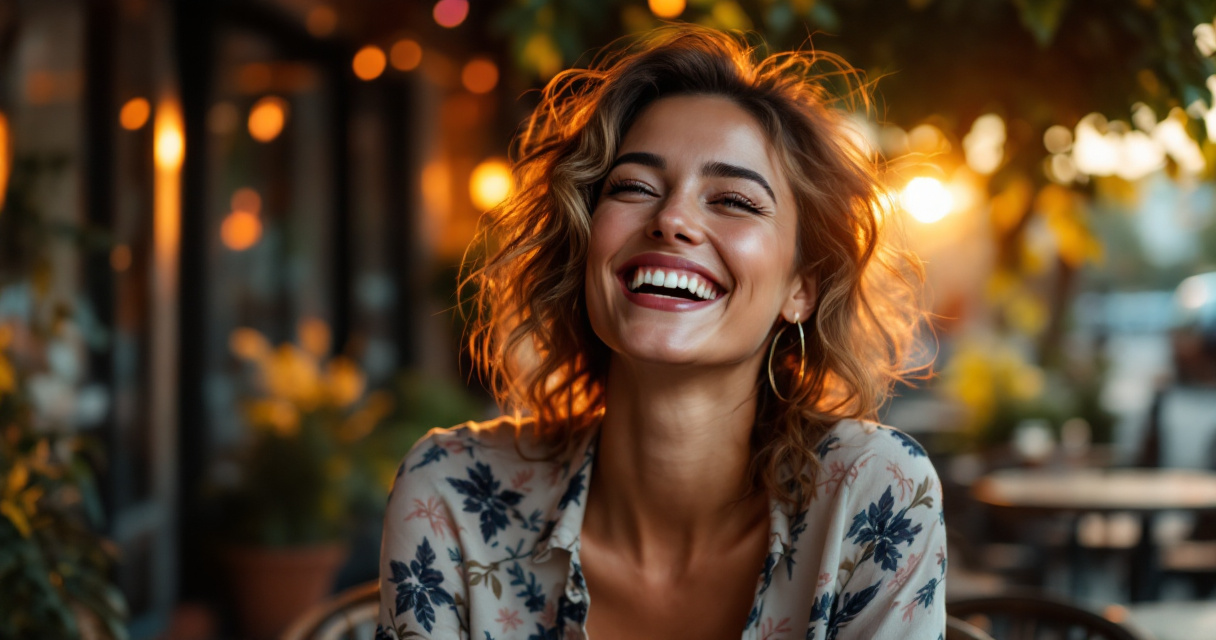
Content creators who need authentic visuals for multiple platforms, like those using AI banner generators, understand that consistency across touchpoints builds trust. The same principle applies to dating: your photos should match your Instagram, LinkedIn, and the person who shows up for coffee.
The Optimal Photo Mix
Successful Bumble profiles typically include:
- One clear headshot with good lighting (first position)
- One full-body shot in normal clothes
- One activity photo showing a genuine interest
- One social photo with friends (faces can be blurred)
- One travel or outdoor shot demonstrating lifestyle
Profiles with 5-6 varied photos receive 3x more matches than those with only selfies.
If you lack quality photos in certain categories, that's where AI tools add legitimate value, not by generating fake scenarios, but by enhancing real images you already have or helping you plan better photo sessions.
Writing a Bio That Complements Your Photos
Your photos and bio should tell a coherent story. Contradictions raise red flags:
- Photos at the gym but bio says "hate exercise"
- Hiking pictures but profile lists Netflix as main hobby
- Professional headshot style but bio is overly casual
Many users investing in visual content also explore tools for social media post generation to maintain brand consistency. Dating profiles benefit from the same integrated thinking, every element should reinforce the same authentic narrative.
What's Coming Next for AI and Dating Photos
The tension between AI capability and platform detection will escalate through 2027. Both sides continue investing heavily in this technological arms race.
Bumble and competitors are testing real-time video verification that would make fully AI-generated profiles essentially impossible. Meanwhile, AI image tools grow more sophisticated at producing undetectable results. The winner of this battle remains uncertain.
Emerging Detection Technologies
Dating platforms are exploring:
- Liveness detection requiring real-time video during sign-up
- Blockchain-verified photos with unalterable timestamps
- AI detection algorithms trained specifically on dating profile images
- Social verification connecting to other platforms for identity confirmation
These changes suggest that investment in AI-generated photos may have diminishing returns. Meanwhile, skills in capturing genuine, high-quality images will remain valuable regardless of platform policy changes.
The Authenticity Premium
Counter-intuitively, as AI photos become more common, authentic images gain competitive advantage. Profiles that feel genuine stand out in a sea of polished perfection.
This demonstrates that compelling profiles come from strategy, not synthetic perfection. Using The Looktara Lens to enhance rather than replace real photos positions you ahead of this curve.
Conclusion
AI-generated Bumble photos occupy a spectrum from helpful enhancement to profile-killing deception. The smart approach uses technology to fix technical problems, correct lighting, clean backgrounds, improve color, while preserving authentic representations of who you actually are.
Skip fully AI-generated faces entirely. They fail verification, trigger user reports, and create devastating expectation gaps on actual dates. Instead, invest in genuine photo sessions enhanced by capable AI tools.
Your next step: audit your current Bumble photos against the authenticity checklist above. Replace any images where you wouldn't feel comfortable explaining how they were created. Then explore platforms like The Looktara Lens for enhancement tools that prioritize natural expressions over artificial perfection. The matches you want are looking for the real you, give them a clear, well-lit, honestly-presented version of exactly that.