
Corporate Headshot Diversity and Inclusion: Building Authentic Visual Representation in 2026
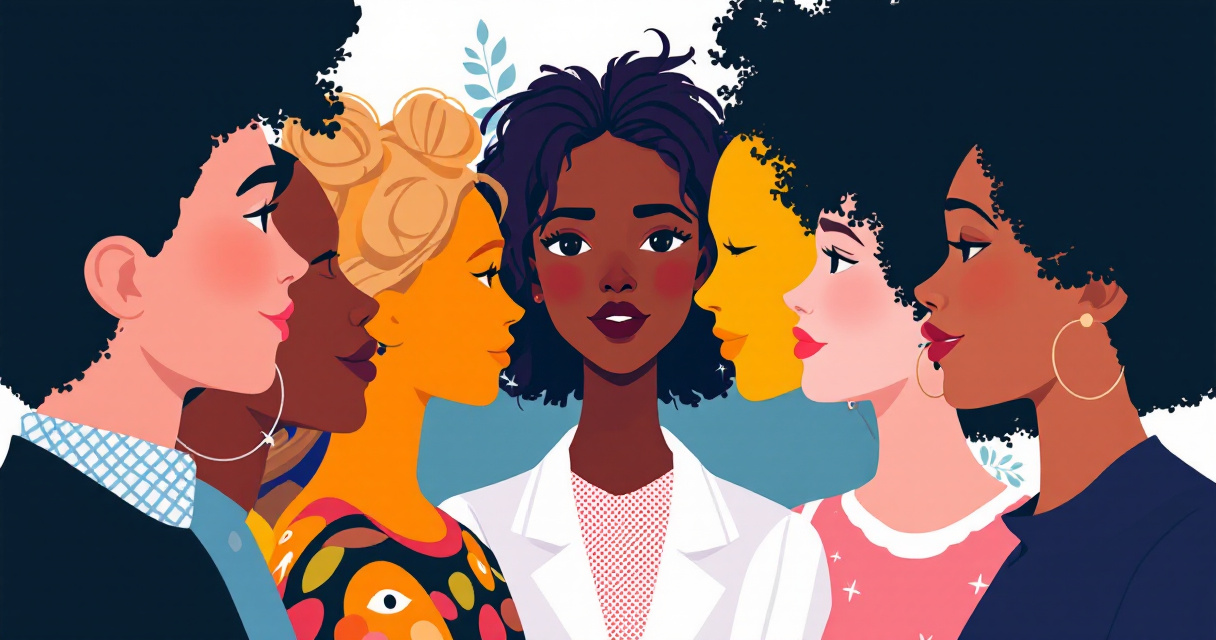
A prospective employee visits your company's About page. Within three seconds, they've scanned the leadership photos and made a judgment: "Do people like me work here?" That split-second assessment shapes whether they apply, accept an offer, or scroll away. According to research on blind recruitment methods by Ramakrishnan Vivek (2022), visual cues in hiring materials significantly influence candidate perception and self-selection, often before qualifications are even considered. Corporate headshots aren't just portraits; they're silent ambassadors of your organizational culture. In 2026, companies treating diversity and inclusion as checkbox exercises are losing talent to competitors who understand that authentic visual representation starts with how employees appear in professional imagery. The Looktara Lens has emerged as a solution for organizations needing consistent, high-quality headshots that honor individual identity while maintaining brand cohesion. This guide breaks down why headshot diversity matters, what inclusive photography actually looks like, and how to implement changes that stick.
Why Headshot Diversity Directly Impacts Business Outcomes
Visual representation isn't a soft metric. It ties directly to recruiting success, customer trust, and internal belonging scores. Companies with diverse leadership teams outperform peers financially, and that diversity needs to be visible.
Research by McKinsey (led by Dame Vivian Hunt) has consistently shown that companies in the top quartile for ethnic and cultural diversity are 36% more likely to achieve above-average profitability.
When your headshots look homogeneous, you're inadvertently signaling limitations. Job seekers, particularly those from underrepresented groups, actively search for visual proof that they'll belong.
The Recruitment Cost of Homogeneous Imagery
LinkedIn, the dominant professional networking platform with over 900 million members, serves as many candidates' first impression of your company. Studies on online community behavior, including research by Klassen, Kingsley, and McCall (2021), demonstrate that underrepresented professionals actively seek visual signals of inclusion when evaluating potential employers.
- 67% of job seekers consider workforce diversity when evaluating companies
- Candidate drop-off increases by 30% when company pages show only one demographic
- Application rates rise 25% when team photos reflect visible diversity
These numbers mean real recruiting costs. Every candidate who self-selects out because your headshots look exclusionary costs money in extended searches and missed talent.
Customer Trust and Brand Perception
B2B buyers and consumers alike notice who represents your company. A financial services firm with exclusively white male headshots sends a different message than one showing varied ages, ethnicities, and presentations.
| Audience Segment | Trust Impact of Diverse Imagery | Purchase Intent Change |
|---|---|---|
| Gen Z consumers | +42% brand trust | +28% likelihood to buy |
| Corporate buyers | +31% perceived credibility | +19% vendor consideration |
| International clients | +38% cultural competence perception | +24% contract renewal |
Your headshots appear on proposals, pitch decks, and client portals. They're marketing materials whether you treat them that way or not. Creating compelling visual content for professional platforms requires the same attention to representation.
What Inclusive Corporate Photography Actually Requires
Diversity in headshots goes beyond photographing people from different backgrounds. It requires attention to lighting, styling guidance, and the subtle cues that make someone look like they belong or stand out awkwardly.

Many companies fail at inclusion not through malice but through standardization that assumes one default. When your photo guidelines specify lighting optimized for lighter skin tones, or backgrounds that wash out certain complexions, you've built exclusion into your process.
Technical Standards for Equitable Lighting
Professional photographers trained in inclusive practices adjust their approach based on skin tone, hair texture, and facial features. This isn't special treatment; it's basic competence that's been historically neglected.
Key lighting adjustments:
- Modify exposure settings for darker skin tones to capture true color depth
- Use fill lights to prevent shadows that obscure features on deep complexions
- Adjust white balance specifically for each subject rather than using blanket settings
- Position reflectors to complement rather than flatten natural hair textures
- Test backgrounds against multiple skin tones before finalizing choices
The Looktara Lens platform addresses these challenges by using AI trained on diverse datasets, ensuring consistent quality regardless of the subject's appearance.
Guidance That Respects Individual Expression
Dress code guidance for headshots often reflects narrow cultural norms. "Professional attire" means different things across cultures, religions, and personal identities.
Telling employees to dress "professionally" without acknowledging hijabs, turbans, natural hairstyles, or cultural attire creates immediate exclusion.
Inclusive guidelines specify:
- Solid colors that photograph well (with examples across skin tones)
- Explicit welcome of religious head coverings and cultural dress
- Neutral language about grooming that doesn't privilege Western beauty standards
- Options for those who prefer minimal makeup or none at all
- Accommodation for sensory sensitivities (no flash, quiet spaces)
Common Failures in Corporate Headshot Programs
Even well-intentioned companies make mistakes that undermine their diversity efforts. Recognizing these patterns helps avoid repeating them.
According to MacKenzie, Sensoy, and Johnson (2023) in their research on institutional resistance to structural change, organizations often implement surface-level diversity initiatives while maintaining systems that perpetuate exclusion. Headshot programs frequently fall into this trap.
The Tokenism Trap
Placing your few diverse employees prominently while the broader headshot collection remains homogeneous backfires. Savvy candidates and customers recognize performative diversity immediately.
| Tokenism Signal | What Candidates Actually See |
|---|---|
| One diverse face on the homepage, none in leadership | "Diversity is entry-level only here" |
| Same three people rotated across all materials | "They have exactly three diverse employees" |
| Stock photos mixed with real headshots | "They're faking diversity they don't have" |
| Diverse faces only in certain departments | "Certain roles aren't really open to me" |
Authenticity requires documenting your actual workforce accurately, not curating a misleading sample.
Inconsistent Quality Across Demographics
When companies update headshots sporadically, newer employees (who may be more diverse due to recent DEI hiring efforts) end up with polished images while established employees have outdated photos. Or worse, technical quality varies based on who knew how to advocate for better lighting.
Solutions include:
- Annual refresh cycles that include everyone
- Standardized review process checking quality equity
- AI-powered tools like The Looktara Lens that deliver consistent results
- Feedback mechanisms allowing employees to flag concerns
Creating professional visual content shouldn't require knowing the right people. Tools that democratize quality, similar to AI-powered headshot generators for resumes, help level the playing field.
Building an Inclusive Headshot Program: Step-by-Step Implementation
Moving from awareness to action requires concrete processes. Here's a framework that works for organizations of any size.

Phase 1: Audit Your Current State
Before changing anything, understand what you have.
- Collect all current headshots across platforms (website, LinkedIn, internal directories)
- Analyze representation across visible dimensions (age, ethnicity, gender presentation, disability visibility)
- Assess technical quality looking for disparities in lighting, cropping, or resolution
- Survey employees about their satisfaction with their current professional image
- Map usage to understand where headshots appear and who sees them
This baseline reveals gaps you might not have noticed. Many companies discover that certain demographics are mysteriously absent from their visual materials.
Phase 2: Develop Inclusive Standards
Create guidelines that serve everyone, not just the majority.
Documentation should include:
- Technical specifications tested across diverse subjects
- Styling guidance that explicitly welcomes varied cultural expressions
- Accommodation request process for accessibility needs
- Quality review criteria applied equitably
- Update cadence ensuring everyone gets current images
Some organizations find that AI-generated professional imagery helps maintain consistency while accommodating individual variation.
Phase 3: Execute with Accountability
Implementation determines whether your policy creates real change.
- Assign ownership to someone with authority and budget
- Set representation targets based on actual workforce composition
- Track completion rates by demographic to catch disparities
- Create feedback loops so employees can raise concerns
- Review externally to catch blind spots internal teams miss
Emerging Trends Shaping Headshot Diversity in 2027 and Beyond
The conversation around professional imagery continues evolving. Understanding where it's headed helps you stay ahead.
AI photography tools are democratizing access to quality headshots. The Looktara Lens platform represents this shift, enabling consistent professional imagery without expensive photography sessions. This particularly benefits remote workers, freelancers, and employees at distributed companies who previously struggled to access standardized photo opportunities.
By 2027, analyst projections suggest that 40% of corporate headshots will involve AI assistance in lighting correction, background standardization, or full generation.
AI Ethics and Representation
As AI headshot tools proliferate, questions arise about training data diversity. Tools trained primarily on Western faces produce poor results for others. The responsible approach involves:
- Demanding transparency about training data composition
- Testing tools across diverse subjects before deployment
- Maintaining human review for quality equity
- Supporting vendors who prioritize inclusive development
Organizations already investing in diverse visual content creation will find these principles familiar.
Expanding Definitions of Professionalism
2026's professional standards look different from 2016's. Visible tattoos, natural hairstyles, and non-traditional accessories increasingly appear in executive headshots without controversy. This shift benefits authenticity while requiring updated guidelines that don't police personal expression unnecessarily.
The most forward-thinking companies are asking: what actually matters for professional representation, and what have we inherited from exclusionary traditions without examination?
Conclusion
Corporate headshot diversity isn't a photography problem; it's a systems problem. Technical excellence, inclusive guidelines, and consistent execution work together to create visual representation that matches organizational values.
Start with an honest audit of your current imagery. Identify where quality, representation, or access gaps exist. Then build processes that close those gaps permanently rather than superficially.
For organizations ready to modernize their approach, The Looktara Lens offers AI-powered headshot solutions designed for diverse workforces. Consistent quality across all subjects, without the scheduling complexity of traditional photography, makes inclusive representation achievable at scale.
Your next step: pull up your company's About page. Count who appears and who doesn't. That three-second candidate judgment starts with what you show them. Make sure it tells the truth about who belongs at your organization.