

One photo can influence hiring decisions, investor confidence, and online credibility. Research from Princeton psychologists Janine Willis and Alexander Todorov found that people form first impressions in as little as 100 milliseconds. That speed matters on LinkedIn profiles, company websites, and press features where your headshot becomes your digital introduction. A headshot, defined as a photographic portrait focused primarily on a person's face, is widely used in professional profiles, business marketing, and social media branding. Yet many professionals still confuse executive headshots with corporate headshots. They may appear similar, but their goals, styling, and audience expectations differ significantly. Modern platforms like The Looktara Lens make professional imagery easier to produce and manage, but understanding the difference between these two headshot styles is still essential before you create or update your photo.
What Is a Corporate Headshot and Why Companies Standardize It
A corporate headshot is designed for consistency across an organization. These photos appear on company websites, internal directories, LinkedIn profiles, press releases, and conference materials. The goal is professionalism and uniform branding rather than individual storytelling.
Many large organizations schedule company-wide photo sessions to keep a cohesive visual identity. According to hiring research cited by Valerie Michelman, Joseph Price, and Seth Zimmerman (2021), professional networks and perceived professionalism can strongly influence career mobility. A clean, consistent corporate headshot helps reinforce that professional image.
Corporate headshots typically share several traits:
- Neutral or branded backgrounds
- Standardized lighting and framing
- Business attire aligned with company culture
- Consistent posture and facial expression
Typical Elements Found in Corporate Headshots
| Feature | Corporate Headshot Standard |
|---|---|
| Background | Plain white, gray, or office environment |
| Framing | Head and shoulders |
| Expression | Friendly but neutral |
| Wardrobe | Business professional |
| Usage | Company pages, LinkedIn, employee directories |
Many professionals also use tools such as an AI resume photo creator like the resume headshot generator to quickly produce corporate-ready images when a professional studio shoot is not available.
What Defines an Executive Headshot in Modern Personal Branding
An executive headshot goes beyond standard corporate photography. Its goal is to present leadership, authority, and personality. Executives often appear in media interviews, investor decks, keynote speaker bios, and press coverage, so their photos must communicate credibility instantly.
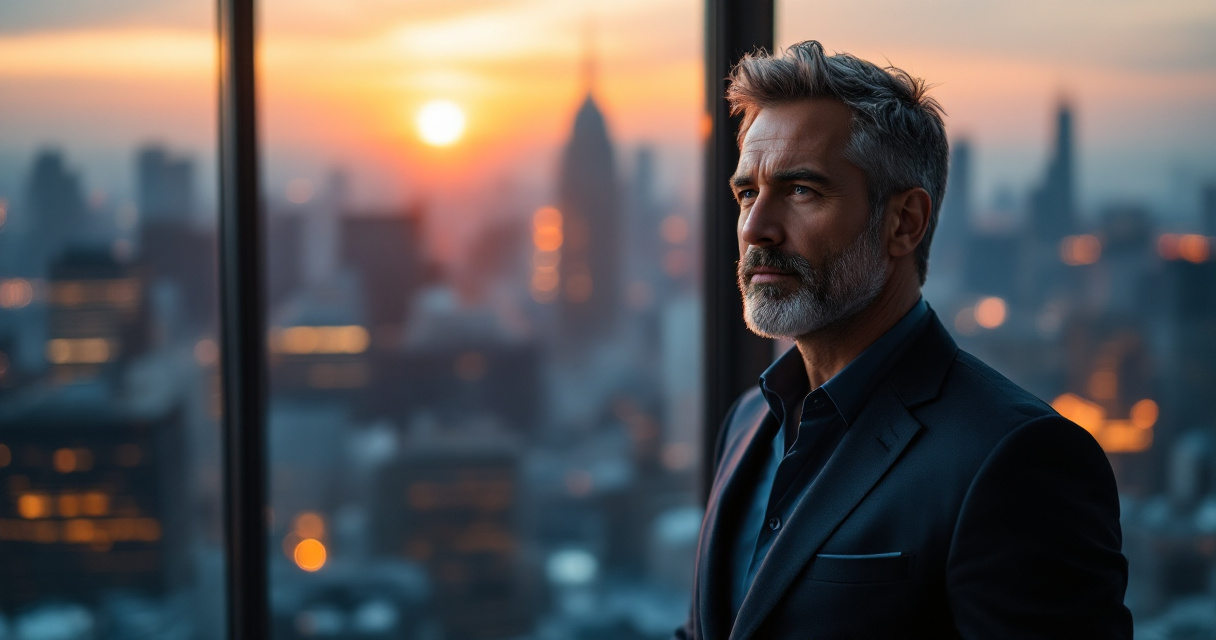
Unlike corporate headshots, executive portraits allow more creative control. Photographers adjust lighting, composition, and posture to highlight presence and confidence.
Executive portraits focus on leadership identity rather than company uniformity.
Senior leaders often choose settings that reinforce their role, such as boardrooms, city skylines, or branded offices.
Common Characteristics of Executive Headshots
- Dramatic or directional lighting
- Slightly wider framing that may include posture or environment
- Confident, direct eye contact
- Premium wardrobe styling
- Higher production quality for media or press usage
Executives building a strong personal brand frequently combine headshots with other visual assets, including presentation slides and promotional content. Tools such as a pitch deck slide generator for startups can complement executive imagery when preparing investor presentations.
Side-by-Side Comparison: Executive vs Corporate Headshots
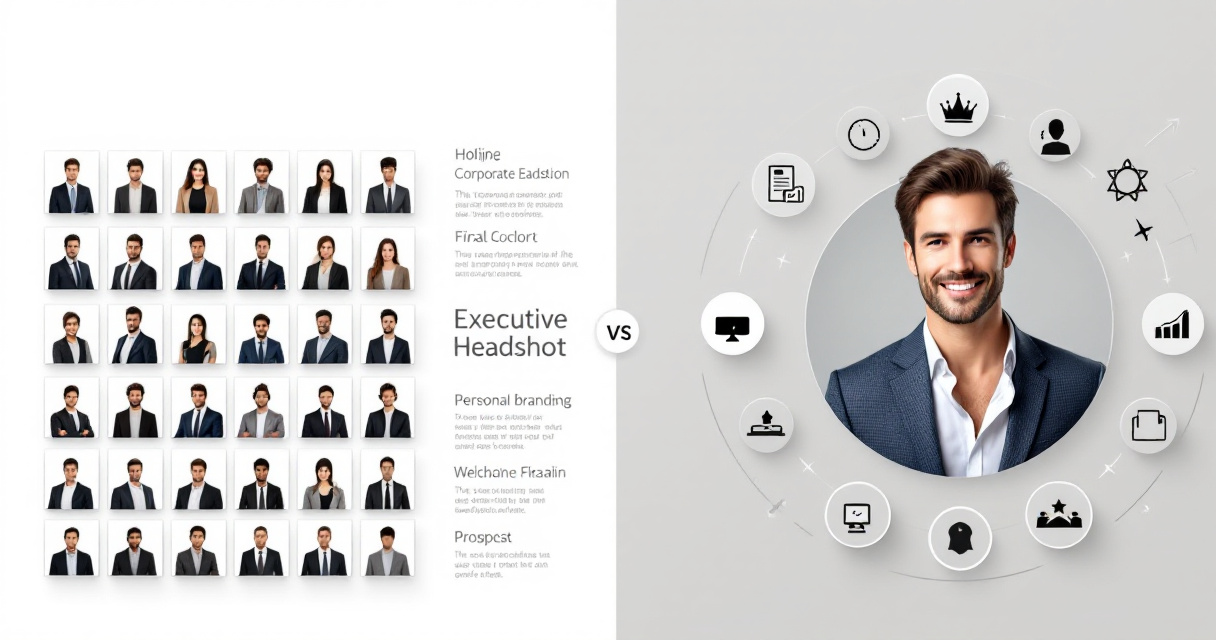
Confusion often happens because both styles involve professional portraits. The real difference lies in purpose, audience, and branding strategy.
Direct Comparison of Both Headshot Types
| Category | Executive Headshot | Corporate Headshot |
|---|---|---|
| Main Purpose | Personal leadership branding | Team consistency |
| Audience | Investors, media, partners | Clients, colleagues, HR |
| Style | Creative, personality driven | Standardized and uniform |
| Background | Office, lifestyle, or environmental | Neutral or branded backdrop |
| Lighting | Dramatic, cinematic | Even, soft, consistent |
| Typical Users | CEOs, founders, public speakers | Employees, managers, staff |
Competitor photography guides often mention wardrobe and posture differences, but fewer explain the strategic goal. Corporate photos strengthen company identity, while executive portraits strengthen individual leadership identity.
Many founders now repurpose executive headshots across social media content. For example, you might combine an executive portrait with visuals from a LinkedIn post image generator when sharing leadership insights online.
Visual Techniques That Separate Executive Portraits From Corporate Photos
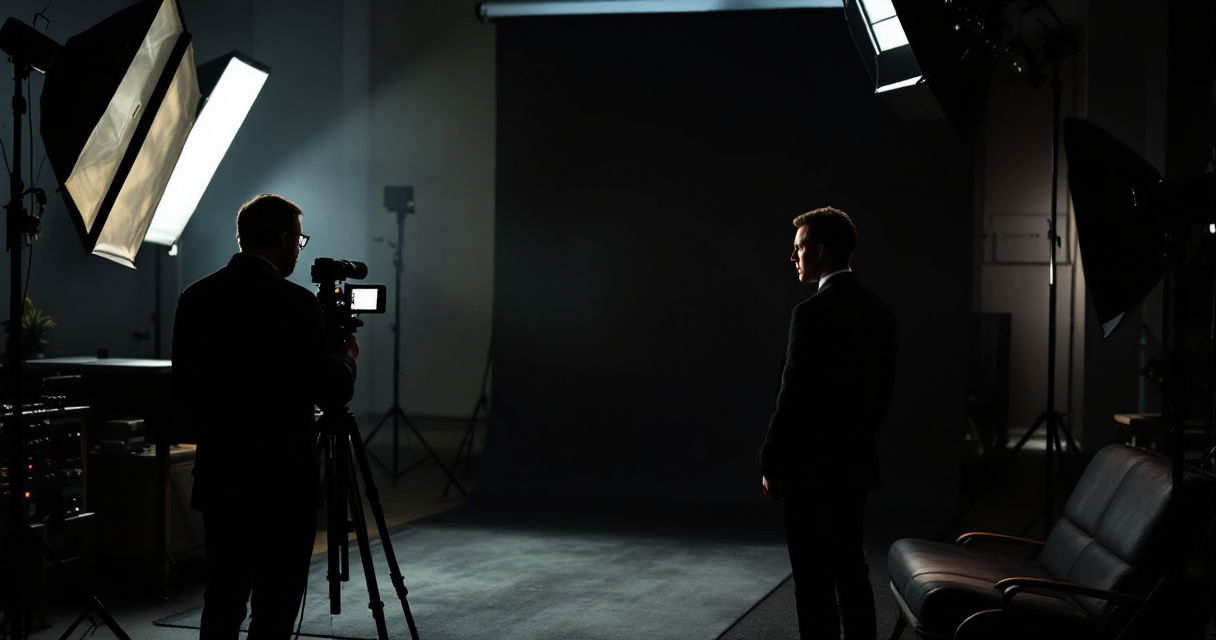
Lighting, framing, and body language make the biggest visual difference between the two headshot styles. Photographers use subtle technical choices to signal authority or professionalism.
Key Lighting Concepts Used in Professional Headshots
Lighting style often determines how powerful or approachable the image feels.
- Corporate headshots rely on soft, even lighting that reduces shadows and keeps everyone looking similar.
- Executive portraits often use directional lighting to create contrast and depth.
Body Language and Composition Differences
Corporate photos usually frame subjects straight-on with limited movement. Executives may stand at an angle, lean slightly forward, or adopt a relaxed but confident posture.
Photographers often apply the following techniques for executive portraits:
- Slight camera angle to create depth
- Controlled shadows for facial definition
- Wider crop that shows posture or environment
- Background blur to separate the subject
These techniques create the sense of presence often expected from senior leaders.
When You Should Choose Each Type of Headshot
Choosing the right headshot style depends on where the photo will appear and what message you want to send.
Best Use Cases for Corporate Headshots
- Company team pages
- LinkedIn employee profiles
- Internal directories
- Conference attendee listings
- Corporate email signatures
Best Use Cases for Executive Headshots
- Media interviews
- Investor pitch decks
- Speaker bios and event promotions
- Personal websites
- Book covers or thought leadership content
Professionals building a personal brand often need both. For example, a founder may use a corporate headshot on the company "About" page while using an executive portrait on their personal website.
Entrepreneurs also combine headshots with marketing visuals like YouTube thumbnails. Tools such as a YouTube thumbnail generator for Shopify creators help turn those portraits into branded content.
How AI and Digital Branding Are Changing Professional Headshots in 2026
The biggest shift in headshot creation is the rise of AI-assisted photography tools. Instead of scheduling expensive studio sessions, professionals now generate or enhance images digitally.
Research on machine learning applications by Daniel Hoang and Kevin Wiegratz (2022) shows that AI systems increasingly assist creative and financial decision-making tasks. The same technology now powers modern image generation tools.
Platforms such as The Looktara Lens combine AI editing with branding templates so professionals can quickly create consistent profile photos across platforms.
Emerging Headshot Trends
- AI-generated backgrounds for location flexibility
- Dynamic profile images optimized for different platforms
- Automated brand color matching
- Multi-format exports for LinkedIn, websites, and media kits
These tools also help entrepreneurs produce other visual assets, from a website hero banner generator to social graphics, without hiring a full design team.
In 2026, the difference between a good headshot and a powerful one often comes down to how well it integrates into your overall digital brand.
Conclusion
Executive headshots and corporate headshots may share the same format, but they serve different strategic goals. Corporate headshots build consistency and professionalism across a company, while executive headshots highlight leadership presence and personal branding. Choosing the right style depends on your role, your audience, and where the image will appear.
If you are updating your LinkedIn profile, launching a company website, or preparing media materials, invest in a photo style that matches your professional positioning. Tools like The Looktara Lens make it easier than ever to create polished headshots, marketing visuals, and branded content from a single platform. Explore The Looktara Lens to generate professional headshots and visual assets that strengthen your personal brand today.