
Professional headshots once required a studio appointment, lighting equipment, and hundreds of euros. In 2026, many professionals in Germany are creating studio-quality portraits with AI in minutes. The emerging "Germany professional portrait AI style" focuses on clean lighting, natural facial detail, and polished corporate aesthetics that work well for LinkedIn, CVs, and personal branding. Platforms like The Looktara Lens now allow users to generate realistic portraits from a few selfies, removing the cost and scheduling barriers that come with traditional photography.
What "Germany Professional Portrait AI Style" Actually Means
The phrase Germany professional portrait AI style refers to AI-generated headshots that match the visual standards commonly used in German professional settings. These images aim to replicate corporate portrait photography used for LinkedIn profiles, resumes, company websites, and speaking engagements.
Germany has strong expectations around professionalism and visual credibility. Headshots typically use neutral backgrounds, natural lighting, and minimal editing. AI portrait systems try to replicate these traits automatically.
The goal is simple: create a portrait that looks like it was captured by a professional photographer in a studio, even though it was generated by AI.
Modern AI portrait generators analyze facial features from uploaded photos, then recreate them in different lighting setups, clothing styles, and backgrounds. This process is similar to how portrait retouching tools such as PortraitPro, released in 2006, automated facial editing using algorithms.
Common Visual Traits of German Professional Portraits
AI models trained on professional photography datasets often reproduce these consistent features:
- Neutral or softly blurred backgrounds
- Even studio lighting with minimal shadows
- Business attire such as blazers or formal shirts
- Natural skin tones with subtle retouching
- Straight posture and forward-facing composition
Comparison: Traditional vs AI Professional Portraits
| Feature | Traditional Studio Portrait | AI Portrait Generator |
|---|---|---|
| Cost | Often €100 to €400 | Often under €50 |
| Time required | Scheduling plus editing | Usually minutes to an hour |
| Outfit options | Limited to what you bring | AI can simulate different styles |
| Backgrounds | Studio setups | Multiple digital backgrounds |
| Revisions | Requires reshoot | New images generated instantly |
Tools like The Looktara Lens focus on creating this same studio aesthetic while allowing users to generate dozens of variations quickly.
How AI Generates Professional Portraits From Simple Selfies
AI portrait systems rely on machine learning models trained on large image datasets. These models learn how lighting, facial proportions, and camera angles combine to create realistic portraits.
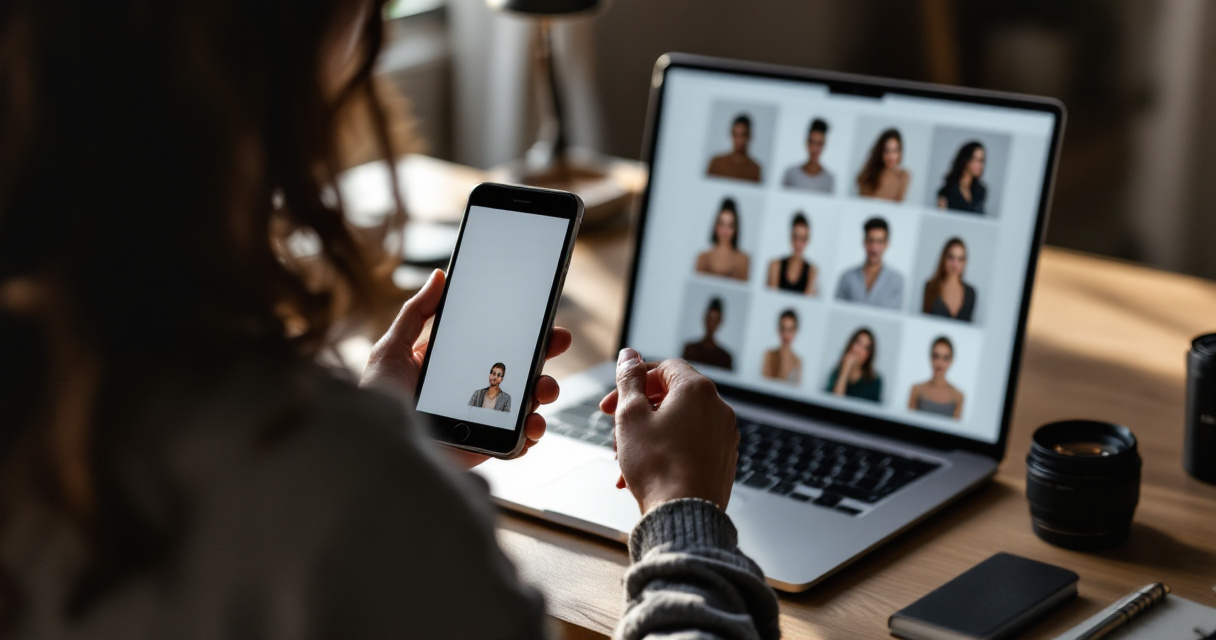
Research on AI literacy and prompt engineering shows that understanding how to guide AI systems improves output quality. A 2024 study by Yoshija Walter examined how learning to craft effective prompts helps users work more successfully with AI tools in creative workflows. Read the research here: AI literacy and prompt engineering study.
That concept applies directly to portrait generation. Clear prompts and quality input images lead to better results.
Typical AI Portrait Generation Workflow
- Upload 10 to 20 selfies with different angles.
- The AI analyzes facial structure and lighting patterns.
- The system trains a temporary model of your face.
- New portraits are generated with professional lighting and backgrounds.
- You select the best images for LinkedIn or business use.
Features Users Expect From Modern AI Portrait Tools
- Background replacements that mimic corporate offices
- Outfit generation such as suits or blazers
- Lighting simulation for studio-quality results
- High-resolution export for resumes or company pages
- Multiple style options in a single session
Many professionals combine portrait generation with other branding visuals. For example, entrepreneurs often pair a new headshot with a presentation deck created using a pitch deck slide AI generator or a website banner created with a landing page banner AI generator.
This approach keeps branding visuals consistent across platforms.
The Problem With Many AI Portraits and How New Tools Solve It
Early AI portrait generators produced images that looked overly artificial. Faces sometimes appeared symmetrical to an unnatural degree, or lighting looked digitally painted instead of photographic.
Researchers studying the risks of large AI models warn that automated systems can introduce inaccuracies or distortions when generating content. A 2022 analysis on AI system risks discussed how generative models sometimes create outputs that appear realistic but contain subtle flaws. See the study here: Taxonomy of Risks posed by Language Models.
Portrait generation tools have improved rapidly since then, especially in 2024 through 2026.
Most Common AI Portrait Problems
- Unnatural skin smoothing
- Incorrect hand or shoulder shapes
- Clothing textures that look synthetic
- Background blur that appears artificial
Improvements in Modern Portrait Generators
Developers are solving these issues using several techniques:
- Training models on real studio photography datasets
- Adding face identity verification during generation
- Improving lighting simulation engines
- Allowing manual prompt adjustments
Platforms like The Looktara Lens platform focus on generating portraits that match real photography lighting conditions rather than stylized AI art.
The best AI portraits today look less like digital illustrations and more like studio photography captured with professional cameras.
Users also benefit from integrated visual tools that support full branding packages. For example, creators who generate professional portraits often produce promotional graphics using tools such as an Instagram and Facebook ad AI generator or a YouTube thumbnail AI generator.
This creates a consistent visual identity across profiles and marketing materials.
Who Uses AI Professional Portraits in Germany Today
The demand for AI-generated portraits has expanded beyond tech workers. Professionals across many industries now use them because they are faster and cheaper than traditional photography.
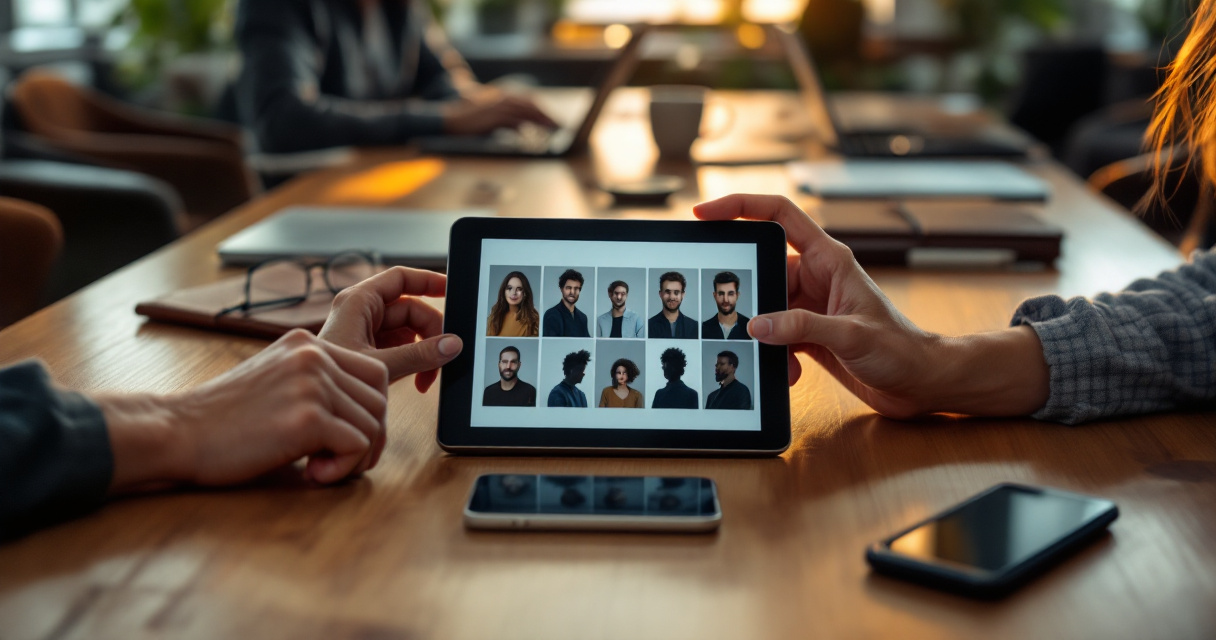
Germany, officially the Federal Republic of Germany, has one of Europe's largest professional workforces, and online profiles play a major role in hiring and networking. Strong headshots improve credibility across platforms such as LinkedIn and company websites.
Top User Groups Creating AI Portraits
- Job seekers updating LinkedIn and CV photos
- Startup founders building investor profiles
- Freelancers marketing their services
- Remote workers needing professional avatars
- Content creators building personal brands
Typical Use Cases for AI Headshots
| Use Case | Why AI Portraits Help |
|---|---|
| LinkedIn profiles | Creates a polished first impression |
| Company team pages | Ensures consistent visual style |
| Conference speaker bios | Fast updates for events |
| Resume headshots | Professional look without studio cost |
| Social media branding | Consistent profile photos |
For job seekers, tools like the resume headshot AI generator allow quick generation of corporate-style images designed specifically for CVs and recruitment platforms.
The result is a professional look that matches modern hiring expectations without needing a photographer.
What to Expect From AI Portrait Technology by 2027
AI portrait generation continues to evolve quickly. Improvements in generative image models are already making portraits more realistic and customizable.
Several trends are likely to shape the Germany professional portrait AI style over the next few years.
Key Trends Shaping AI Portraits
- Hyper-realistic lighting simulation
- Real-time portrait generation from video frames
- Personalized corporate brand styles
- Integration with professional networking platforms
Emerging Features Already Appearing in AI Tools
- Automatic outfit generation tailored to industry roles.
- Smart background selection based on professional context.
- Multi-platform export for LinkedIn, company websites, and speaking profiles.
- AI assistants that suggest the most trustworthy headshot.
Another major development is the rise of full AI branding suites. Instead of generating just one photo, platforms now create entire visual packages that include presentation slides, social graphics, and marketing assets.
This integrated approach is exactly what tools like The Looktara Lens are building toward. Users can generate professional portraits and then expand that identity into marketing visuals, presentations, and content graphics across multiple platforms.
Expect AI portrait generation to shift from single images to complete digital identity packages.
Conclusion
Professional photography in Germany is evolving fast. AI portrait generators now produce realistic headshots that rival traditional studio photography while removing the cost and scheduling barriers that once made professional photos difficult.
The Germany professional portrait AI style focuses on clean lighting, natural expressions, and polished corporate aesthetics that work across LinkedIn profiles, resumes, and personal brands. With the right AI tool, a few selfies can turn into dozens of professional portraits ready for business use.
If you want to try it yourself, start with The Looktara Lens. The platform allows you to generate professional headshots and expand them into a complete visual identity with AI-powered design tools. Upload a few photos, experiment with styles, and build a professional image that works across every platform where your career appears.
Generated by EarlySEO.com