
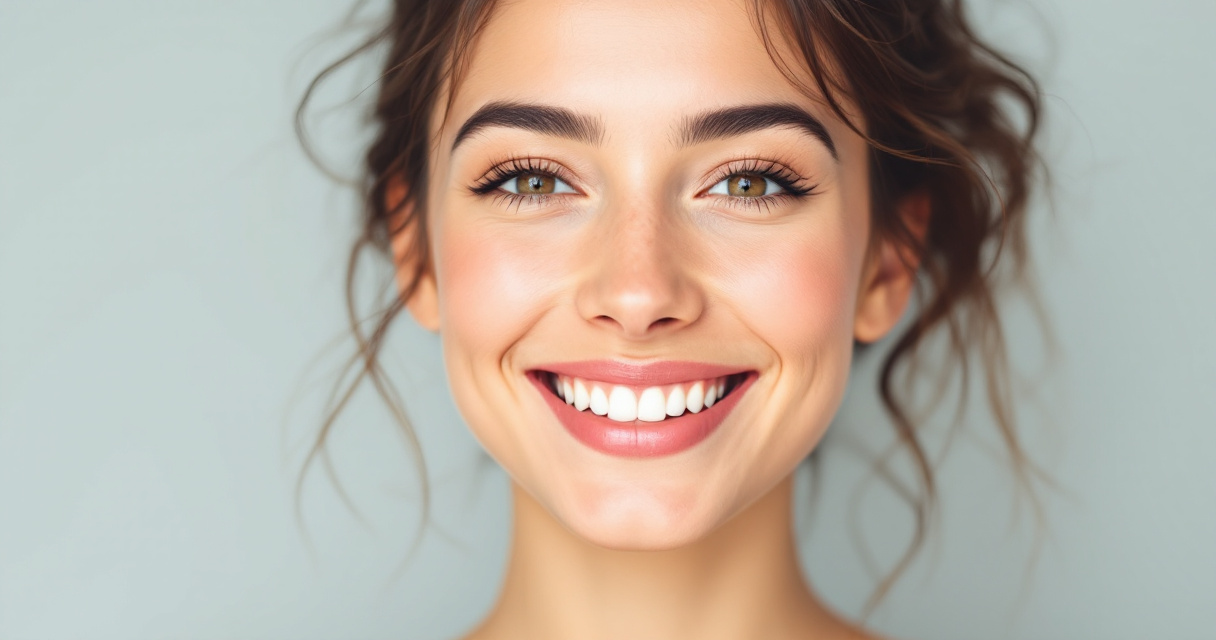
How to Smile Naturally in Headshot Photos: 7 Proven Techniques for Authentic Expressions
Your smile makes or breaks a headshot. Research in neuroscience shows that humans detect fake smiles within milliseconds, triggering an unconscious distrust response. That stiff, forced grin you've been practicing in the mirror? It's working against you.
The difference between a forgettable LinkedIn photo and one that earns trust comes down to one thing: authenticity. Whether you're updating your professional profile, building your personal brand, or creating dating app photos, a genuine smile communicates warmth, competence, and approachability.
Here's the problem: telling someone to "smile naturally" rarely works. The moment you become aware of your expression, it feels staged. This guide breaks down seven specific techniques that professional photographers and portrait subjects use to capture real smiles every time. Tools like The Looktara Lens can help you practice these expressions before your actual shoot, but the fundamentals start with understanding what makes a smile look genuine in the first place.
Why Most Headshot Smiles Look Fake
A genuine smile involves more than your mouth. It requires the coordinated activation of two muscle groups: the zygomatic major (which pulls your lip corners upward) and the orbicularis oculi (the muscles around your eyes that create crow's feet).

When you force a smile, only your mouth moves. Your eyes stay flat and lifeless. Psychologist Paul Ekman called authentic expressions "Duchenne smiles" after the French neurologist who first documented this phenomenon. Without eye involvement, viewers perceive the expression as insincere.
The eyes are the giveaway. A smile that doesn't reach the eyes registers as deceptive to observers, even when they can't articulate why.
This explains why you might hate photos where you thought you were smiling perfectly. The camera captures what your conscious mind misses.
The Science Behind Authentic Expressions
According to research published in Neuroscience & Biobehavioral Reviews (Eslinger et al., 2021), social feelings and facial expressions are processed through complex neural pathways. Your brain's ability to produce authentic expressions connects directly to emotional states, not voluntary muscle control.
This means you can't simply "decide" to look genuine. You need to actually feel something positive during the shoot. The techniques below work because they bypass conscious control and trigger real emotional responses.
Common Mistakes That Create Stiff Photos
Most people sabotage their headshots before the camera even clicks:
- Holding your breath: Creates tension throughout your face and body
- Thinking about your appearance: Activates self-consciousness and freezes natural movement
- Smiling too early: Maintaining an expression for more than a few seconds makes it deteriorate
- Ignoring your posture: Hunched shoulders transfer stress to facial muscles
- Practicing in mirrors: Creates an artificial, performed quality
Conclusion
Natural smiles in headshots come from genuine emotional responses, not muscle control. The seven techniques above work because they bypass your self-conscious mind and trigger real feelings that show on your face.
Start practicing today:
- Record yourself trying different mental images to find your most natural triggers
- Practice the breath-smile timing sequence until it becomes automatic
- Prepare your conversation topics and jokes before any professional shoot
For those exploring AI-generated headshots, platforms like The Looktara Lens have evolved to capture more natural expressions than early AI tools, which often produced that uncanny stiffness. Whether you're working with a photographer or using AI photography tools, these fundamental techniques apply.
Your next headshot doesn't have to feel like a performance. When you understand what creates genuine expressions and prepare the right mental triggers, you'll finally see in photos what others see in person: an authentic, approachable you.