
A professional photoshoot once meant booking a photographer, renting a studio, and spending hundreds of dollars. In 2026, many professionals generate studio-quality photos in minutes using AI. One tool gaining attention is The Looktara Lens, an AI-powered photography platform designed to create realistic headshots and branded visuals without traditional equipment. For job seekers, entrepreneurs, and creators who need polished images quickly, this shift is changing how personal photography works.
Why AI Photography Tools Are Growing Rapidly
Photography, defined by Wikipedia as the art and practice of creating images by recording light through sensors or light‑sensitive materials, has evolved dramatically with artificial intelligence. Instead of capturing a single moment through a camera lens, modern tools can generate entirely new images using trained AI models.
A 2024 report from McKinsey on generative AI estimated that creative production tasks such as image editing and design could see productivity gains of 30–40 percent through automation. Photography platforms using AI models are part of that shift.
Professionals increasingly want faster content creation for:
- LinkedIn and resume headshots
- Personal branding photos
- Social media content
- Dating profile pictures
- Marketing visuals
Traditional photoshoots still offer value, but AI tools reduce time and cost. Platforms like The Looktara Lens focus on personal image generation, allowing users to upload a small set of photos and generate many studio-quality variations.
According to Stanford's 2024 AI Index, generative AI tools for visual media have grown faster than any other consumer AI category in the last three years.
This rapid growth explains why AI photography tools are becoming common across business, recruiting, and creator industries.
Photography vs AI Image Generation
Traditional photography depends on cameras, lighting setups, and location. AI tools simulate those factors digitally.
| Feature | Traditional Photography | AI Photography Tools |
|---|---|---|
| Equipment | Cameras, lighting, studio | AI model + uploaded images |
| Time required | Hours or days | Minutes |
| Cost | $150 to $1000+ per shoot | Often under $50 |
| Output variety | Limited poses | Dozens of generated styles |
| Editing | Manual retouching | Automated generation |
AI photography does not fully replace human photographers, but it fills a growing need for fast professional images.
What Makes Looktara a Standout AI Photography Tool
Many AI headshot generators exist in 2026, but quality varies widely. Competitor analysis shows a common complaint: AI photos often look artificial or inconsistent.
Looktara focuses on solving those issues by training a personalized model from a small photo dataset. After uploading around 10–15 photos, the system generates highly realistic portraits in different environments and styles.
Key strengths often mentioned in user reviews include:
- High realism compared with generic AI portrait tools
- Fast image generation, usually within minutes
- Multiple professional backgrounds such as offices or studios
- Consistent facial identity across images
- Ready-to-use formats for LinkedIn and resumes
A practical example is the AI resume headshot generator, which helps professionals create LinkedIn-ready portraits without scheduling a photoshoot.
AI headshot platforms succeed when they maintain identity consistency. That is the hardest technical challenge in generative portrait models.
How Looktara Compares With Other AI Headshot Tools
| Tool | Key Focus | Typical Output Quality | Generation Speed |
|---|---|---|---|
| Looktara | Personal AI photographer | High realism | Minutes |
| Aragon AI | Business headshots | Good but limited styles | 30–60 minutes |
| Secta AI | Corporate portraits | Professional look | Medium speed |
| Artisse AI | Lifestyle portraits | Strong creative styles | Moderate |
Artisse AI, for example, uses generative AI to transform selfies into lifestyle images, but tools like Looktara concentrate more on professional identity photos.
That focus makes Looktara attractive for job seekers and entrepreneurs who need credible, natural-looking portraits.
Step‑by‑Step: How AI Photo Generation Works
Understanding the process helps explain why AI photography tools produce convincing results.
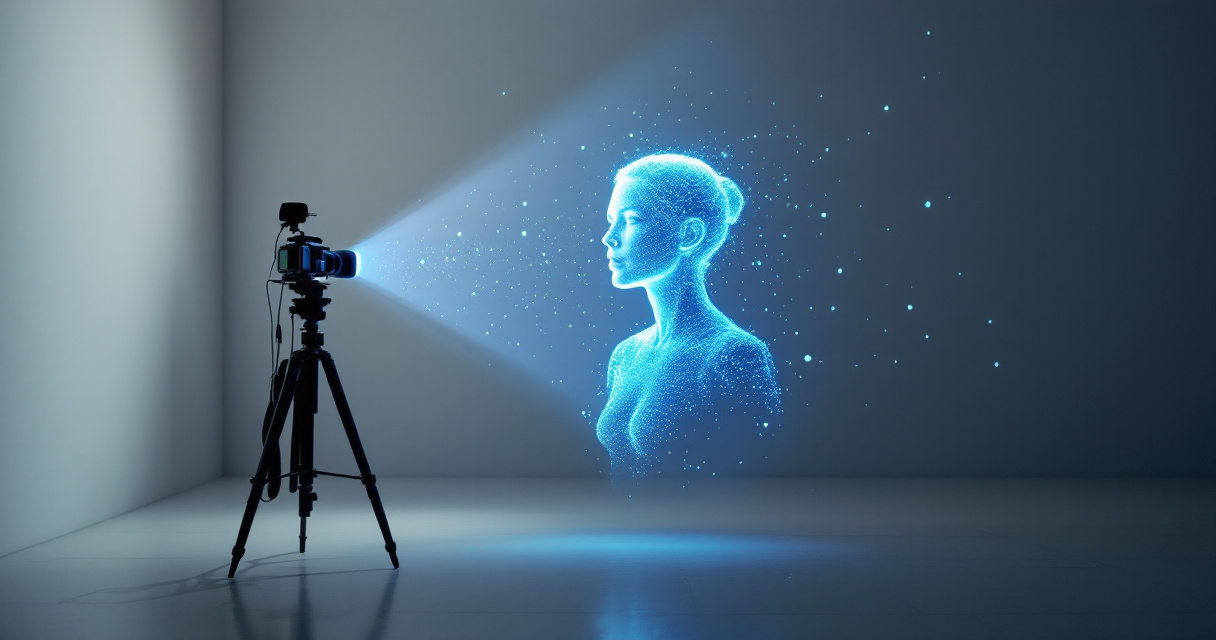
Most systems follow a similar pipeline:
Typical AI Photography Workflow
- Upload reference photos
- Train a personal AI model
- Choose style or environment
- Generate multiple images
- Download and refine
Platforms like The Looktara Lens platform automate these steps, reducing what once required professional editing skills.
Why Training a Personal Model Matters
Generic AI portrait tools often fail because they rely on stock datasets. Personal models train on your facial structure, lighting variations, and angles.
Benefits include:
- Higher identity accuracy
- More natural skin tones
- Consistent facial features
- Better lighting realism
This approach is similar to techniques used in modern generative AI models such as Google Gemini, which rely on large neural networks trained on vast datasets.
Built-In AI Design Tools Beyond Headshots
One area where Looktara expands beyond simple photography is its collection of AI design tools. Instead of generating only portraits, users can create visual assets for social media and branding.
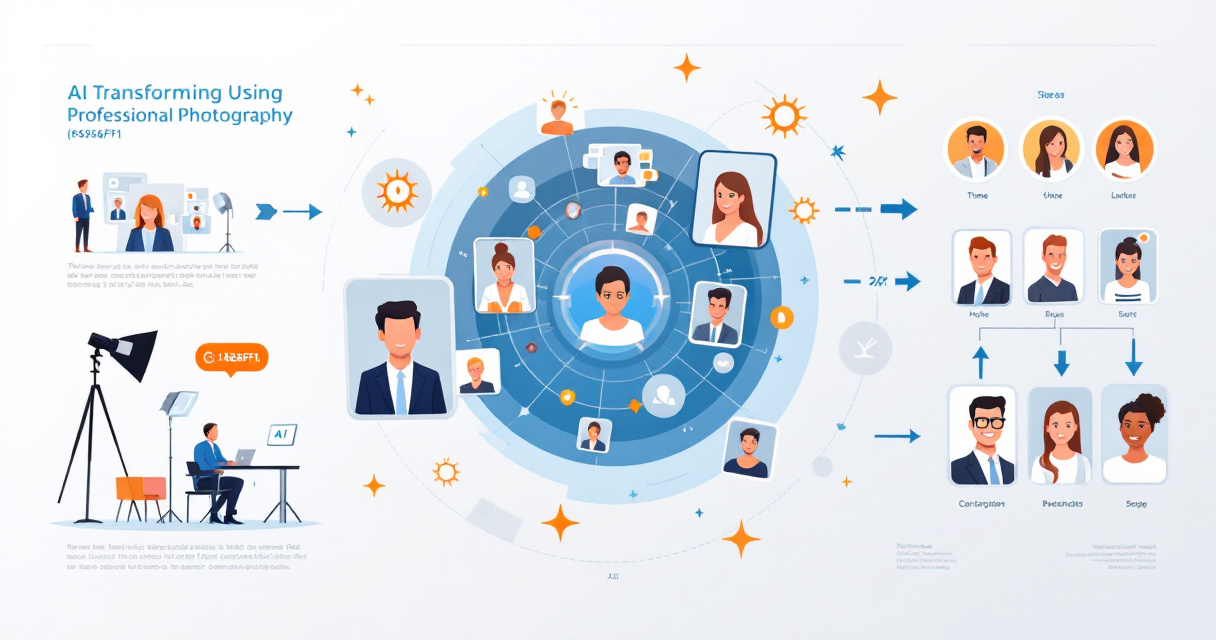
These tools help creators turn photos into marketing graphics quickly.
Examples include:
- Social media banners
- YouTube thumbnails
- Website hero images
- Digital ads
- Ebook covers
For example, content creators can generate branded channel visuals using the AI YouTube thumbnail generator or create marketing visuals with the AI website hero image generator.
Businesses building social content can also design graphics using the AI TikTok banner generator or branded visuals through the AI Instagram flyer generator.
This combination of photography and graphic generation makes the platform useful beyond personal portraits.
Why Multi‑Purpose AI Image Tools Matter
Creators often juggle several tools: photo editors, design apps, and social media generators. AI platforms that combine those tasks reduce workflow complexity.
Advantages include:
- Faster content creation
- Consistent branding across platforms
- Lower software costs
- Minimal design skills required
For freelancers and solo entrepreneurs, that efficiency matters more than having dozens of separate apps.
AI Image Editing Tools That Speed Up Content Creation
Beyond generation, modern photography tools also include editing utilities that remove common design tasks. Competitor analysis shows users frequently search for simple functions like cropping, resizing, or background removal.
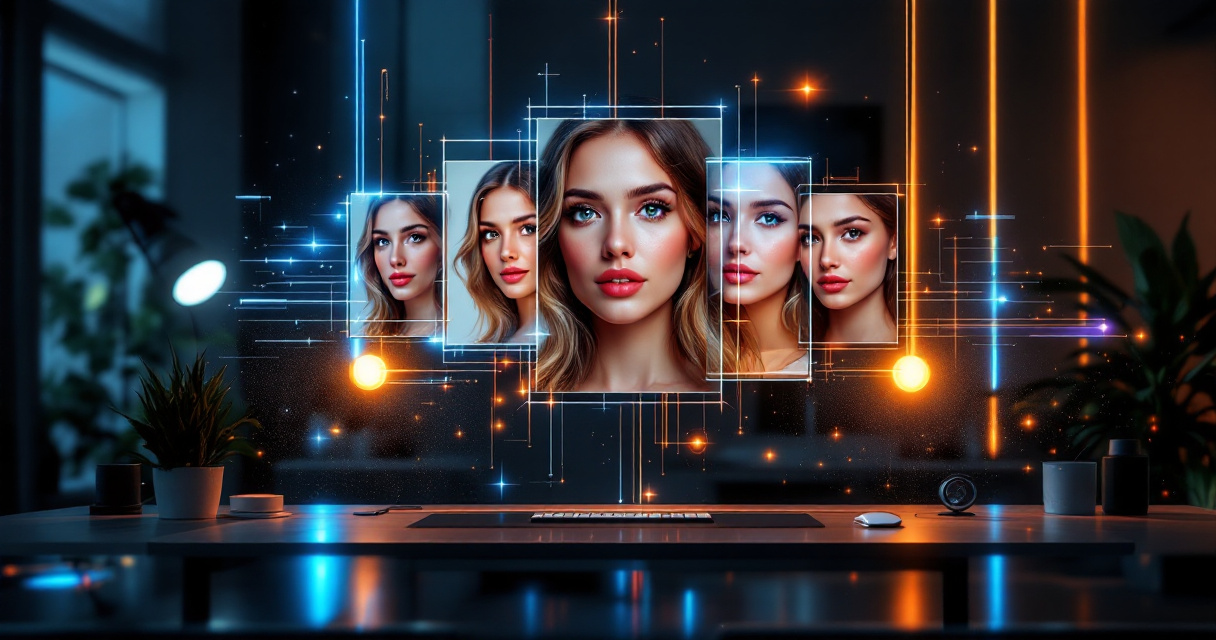
These tools remove friction from image publishing.
Typical built‑in features include:
- AI image cropping for social media formats
- Automatic background removal
- Smart resizing for different platforms
- File compression without quality loss
- Text placement behind subjects
For creators publishing across LinkedIn, TikTok, and YouTube, these features can save hours of manual editing.
AI Editing Tools Compared With Traditional Software
| Task | Traditional Tools (Photoshop etc.) | AI Tools |
|---|---|---|
| Background removal | Manual selection | One-click |
| Image resizing | Manual export settings | Auto format detection |
| Lighting correction | Multi-step editing | Automatic enhancement |
| Social media formatting | Custom templates | Prebuilt sizes |
Traditional editing software still offers deeper control. Still, AI tools dramatically speed up everyday image tasks.
Video Example: AI Editing Tools in Action
The AI photography space changes quickly. Tools evolve every year as generative models improve.
AI Image Editing Tool Comparison
The video highlights how AI tools analyze lighting, texture, and composition automatically. These capabilities also influence portrait generation tools such as Looktara.
What to Expect From AI Photography Tools by 2027
Generative image technology is improving rapidly. Several developments are likely in the next two years.
Experts in generative AI research expect improvements in:
- Real-time photo generation
- Video avatar creation
- Fully interactive AI photoshoots
- Personalized style training
- 3D identity modeling
A research paper published through OpenAlex datasets in 2025 notes that diffusion models, which power many AI image tools, continue improving image realism and identity preservation.
Future AI photography tools may simulate entire studio environments digitally, removing the need for cameras in many professional scenarios.
Platforms that already focus on personal models and multi-format image creation are positioned well for this shift.
Conclusion
Professional photography is no longer limited to expensive studios or scheduled shoots. AI platforms now generate realistic portraits, branding images, and social media visuals in minutes. Tools like The Looktara Lens combine personalized portrait generation with practical design features, making them useful for job seekers, creators, and entrepreneurs who need consistent visuals.
If you want studio‑style images without hiring a photographer, explore The Looktara Lens and test how AI-generated portraits can upgrade your professional profile, brand, or social media presence.