

Patients often decide whether they trust a doctor before the first appointment, and surprisingly, a profile photo plays a big role. A 2023 healthcare marketing report from PatientPop found that over 70% of patients review a physician's online profile before booking a visit. One image, usually a doctor headshot in a white coat, becomes the visual signal of professionalism, authority, and approachability. In modern healthcare branding, that photo appears everywhere: LinkedIn, hospital websites, conference bios, and telehealth platforms. Today many professionals also generate or refine images digitally using tools like The Looktara Lens, which helps professionals create polished headshots quickly. This guide explains what makes a strong medical headshot, how to photograph one properly, and how doctors can adapt their professional image for modern digital platforms.
Why the White Coat Still Defines a Doctor's Professional Image
The white coat remains one of the most recognizable symbols in medicine. Historically introduced in the late 19th century to represent cleanliness and scientific credibility, it still shapes how patients perceive physicians today.
According to research on medical symbolism discussed in academic health narratives such as Ageing Masculinities, Alzheimer's and Dementia Narratives (Hartung et al., 2021), professional attire contributes to patient perceptions of authority and competence. A simple portrait of a physician wearing a white coat communicates clinical expertise before a single word is spoken.
A medical doctor, or physician, is a health professional who practices medicine to maintain or restore health through diagnosis, treatment, and prevention of disease, according to Wikipedia's definition of medical practitioners.
Because healthcare is built on trust, the doctor's visual identity matters. Hospitals and clinics increasingly treat professional headshots as part of their brand guidelines.
Why Patients Trust Doctors Who Look Professional
Several visual cues influence patient perception:
- Clean white coat and visible stethoscope
- Neutral background and soft lighting
- Friendly facial expression
- Eye contact with the camera
- Minimal distractions in clothing or accessories
These details might seem small, but together they shape credibility. For doctors building online profiles, a polished headshot can significantly improve profile engagement and appointment conversions.
What Makes a Great Medical Professional Headshot
A successful doctor headshot combines professional presentation with a sense of warmth. Medical photography agencies often follow strict composition standards for healthcare portraits.
Key Visual Elements in Doctor Headshots
The following components consistently appear in high performing medical headshots used by hospitals and professional directories.
Essential Components of a Professional Doctor Portrait
| Element | Best Practice | Why It Matters |
|---|---|---|
| Clothing | White coat over professional attire | Reinforces authority and medical identity |
| Background | Neutral white, grey, or clinic environment | Keeps focus on the physician |
| Lighting | Soft diffused light | Reduces shadows and enhances clarity |
| Expression | Natural smile or calm expression | Builds patient trust |
| Framing | Head and shoulders crop | Works across websites and profiles |
Large stock platforms such as Shutterstock and Adobe Stock contain hundreds of thousands of similar portraits, showing how standardized this visual format has become.
Lighting and Composition Tips for Clinics
Medical photography typically uses three-point lighting or soft natural light. The goal is clarity rather than dramatic style.
Recommended setup:
- Face a window or soft light source.
- Use a neutral wall or clinic background.
- Position the camera slightly above eye level.
- Keep the white coat clean and pressed.
Doctors who cannot access professional photography studios often turn to AI-assisted portrait tools like The Looktara Lens platform, which can generate professional-quality headshots optimized for profiles and websites.
Where Doctor Headshots Are Used in Modern Healthcare Profiles
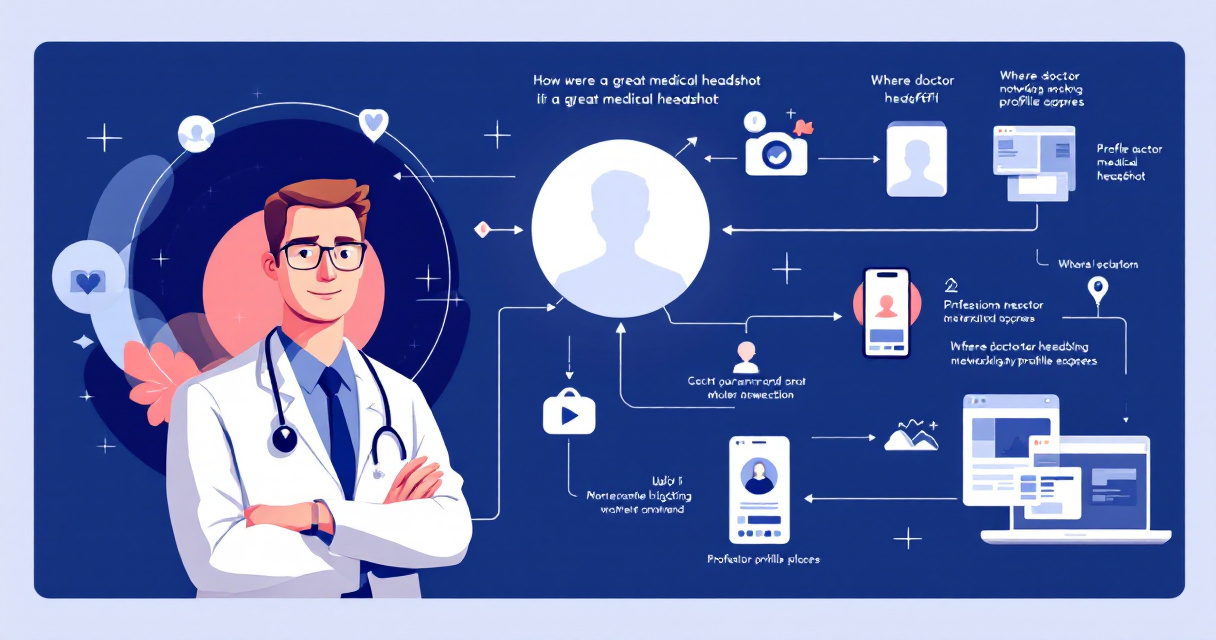
A single professional portrait now appears across many digital touchpoints. Healthcare organizations maintain consistent imagery across these platforms to strengthen recognition and trust.

Major Platforms That Require Professional Medical Headshots
- Hospital and clinic websites
- LinkedIn professional profiles
- Telemedicine platforms
- Medical conference speaker bios
- Research publication pages
- Patient review sites
Doctors often need multiple image sizes for these platforms. Tools such as an AI-powered resume headshot generator for professional profiles can automatically format headshots for different platforms.
Example of Professional Storytelling Through Video
Medical professionals increasingly combine headshots with video storytelling. Short profile videos help patients connect with doctors before an appointment.
Example Professional Story Video
Video content is becoming a standard part of digital medical profiles, especially for hospital marketing teams.
Step-by-Step Process to Capture a High-Quality Doctor Headshot
Creating a professional medical headshot does not always require a full studio. Many excellent physician portraits are captured using simple setups.
Step-by-Step Photography Guide
Choose a neutral background White or light grey backgrounds remain the industry standard for medical portraits.
Wear a clean white coat Include a visible collar shirt or professional attire underneath.
Use soft lighting Natural daylight works well if positioned in front of the subject.
Frame the image properly Crop from chest or shoulders upward to keep focus on the face.
Edit lightly Adjust brightness and color but avoid excessive filters.
Quick Checklist Before Taking the Photo
- White coat is wrinkle-free
- Stethoscope optional but clean
- Hair and grooming professional
- Neutral background
- Camera at eye level
Professionals who need fast results sometimes generate headshots digitally, then adapt them into marketing materials such as website banners using tools like a website hero image generator.
AI Headshot Tools and Digital Branding for Doctors
Healthcare professionals increasingly use AI image tools to create or enhance professional portraits. Companies such as Snappr introduced automated photography analysis tools, reflecting the growing role of AI in visual branding.
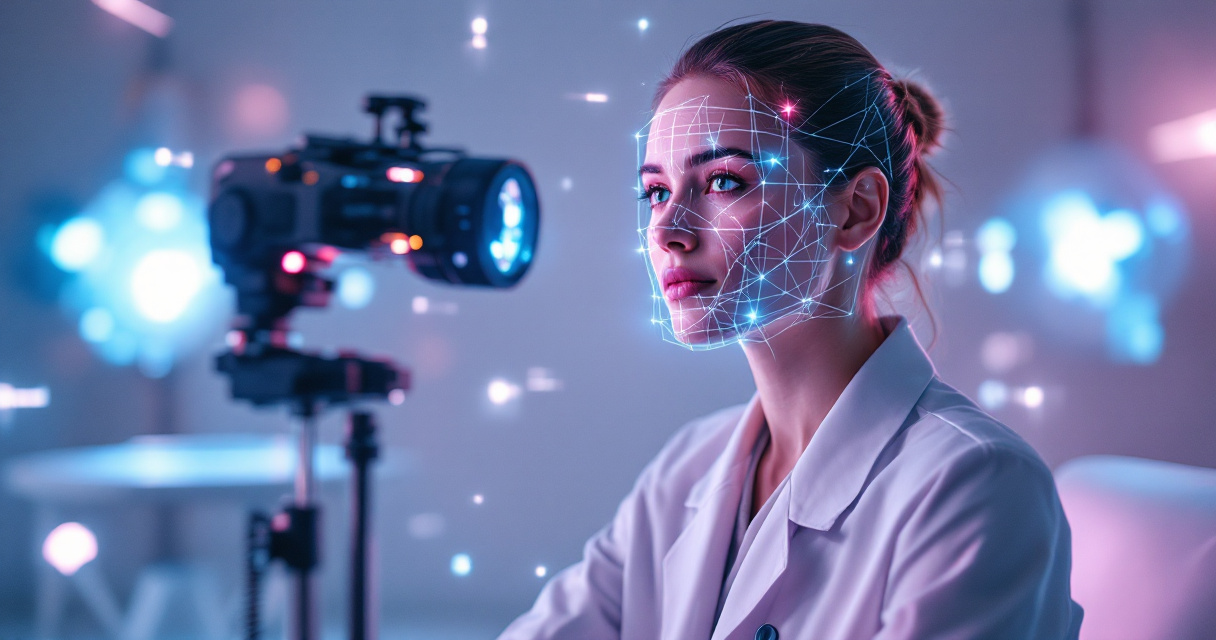
Modern AI platforms can:
- Improve lighting and color balance
- Replace backgrounds with clinical settings
- Create consistent photo formats
- Generate profile images from selfies
Using tools like The Looktara Lens helps doctors quickly produce headshots that match hospital branding requirements.
AI Visual Assets Doctors Often Need
Beyond headshots, physicians managing clinics or personal brands often create supporting visual content.
- Social media banners
- Educational graphics
- clinic website visuals
For example, medical educators who post online content sometimes design graphics using a LinkedIn post image generator or create visual quotes using a quote post creator for social media.
Common Mistakes That Ruin Doctor Headshots
Even experienced professionals sometimes upload photos that weaken their professional image. A poorly executed headshot can reduce credibility.
Frequent Problems in Medical Profile Photos
- Casual clothing instead of a white coat
- Distracting backgrounds
- Harsh lighting or shadows
- Cropped group photos
- Low resolution smartphone images
Patients associate image quality with professionalism. Blurry photos or casual selfies often signal lack of credibility.
Quick Fixes That Improve Headshots Instantly
- Use consistent lighting
- Maintain eye contact with the camera
- Keep backgrounds neutral
- Avoid heavy filters
Many clinics now maintain internal photo guidelines to prevent inconsistent staff portraits.
Future of Medical Headshots and Digital Identity (2026 and Beyond)
Healthcare branding continues to evolve as telemedicine and digital health platforms grow.
According to global physician workforce reports, millions of doctors worldwide maintain digital professional profiles, and that number continues to increase each year as telehealth expands.
Emerging Trends in Physician Visual Branding
- AI generated professional portraits
- Video profile introductions
- Interactive clinic profiles
- Consistent brand photography for healthcare teams
Many professionals now maintain personal branding across multiple platforms, combining a strong headshot with banners, thumbnails, and digital graphics.
For example, educational medical channels often create thumbnails using tools like a YouTube thumbnail generator for healthcare content to maintain visual consistency.
Doctors who adapt to these trends build stronger visibility online and attract more patient engagement.
Conclusion
A professional doctor headshot in a white coat does more than look good. It shapes how patients, hospitals, and colleagues perceive your expertise. With healthcare increasingly moving online, that single image often becomes your first impression across dozens of platforms.
Investing time in a polished medical headshot, whether through professional photography or digital tools, strengthens credibility and personal branding. Platforms like The Looktara Lens make it easier for doctors, healthcare entrepreneurs, and medical creators to produce high-quality portraits and visual assets without expensive studio sessions.
If your current profile photo looks outdated or casual, now is the right time to update it. Create a professional white-coat headshot, optimize it for your profiles, and present yourself online with the same professionalism you bring to patient care.