
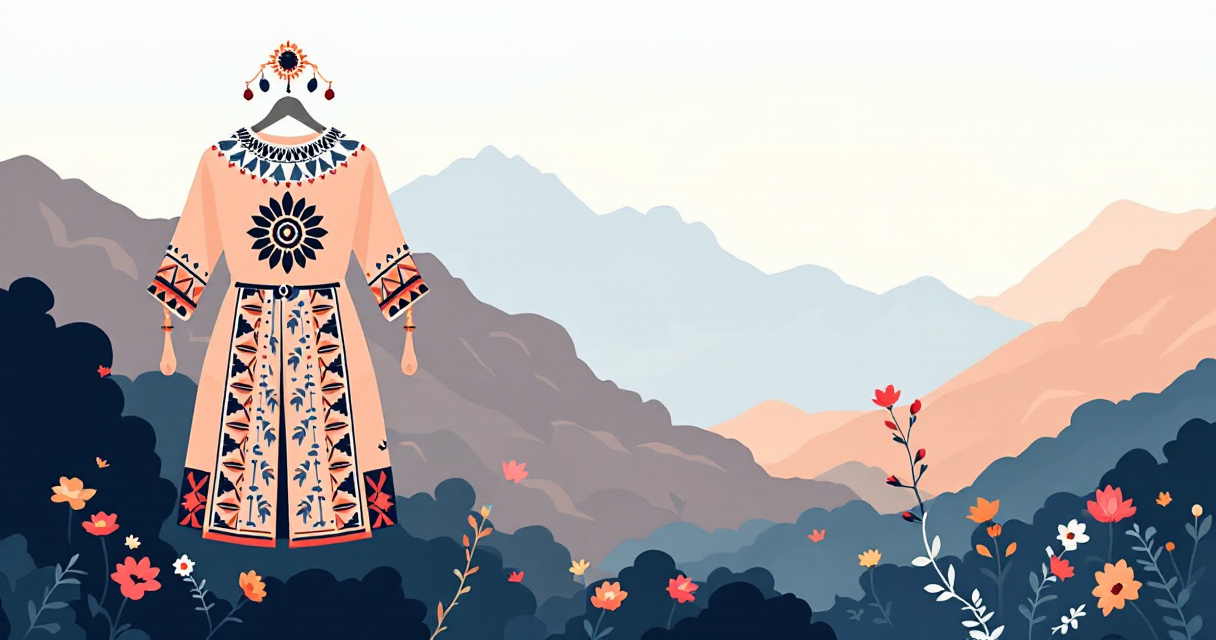
A few words in the right AI prompt can generate a photo that looks like it came from a professional cultural photoshoot. Modern AI image models now recreate detailed clothing textures, jewelry, and traditional fabrics with impressive accuracy. For creators, designers, and social media users, that means you can produce realistic Nepali cultural dress AI photos in minutes. Platforms such as The Looktara Lens make this process even easier by generating polished visuals for profiles, marketing assets, and creative projects. This guide explains how Nepali traditional clothing works, how to write strong prompts, and how to generate authentic AI images that actually look culturally accurate.
Understanding Nepali Traditional Dress Before Creating AI Images
Authentic AI images start with understanding the culture behind the clothing. Nepal has dozens of ethnic groups and regional styles, which means traditional outfits vary widely. However, several garments appear frequently in AI prompts and image generators.
According to cultural documentation summarized by Wikipedia and ethnographic studies, Nepali attire often reflects geography, religion, and ethnic heritage. For example, mountain communities prefer thicker fabrics and layered garments, while Terai regions use lighter textiles.
Cultural context improves AI output. The more detail you include about clothing, materials, and jewelry, the more realistic your generated image becomes.
Key Elements of Nepali Traditional Clothing
- Daura Suruwal: The national dress for Nepali men, featuring a closed shirt with side ties and tapered trousers.
- Gunyo Cholo: A traditional outfit worn by Nepali girls during cultural ceremonies.
- Sari and Haku Patasi: Common traditional clothing for women, especially among Newar communities.
- Dhaka topi: A patterned hat made from Dhaka fabric, often worn by men during formal occasions.
- Traditional jewelry: Items like Tilhari necklaces, Naugedi, and large gold earrings.
Understanding these elements helps you create prompts that generate culturally accurate visuals rather than generic "South Asian" clothing.
Common Nepali Cultural Outfits Used in AI Prompts
When generating AI images, certain traditional outfits consistently produce strong visual results because of their colors and textures.
Traditional Nepali Dress Examples
| Dress Style | Typically Worn By | Visual Characteristics | Best AI Prompt Keywords |
|---|---|---|---|
| Daura Suruwal | Men | Wrapped shirt, narrow pants, Dhaka topi | "Nepali man wearing daura suruwal, dhaka topi, traditional portrait" |
| Gunyo Cholo | Young women | Red sari style with blouse | "Nepali girl wearing gunyo cholo ceremony dress" |
| Haku Patasi | Newar women | Black sari with red border | "Newari woman wearing haku patasi traditional dress" |
| Bridal Nepali sari | Brides | Red silk with gold jewelry | "Nepali bride in red sari with gold jewelry, cultural portrait" |
Including clothing type, colors, and accessories dramatically improves AI accuracy.
Step‑by‑Step: How to Generate a Nepali Cultural Dress AI Photo
Most modern AI image tools follow the same basic process. The difference comes from the quality of your prompt and the level of visual detail you provide.
Simple 5‑Step Workflow
- Choose an AI image generator or creative platform.
- Write a detailed prompt describing the clothing and setting.
- Add style instructions such as "realistic portrait" or "studio photography".
- Generate multiple variations.
- Edit or upscale the best image.
Research published in Computational Linguistics (Pawar, Park, Jin, 2025) shows that AI systems produce more culturally accurate images when prompts include specific clothing terminology rather than broad geographic labels.
Example: Writing "Nepali woman wearing Haku Patasi with traditional gold jewelry" produces more accurate results than "Nepali traditional dress" alone.
Example Prompt You Can Use
A well‑structured prompt combines clothing details, environment, lighting, and photography style.
Sample AI prompt:
Portrait of a Nepali woman wearing traditional Haku Patasi sari with red border, ornate gold jewelry, cultural festival background, natural lighting, ultra realistic photography, detailed textile texture
You can adapt the same structure for men, bridal attire, or festival clothing.
Video Tutorial: AI Clothing Photo Creation
Many creators learn faster by watching real workflows.
Example AI Clothing Photo Workflow
This video demonstrates how AI-generated fashion photography works, which applies directly to traditional cultural clothing prompts.
Best AI Tools for Creating Cultural Dress Photos in 2026
AI image generators improved dramatically between 2023 and 2026. Many tools now support better fabric rendering, face realism, and cultural style prompts.
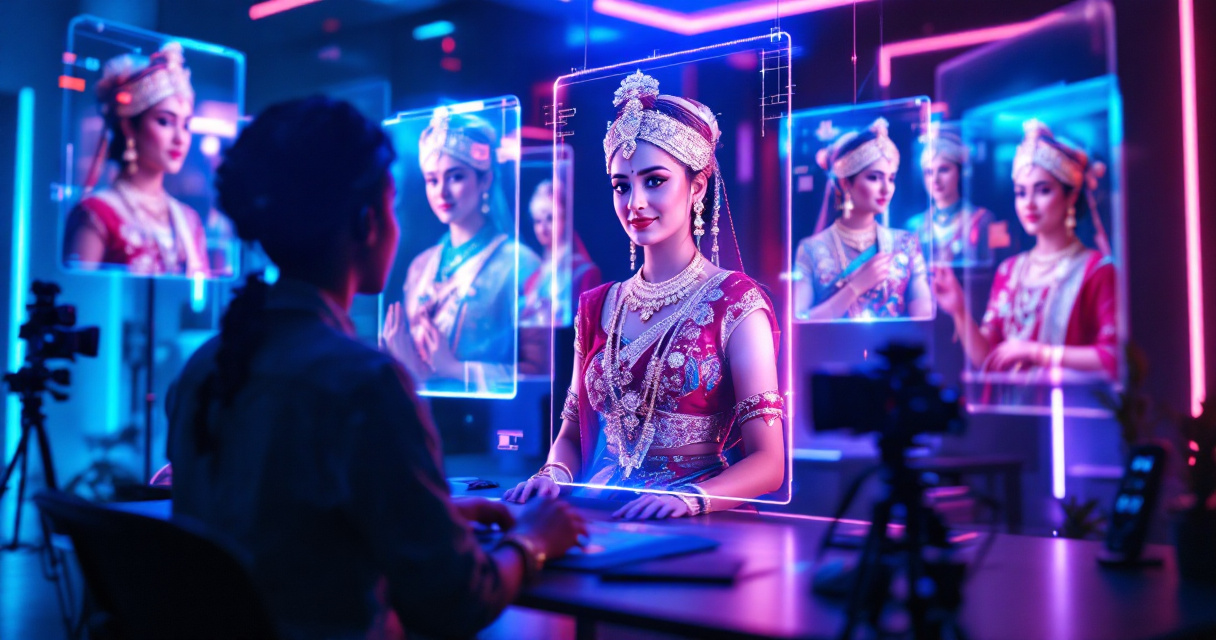
Creators also combine image generation with editing tools like The Looktara Lens, which helps produce profile-ready visuals for professional or social platforms.
For example, someone creating a professional portrait in traditional attire could refine the final image using the AI resume headshot generator to produce a clean LinkedIn-style headshot.
Popular AI Image Generators
| Tool | Strength | Best Use Case |
|---|---|---|
| Midjourney | Highly detailed textures | Cultural portraits |
| DALL‑E models | Fast generation | Concept images |
| Stable Diffusion | Custom models | Cultural datasets |
| The Looktara Lens | Profile and marketing images | Professional photos |
Many creators generate the base image in one tool, then refine the final design using editing or branding generators.
Turning Cultural Photos Into Social Media Assets
Once you create a Nepali cultural dress image, it can be reused across multiple platforms.
For example:
- A cultural portrait can become a YouTube thumbnail using the AI YouTube thumbnail generator
- Festival photos can become shareable posts using the AI X post image generator
- Cultural branding images can be turned into website headers with the AI website hero image generator
This approach turns one generated image into several marketing assets.
Advanced Prompt Techniques for Realistic Nepali Clothing
Basic prompts create simple images, but advanced prompts add realism through lighting, camera style, and fabric detail.
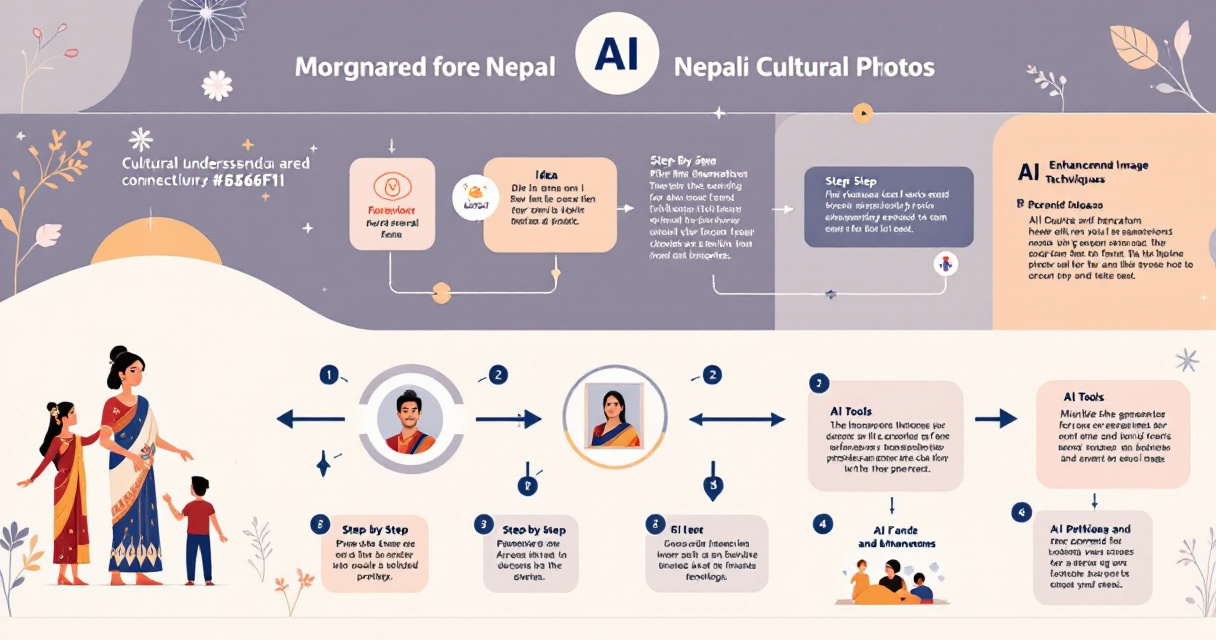
High‑Quality Prompt Elements
- Camera style: "85mm portrait photography"
- Lighting: "soft golden hour lighting"
- Fabric detail: "intricate dhaka fabric texture"
- Cultural context: "Dashain festival celebration"
- Jewelry description: "traditional Nepali gold tilhari necklace"
Combining these elements helps the AI generate images that resemble real photography rather than digital art.
Prompt Formula for Consistent Results
Use this formula when writing AI prompts:
Subject + Clothing + Cultural details + Lighting + Photography style
Example:
Nepali man wearing daura suruwal and dhaka topi, standing in Kathmandu street festival, soft natural lighting, professional portrait photography, highly detailed
Many creators store these prompts and reuse them when producing multiple cultural images.
Video Example: AI Dress Transformation Prompt
AI Prompt Demonstration
The same prompt techniques shown in this tutorial can be adapted for Nepali attire by changing the clothing description.
Common Mistakes When Generating Cultural AI Photos
Even good AI tools sometimes produce inaccurate cultural images. Most mistakes happen because prompts are too vague.
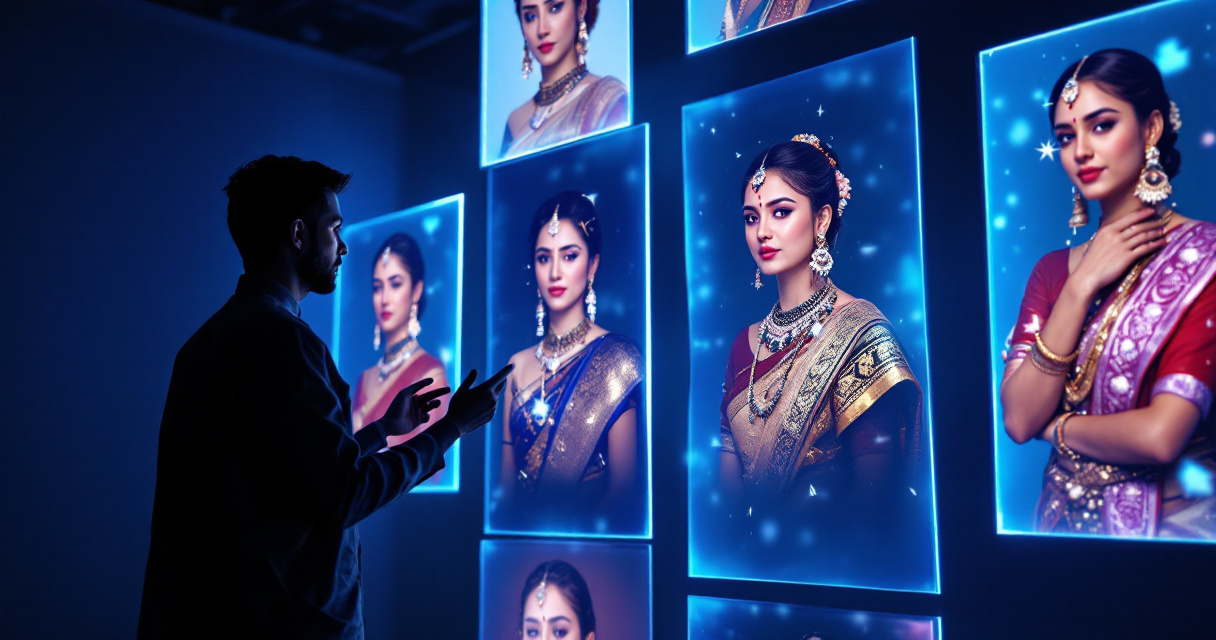
Frequent Problems
- Generic "Asian clothing" prompts
- Missing jewelry or cultural accessories
- Incorrect fabric colors
- Blended clothing from multiple cultures
Cultural accuracy matters. Researchers studying AI cultural awareness found that models perform better when prompts include precise cultural identifiers (Pawar et al., 2025).
Quick Fixes
- Always include the clothing name
- Mention the cultural event or setting
- Describe jewelry and fabric patterns
- Generate multiple variations and pick the best one
Where Nepali Cultural AI Photos Are Being Used Today
AI-generated cultural images now appear across many digital spaces. Designers, influencers, and entrepreneurs use them to create visuals without organizing expensive photoshoots.
Popular Use Cases
- LinkedIn or professional headshots in traditional clothing
- Cultural festival promotions
- Educational materials about Nepali heritage
- Tourism marketing visuals
- Social media content
Creators also convert cultural images into promotional graphics using tools such as the AI Pinterest pin generator or the AI podcast cover generator.
Platforms like The Looktara Lens make it easier to convert generated images into polished assets for personal branding or marketing campaigns.
What to Expect From AI Cultural Image Generation by 2027
AI image generation is improving rapidly. Models released in 2025 and 2026 already produce better clothing physics and textile realism than earlier systems.
Several trends will likely shape the next generation of cultural AI photography.
Emerging Trends
- Localized training datasets that improve cultural accuracy
- AI fashion simulation that recreates real fabric folds
- 3D AI clothing models for virtual photoshoots
- Personalized avatars wearing cultural attire
As datasets become more diverse, AI tools will better represent regional clothing such as Nepali Dhaka patterns or Newari ceremonial garments.
Conclusion
Creating a Nepali cultural dress AI photo no longer requires a studio, professional models, or expensive photography gear. With a detailed prompt and the right AI tool, you can generate authentic cultural visuals in minutes. Start by choosing a specific Nepali outfit, describe the clothing clearly in your prompt, and generate several variations until the textures and jewelry look realistic.
If you want to turn those generated photos into professional visuals for branding or profiles, try The Looktara Lens. The platform helps transform AI images into headshots, thumbnails, and marketing graphics that are ready for real platforms. Generate your first cultural AI portrait today, refine it, and share a piece of Nepali tradition through modern technology.