
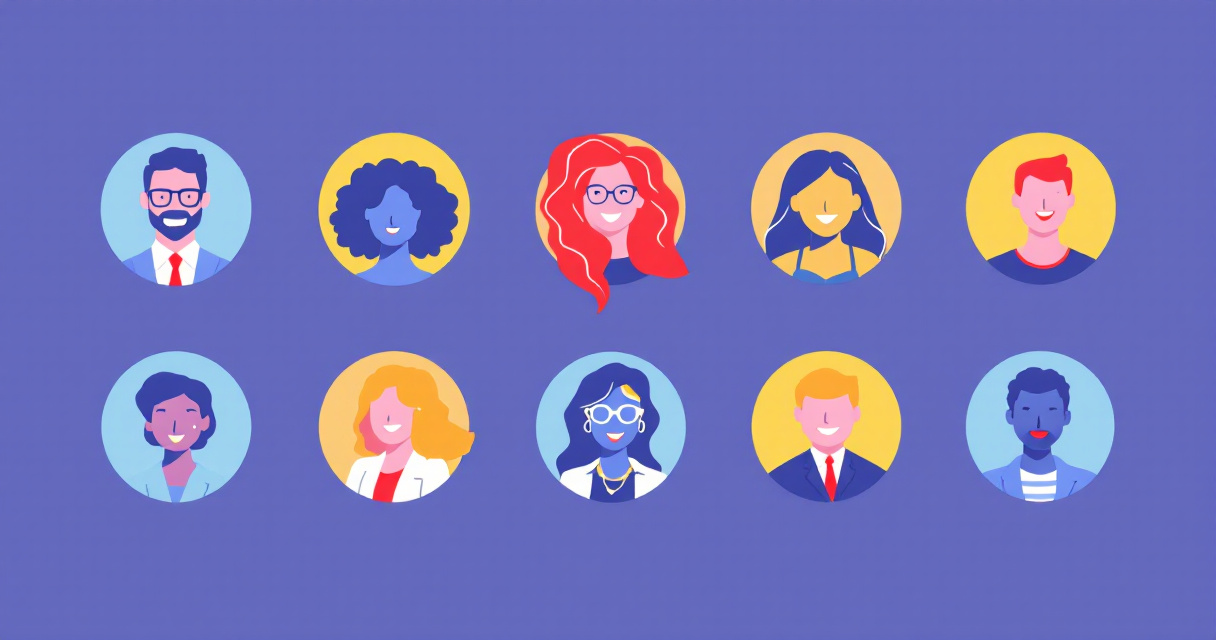
People donate to people, not just causes. That simple truth explains why nonprofit organization staff headshots have become a key branding asset for charities, foundations, and advocacy groups in 2026. A nonprofit organization, defined by Wikipedia as an entity that operates for a collective or public benefit rather than profit, relies heavily on public trust. Visual transparency helps build that trust.
Professional team portraits place real faces behind a mission, whether it's disaster relief, environmental advocacy, or community health. When displayed on websites, fundraising pages, and social media, staff headshots humanize an organization and make it easier for supporters to connect. Modern tools like The Looktara Lens also help nonprofits generate consistent visual assets around these photos, turning a simple portrait into part of a complete digital brand.
Why Staff Headshots Increase Trust for Nonprofits
Nonprofits depend on credibility. Donors, volunteers, and grant committees want to know who runs the organization before they contribute money or time.
Research across nonprofit marketing shows that transparency strongly affects donor behavior. According to studies summarized by nonprofit marketing groups, organizations that clearly show their leadership team and staff receive higher engagement and donation rates compared with anonymous brands.
"Visual transparency increases perceived trustworthiness in online communication," notes research discussed by Todd C. Helmus in RAND's work on digital media credibility (2022).
Staff headshots work because they create personal accountability. Instead of a faceless institution, supporters see real people responsible for the mission.
How Photos Influence Donor Psychology
Human brains process faces extremely quickly. Neuroscience studies show facial recognition happens in milliseconds, which explains why portrait images attract more attention than text blocks.
Key benefits of nonprofit staff headshots include:
- Increased donor trust when leadership appears visible and authentic
- Higher website engagement on team pages and about sections
- Improved credibility during grant applications
- Stronger storytelling for campaigns and annual reports
Organizations often underestimate how much a simple team portrait affects credibility. Donors comparing two similar charities will frequently choose the one that feels more transparent.
Where Nonprofit Staff Headshots Are Used Across Marketing Channels
A staff portrait is rarely used only once. Nonprofits often repurpose headshots across multiple communication channels to maximize value.
Competitor analysis shows that many nonprofits only place portraits on "About Us" pages. Modern organizations extend them into social media, fundraising campaigns, and event promotions.
Key Places Nonprofits Use Staff Portraits
- Team pages and leadership bios on nonprofit websites
- LinkedIn profiles for staff and board members
- Grant proposals and pitch decks sent to foundations
- Fundraising campaigns that highlight staff leading programs
- Press releases and media kits
Once a nonprofit has strong portraits, tools can transform them into branded graphics. For example, organizations often pair headshots with social media visuals created using tools like a LinkedIn post AI generator or a website hero image generator to build consistent campaign imagery.
The result is a recognizable brand identity, even with limited marketing resources.
Planning a Professional Nonprofit Headshot Session
A well-planned photo session can produce years of usable images. Nonprofits usually organize headshot days once every 12 to 24 months so new hires can be included.

Photography agencies that specialize in nonprofits emphasize preparation as the biggest success factor.
Essential Planning Steps
- Define the visual style. Decide whether portraits should look corporate, casual, or community focused.
- Choose a consistent background such as office space, neutral walls, or outdoor settings.
- Coordinate wardrobe guidelines to maintain visual consistency.
- Schedule short time slots for each staff member, usually 5 to 10 minutes.
- Capture both vertical and square formats for social media and websites.
Nonprofits often worry about cost. However, group sessions reduce pricing significantly compared with individual portrait shoots.
Typical Headshot Session Structure
Typical Nonprofit Headshot Day
| Stage | What Happens | Time Needed |
|---|---|---|
| Setup | Photographer prepares lighting and backdrop | 30–45 minutes |
| Individual portraits | Staff photographed in quick sessions | 5–10 minutes each |
| Team photos | Department or leadership group shots | 20 minutes |
| Image selection | Staff pick preferred photos | After session |
Many nonprofits combine staff portraits with group photos used for annual reports and campaign pages.
How Headshots Strengthen Fundraising Campaigns
Fundraising success often depends on emotional connection. When donors see the people running programs, the mission feels real.
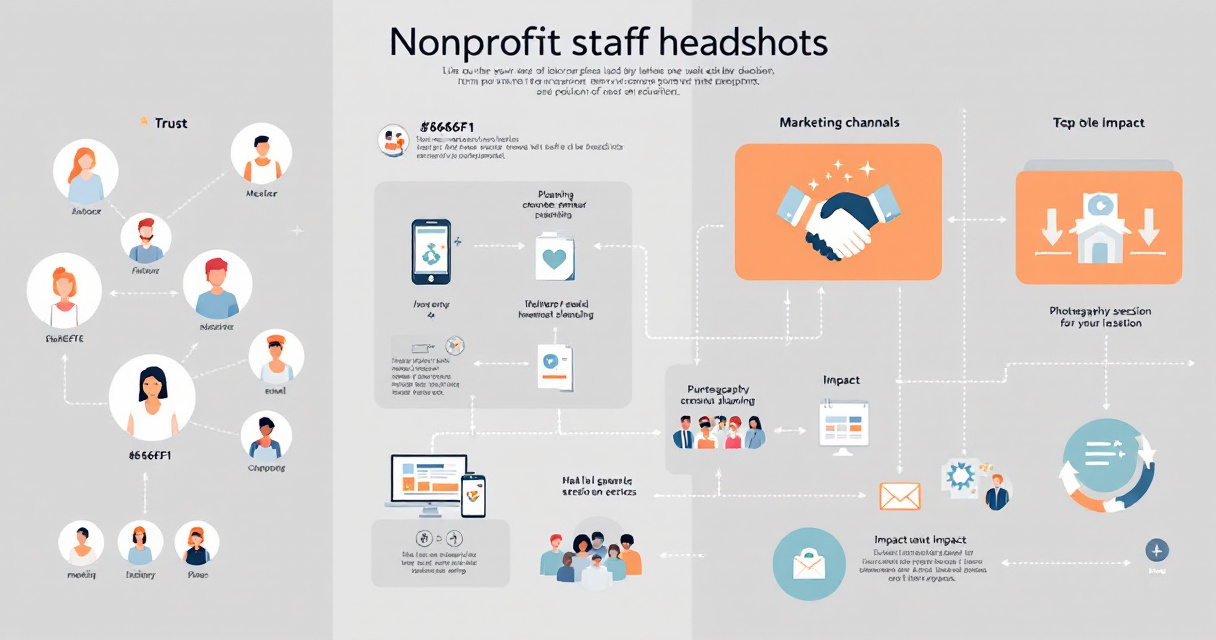
Many top nonprofit campaigns feature staff portraits alongside stories of impact. Instead of abstract statistics, supporters meet the program director, volunteer coordinator, or field worker behind the initiative.
Visual Storytelling for Donor Engagement
Strong nonprofit storytelling combines three elements:
- Faces of the people delivering programs
- Stories describing the mission impact
- Data showing measurable outcomes
Portraits often appear in social campaigns, email newsletters, and fundraising landing pages. Some organizations convert staff images into social graphics using tools such as a Pinterest pin AI generator or a quote post generator for social media to highlight staff insights or donor testimonials.
A nonprofit campaign featuring personal staff stories typically performs better than campaigns relying only on statistics.
Donors respond to human narratives, and portraits help deliver them.
Using AI Tools to Create Consistent Nonprofit Branding
Many nonprofits operate with limited marketing budgets. AI design tools now allow small teams to transform a simple portrait library into a complete visual toolkit.

Platforms like The Looktara Lens help nonprofits convert staff headshots into social media graphics, event promotions, and fundraising visuals without hiring a full design team.
Examples of AI-Powered Visual Assets
- Campaign banners featuring staff portraits
- Volunteer recruitment graphics
- Social media story visuals
- Event promotion images
For instance, nonprofits often create podcast or webinar content featuring staff leaders. A quick design using a podcast cover AI generator can turn a simple portrait into a professional event graphic.
These tools help maintain brand consistency while saving time and money.
Video: Photography Tips from a Professional
Professional photographers often recommend consistent lighting, relaxed posture, and natural expressions for nonprofit portraits. Authenticity matters more than overly polished corporate imagery.
Ethical and Authentic Representation in Nonprofit Photography
Authenticity is essential in nonprofit communications. Photos should represent staff honestly and respectfully.
Researchers studying digital media manipulation warn that altered images can damage credibility. According to Helmus (RAND, 2022), manipulated imagery contributes to misinformation and distrust in online communication.
Best Practices for Ethical Portrait Use
- Avoid heavy photo manipulation that changes appearance
- Ensure staff consent before publishing portraits
- Represent diversity across leadership and program teams
- Use recent images to avoid outdated representation
Authentic images strengthen credibility, while staged or misleading visuals can erode trust quickly.
What Nonprofit Visual Branding Will Look Like by 2027
Nonprofit communications are evolving rapidly as digital media becomes more visual.
Three major trends are shaping how staff portraits will be used over the next few years.
Emerging Trends in Nonprofit Photography
- AI-enhanced visual branding that transforms portraits into campaign graphics instantly
- Video-first storytelling where headshots evolve into short-form video introductions
- Interactive team pages featuring bios, photos, and personal impact stories
Many nonprofits already use AI tools to scale visual production. Platforms like The Looktara Lens make it easier to adapt staff photos for websites, social media, and fundraising campaigns without major design budgets.
The organizations that embrace visual storytelling early will likely stand out to donors and grantmakers.
Conclusion
Strong nonprofit missions deserve strong visual storytelling. Staff headshots give supporters a clear view of the people behind the work, building trust, transparency, and stronger donor relationships. When paired with thoughtful storytelling and consistent branding, portraits can support everything from fundraising campaigns to volunteer recruitment.
Start by organizing a professional headshot session for your team, then repurpose those images across websites, social media, and fundraising materials. Tools like The Looktara Lens help nonprofits turn simple portraits into polished campaign graphics without a full design department.
If your organization wants to strengthen donor trust and modernize its visual brand, begin with one step: capture authentic staff headshots and start telling the human story behind your mission.