

A candidate often decides whether to respond to a recruiter in seconds. One overlooked factor driving that decision is the recruiter's profile photo. Studies on online trust signals show that recognizable human faces dramatically improve engagement with professional profiles and messages. For staffing agencies that rely on LinkedIn outreach and employer branding, a polished recruiter headshot is not cosmetic, it is a performance asset.
Modern recruiting happens across LinkedIn, company websites, and social channels. A clear, consistent headshot signals credibility, approachability, and professionalism. Tools like The Looktara Lens now help staffing teams create consistent recruiter photos without expensive studio shoots, which is especially useful for distributed recruiting teams. This guide explains why recruiter headshots matter for staffing agencies, what makes an effective one, and how agencies are creating scalable visual branding in 2026.
Why Recruiter Headshots Influence Candidate Response Rates
Recruiting is a relationship-driven profession. Before a candidate reads your message, they see your photo. That first impression shapes whether they trust the outreach.
Research on digital interaction shows visual identity strongly affects perceived credibility. According to studies on online identity and data production in digital systems, profile visuals act as key context signals that shape how users interpret information and trust interactions (Miceli & Posada, 2022).
For staffing agencies, this translates into measurable outcomes such as:
- Higher LinkedIn connection acceptance rates
- More replies to recruiter messages
- Stronger employer brand perception
- Increased trust during early candidate conversations
A professional headshot signals authenticity. Candidates are more likely to respond when they can see who they are speaking with.
Agencies that standardize recruiter headshots also create stronger brand consistency. When every recruiter profile follows a similar visual style, the agency appears more organized and professional across platforms.
How Visual Identity Affects Professional Trust
Human brains process faces extremely quickly. Behavioral research shows people form impressions in milliseconds when viewing faces. In recruiting environments where candidates receive dozens of outreach messages weekly, that quick impression matters.
A recruiter with a clear headshot tends to appear:
- More credible
- More approachable
- More accountable
By contrast, profiles without photos or with casual selfies often reduce perceived professionalism. For staffing agencies competing with global recruiters, these signals become even more important.
What Makes a High‑Quality Recruiter Headshot in 2026
Recruiter headshots follow similar rules to corporate profile photography but with a slightly more approachable tone. Candidates should feel they are speaking with a real person rather than a corporate logo.
Key Elements of an Effective Recruiter Headshot
| Element | Best Practice | Why It Matters |
|---|---|---|
| Lighting | Soft, natural or studio lighting | Prevents harsh shadows and improves clarity |
| Background | Neutral or lightly branded background | Keeps focus on the recruiter |
| Framing | Head and shoulders crop | Works well across LinkedIn and company sites |
| Expression | Friendly, confident smile | Signals approachability |
| Consistency | Same style across team members | Strengthens agency brand |
Practical Tips for Recruiters
- Wear solid colors rather than complex patterns.
- Use high-resolution images, at least 1000px wide.
- Keep the background simple and uncluttered.
- Match your headshot style to your agency's brand.
- Update your photo every 2–3 years.
Recruiters who maintain updated headshots often see stronger engagement on LinkedIn, where profile visuals influence connection decisions.
How AI Tools Are Changing Headshot Creation
Traditional headshots require photographers, studio space, and scheduling coordination. For staffing agencies with dozens of recruiters, this quickly becomes expensive.
AI image platforms now allow agencies to generate consistent professional images at scale. For example, teams can create standardized recruiter images using tools like the AI resume headshot generator. These tools convert ordinary photos into polished professional portraits suitable for LinkedIn or corporate profiles.
Using platforms such as The Looktara Lens helps recruiting teams keep visual consistency even when recruiters work remotely across multiple locations.
How Staffing Agencies Use Headshots to Strengthen Employer Branding
Staffing agencies do not just recruit candidates. They also market themselves as talent partners to companies. Recruiter headshots play a major role in that branding.

Many agency websites now feature recruiter profile pages that include:
- Professional headshots
- Industry specialization
- Placement success stories
- Direct contact links
These profiles humanize the agency and show that real experts are behind the hiring process.
How Agencies Display Recruiter Profiles Online
| Platform | How Headshots Are Used |
|---|---|
| Recruiter outreach and networking | |
| Agency websites | Team pages and recruiter bios |
| Email signatures | Building trust in candidate conversations |
| Social media | Employer branding posts |
Modern agencies also repurpose recruiter photos across marketing materials. For example, marketing teams might combine headshots with branded graphics created using tools like a LinkedIn post AI generator to highlight recruiter achievements or new job openings.
Consistency Across Recruiting and Marketing Channels
A recruiter's headshot rarely appears in just one place. It often appears across LinkedIn, email, website bios, webinars, and recruiting ads.
Maintaining visual consistency improves brand recognition. Agencies sometimes pair headshots with other branded visuals such as landing banners generated through tools like a website hero image AI generator to keep messaging cohesive across digital platforms.
Cost Comparison: Studio Photography vs AI Headshot Tools
Budget constraints are a major concern for staffing agencies that regularly hire new recruiters. A traditional studio session may cost hundreds per person.
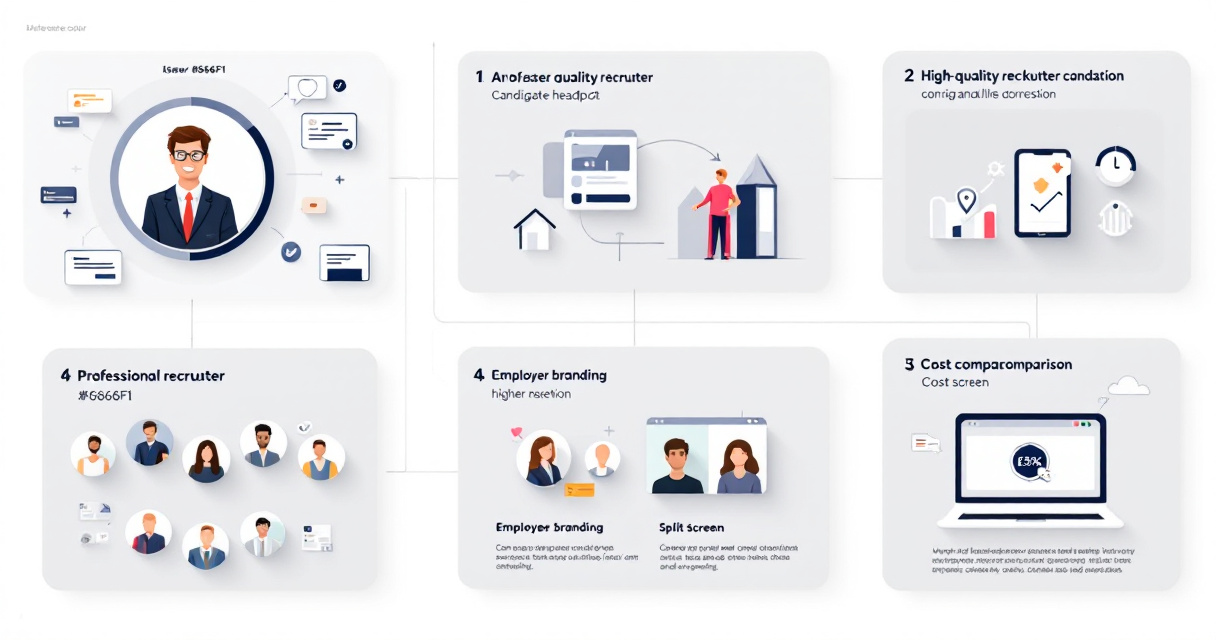
AI headshot generators are increasingly replacing studio shoots for routine profile photos.
Typical Cost Breakdown
| Method | Estimated Cost per Recruiter | Scalability | Turnaround |
|---|---|---|---|
| Studio photography | $200–$600 | Low | Several days |
| Freelance photographer | $100–$300 | Medium | 1–3 days |
| AI headshot tools | $10–$50 | High | Minutes |
The shift toward AI visuals reflects broader changes in digital work tools. According to research on emerging technology adoption in entrepreneurship and startups (van Erkelens, Thompson & Chalmers, 2023), small organizations increasingly adopt scalable digital tools that reduce operational overhead.
For recruiting agencies, this means faster onboarding of new recruiters with consistent profile images.
When Agencies Still Prefer Studio Photography
AI tools are not perfect for every use case. Many agencies still schedule professional photo shoots for leadership teams, marketing campaigns, or executive search consultants.
Studio photography remains useful when:
- The agency wants fully custom lighting and branding
- Images will appear in high-end marketing materials
- Executives require magazine-quality portraits
Still, AI tools provide a practical option for large recruiting teams.
Recruiter Profile Optimization: Beyond the Headshot
A strong headshot works best when paired with a complete recruiter profile. Candidates typically evaluate several elements before responding to outreach.

Essential Profile Components
- Professional headshot
- Clear headline with specialization
- Short bio explaining recruiting expertise
- Testimonials or placement highlights
- Direct contact options
Many agencies also repurpose recruiter images in marketing materials such as webinars, podcasts, or short videos. Visual assets like YouTube thumbnails for recruiting videos or branded X post graphics help amplify recruiter visibility online.
Video Insight: What Recruiters Look for in Candidates
Recruiters evaluate candidate profiles in a similar way. Understanding how recruiters review resumes can also help candidates optimize their own professional images and profiles.
Recruiter Advice on Resume and Profile Optimization
Future Trends: AI Branding and Visual Identity for Recruiters
Recruiting is becoming more digital every year. Remote work and global talent markets mean most candidate interactions begin online.
Researchers studying AI governance and digital systems highlight the importance of responsible design and representation in algorithmic environments (Ulnicane, 2024). Visual identity will likely become even more important as AI tools influence professional platforms.
Several trends are emerging in 2026:
- AI-generated headshots integrated directly into recruiting platforms
- Automated branding kits for recruiting teams
- Dynamic profile visuals for different job markets
- Personalized recruiter landing pages
Tools like The Looktara Lens are already part of this shift, helping professionals create consistent visual branding across LinkedIn, websites, and marketing materials without needing design expertise.
Why Visual Branding Will Matter More by 2027
As recruiting platforms become more crowded, visual identity helps professionals stand out quickly. Recruiters who maintain strong profile images, consistent branding, and recognizable personal profiles will likely see better engagement.
In other words, the recruiter brand is becoming almost as important as the agency brand.
Frequently Asked Questions About Recruiter Headshots
Recruiters and staffing agencies often ask similar questions when updating professional images.
Common Questions
How often should recruiters update their headshots? Every two to three years is a good rule, or whenever your appearance changes significantly.
Are AI-generated headshots acceptable for LinkedIn? Yes. As long as the image looks realistic and represents your appearance, platforms like LinkedIn generally allow AI-enhanced portraits.
Do headshots really affect recruiter success? Yes. Profiles with professional photos consistently receive more engagement in professional networks.
Should all recruiters have identical headshots? Not identical, but similar style, lighting, and background help create a unified agency brand.
Conclusion
Recruiter headshots might seem like a small detail, but they influence candidate trust, response rates, and agency branding. A clear, professional photo signals credibility before a single message is read. For staffing agencies managing large recruiting teams, scalable tools now make it easier to maintain consistent professional images.
Platforms like The Looktara Lens allow recruiters, freelancers, and job seekers to generate polished profile photos without expensive studio sessions. Combined with strong recruiter profiles and consistent branding, a high-quality headshot becomes a practical tool for winning candidate attention.
If your recruiting team still uses outdated photos or inconsistent profile images, now is the time to upgrade. Start by standardizing recruiter headshots, updating LinkedIn profiles, and testing AI-powered visual tools that keep your agency looking professional across every platform.