
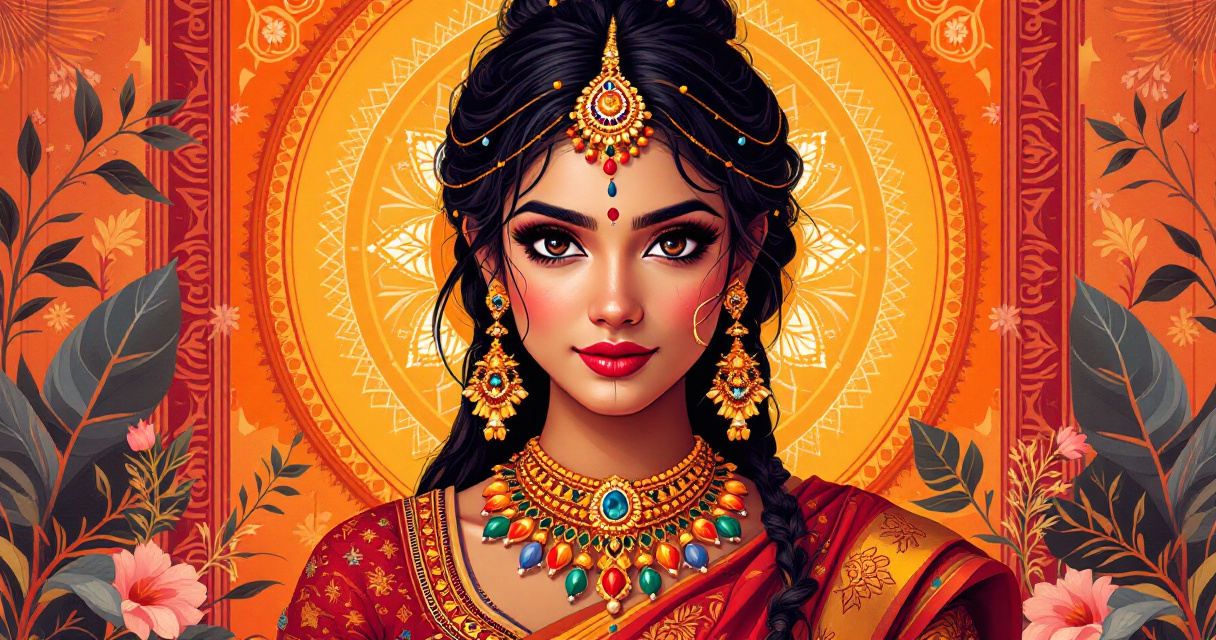
Santhali Traditional Look AI Photo Generator: Celebrate Indigenous Culture with Modern Technology
The Santhal people represent one of India's largest indigenous communities, with a cultural heritage spanning thousands of years across Jharkhand, West Bengal, Bihar, and Odisha. Their distinctive traditional attire, jewelry, and body art have captivated artists and cultural enthusiasts for generations. Now, AI visual art technology brings these beautiful traditions into the digital age, allowing anyone to experience and celebrate Santhali aesthetics through generated imagery.
According to research on artificial intelligence visual art, AI art is visual artwork generated or enhanced through AI programs, most commonly using text-to-image models. This technology has opened remarkable possibilities for cultural preservation and personal expression. Platforms like The Looktara Lens are making it possible to create professional-quality images that honor traditional aesthetics while meeting modern digital needs. Whether you're exploring your heritage, creating content, or simply appreciating indigenous artistry, Santhali traditional look AI generators offer a fascinating intersection of culture and technology.
Understanding Santhali Traditional Aesthetics
Before diving into AI generation, you need to understand what makes Santhali traditional looks so distinctive. The Santhal community has maintained unique cultural markers that set them apart visually from other Indian ethnic groups.
"Santhali traditional aesthetics combine natural elements, symbolic jewelry, and vibrant textiles that tell stories of their deep connection to the land and forest."
Key Elements of Santhali Traditional Dress
Santhali women traditionally wear sarees in specific draping styles, often in red, white, and green color combinations. These aren't random choices; each color carries cultural significance tied to nature, fertility, and spirituality.
| Element | Description | Cultural Significance |
|---|---|---|
| Panchhi Saree | Traditional handwoven saree with distinctive border | Represents marital status and community identity |
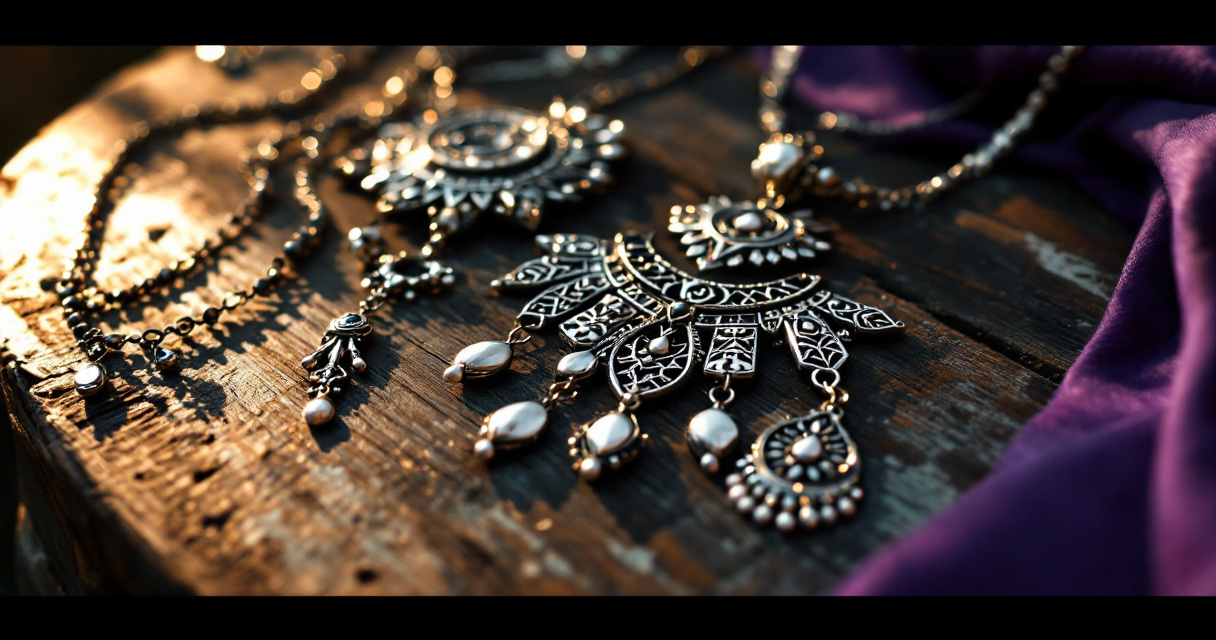
| Hansli Necklace | Heavy silver collar-style necklace | Symbol of prosperity and married status |
| Bala Bangles | Thick silver or brass bangles worn in sets | Protection and aesthetic beauty |
| Flower Adornments | Fresh flowers in hair, especially marigolds | Connection to nature and celebrations |
| Jhur Tattoos | Traditional body tattoos with geometric patterns | Tribal identity and spiritual protection |
Men traditionally wear dhotis and gamchas (cotton towels used as headwear), often during festivals and cultural events. Understanding these elements helps you craft better prompts for AI image generation.
The Significance of Jhur Body Art
Santhali tattoo traditions, called jhur or khoda, represent one of the most visually striking aspects of their culture. These permanent markings feature:
- Geometric patterns on arms, chest, and forehead
- Nature-inspired designs including leaves and animal motifs
- Dots and lines arranged in specific tribal patterns
- Symbols indicating clan affiliation and life milestones
When using AI generators for Santhali looks, including references to these tattoo patterns creates more authentic results. The geometric precision of jhur tattoos translates well to AI generation when properly described.
How AI Photo Generators Create Traditional Looks
AI image generation has evolved dramatically since its early days. Modern platforms use diffusion models trained on millions of images to understand cultural contexts, clothing patterns, and artistic styles. For Santhali traditional looks, this means the AI can recognize and recreate specific jewelry styles, textile patterns, and aesthetic elements when given proper prompts.
The Technology Behind Cultural AI Art
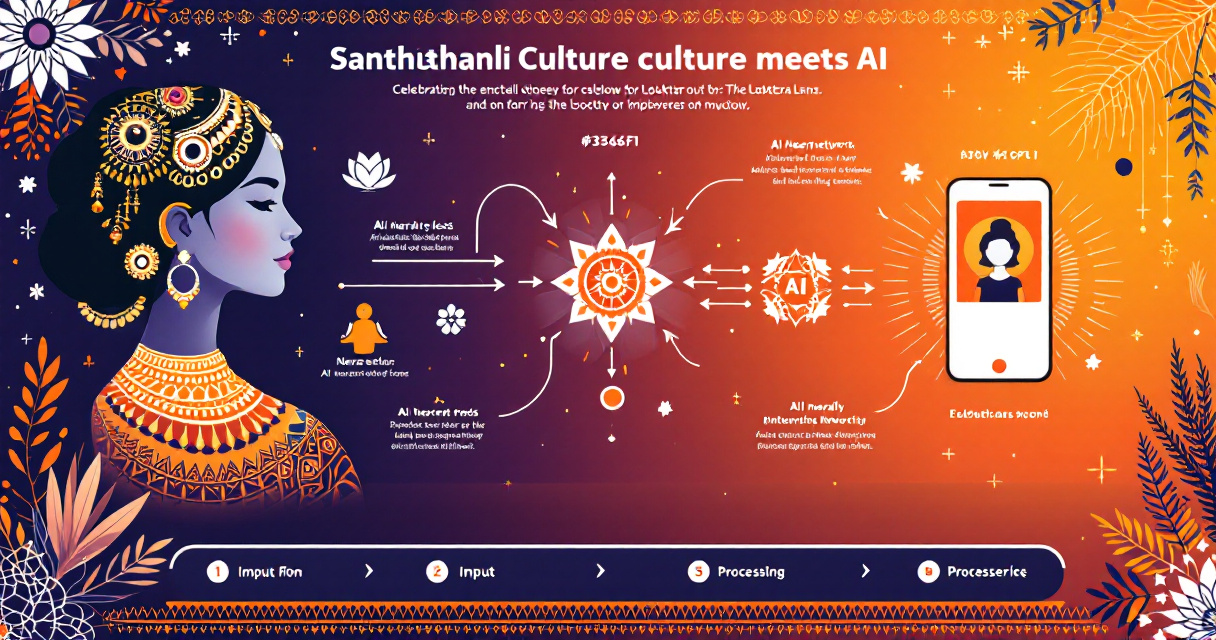
Text-to-image AI models work by learning relationships between words and visual concepts. When you describe Santhali traditional elements, the AI references its training data to construct appropriate imagery. This process involves:
- Text encoding: Your prompt gets converted into mathematical representations
- Noise diffusion: The AI starts with random noise and gradually shapes it
- Cultural pattern matching: The model applies learned cultural visual patterns
- Detail refinement: Multiple processing steps add jewelry, textile textures, and accessories
- Final rendering: The complete image emerges with all requested elements
Platforms similar to Picsart, which offers layer-based editors and generative AI features, have made this technology accessible to everyday users. You don't need technical expertise to create stunning cultural portraits.
Crafting Effective Prompts for Santhali Looks
Your results depend heavily on prompt quality. Vague descriptions produce generic images, while specific cultural references yield authentic-looking results.
"The difference between a mediocre AI portrait and a stunning one often comes down to 20 extra words in your prompt describing specific cultural details."
Here's a prompt framework that works well:
- Start with the subject ("young Santhal woman," "elderly Santhali man")
- Add traditional attire specifics ("wearing red and white panchhi saree")
- Include jewelry details ("heavy silver hansli necklace, multiple brass bangles")
- Describe hair and adornments ("hair decorated with marigold flowers")
- Mention setting if relevant ("in front of traditional mud house with painted walls")
- Specify style ("portrait photography, natural lighting, cultural documentation style")
The Looktara Lens platform excels at interpreting these cultural descriptions, making it easier to get professional results without extensive prompt engineering experience.
Practical Applications for Santhali AI Portraits
Creating Santhali traditional look images isn't just about personal enjoyment. These AI-generated portraits serve real purposes across multiple contexts, from professional branding to cultural education.
Professional and Personal Branding Uses
Many professionals with Santhali heritage want to incorporate cultural elements into their digital presence. AI generators make this possible without expensive photoshoots or access to traditional jewelry.
Consider these applications:
- LinkedIn headshots with subtle traditional jewelry elements
- Social media profile pictures celebrating cultural identity
- Author photos for writers covering indigenous topics
- Speaker portraits for cultural events and conferences
- Dating profiles showing authentic cultural pride
If you're creating content for other platforms, you might also explore tools for professional resume headshots or LinkedIn post visuals that complement your Santhali-inspired portraits.
Cultural Preservation and Education
AI-generated Santhali imagery plays an increasingly important role in cultural documentation. Educational institutions, museums, and cultural organizations use these images for:
- Illustrating traditional dress for academic materials
- Creating visual guides for cultural festivals like Sohrai and Baha
- Developing children's books featuring indigenous characters
- Building digital archives of traditional aesthetic elements
- Training younger generations about their heritage
This application connects to broader movements in indigenous communities worldwide using technology for cultural preservation. The accessibility of AI tools democratizes this work, allowing community members rather than outside institutions to control their visual representation.
Creating Your First Santhali Traditional Look
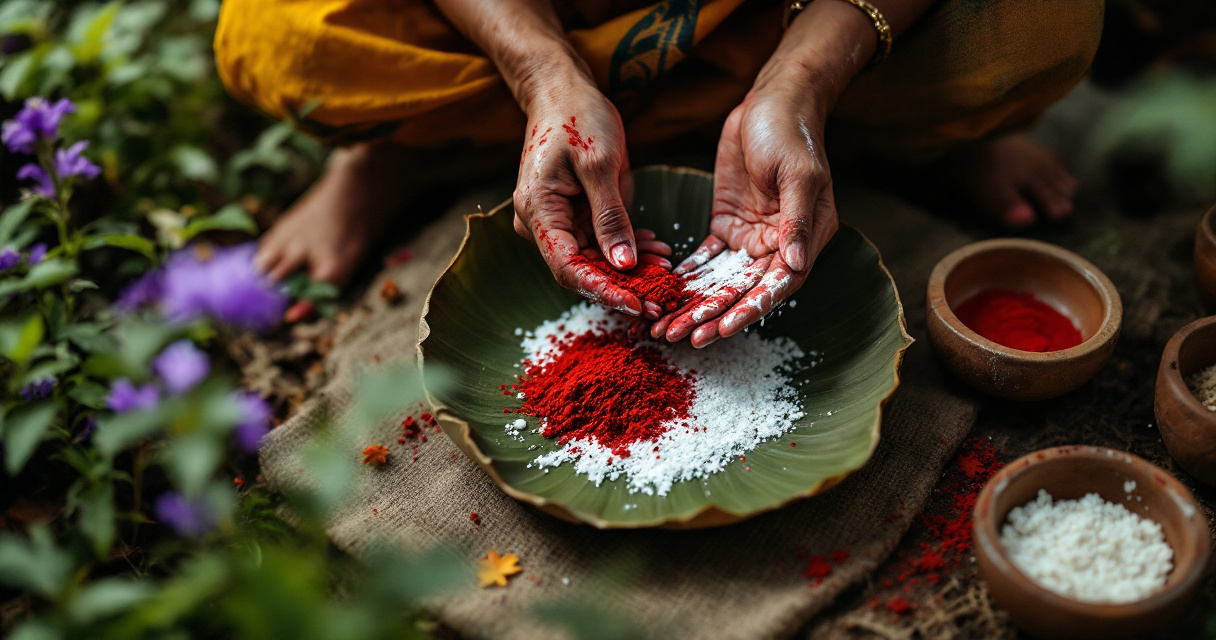
Ready to generate your own Santhali-inspired portraits? Here's a step-by-step approach using The Looktara Lens or similar AI platforms.
Step-by-Step Generation Process
Follow this workflow for best results:
- Gather reference images: Search for authentic Santhali traditional photos to understand the aesthetics
- List specific elements: Write down the jewelry, clothing, and adornments you want included
- Write your base prompt: Combine subject description with cultural elements
- Add style modifiers: Specify photography style, lighting, and composition
- Generate initial images: Create 4-8 variations to compare
- Refine your prompt: Adjust based on what's missing or incorrect
- Select and enhance: Choose the best result for final touches
Using The Looktara Lens simplifies this process significantly. The platform understands cultural context better than generic generators, reducing the trial-and-error typically involved.
Common Mistakes to Avoid
Many first attempts at Santhali AI portraits fail due to predictable errors:
- Mixing tribal aesthetics: Each indigenous community has distinct styles; don't blend Santhali with Warli or Gond elements
- Overdoing jewelry: Authentic looks feature specific pieces, not every possible ornament
- Wrong color combinations: Santhali palettes favor earthy tones and specific reds, whites, and greens
- Ignoring regional variations: Santhals in different states have slightly different traditional dress
- Generic "tribal" prompts: Vague descriptions produce stereotyped, inauthentic imagery
For content creators working across multiple formats, consider how your Santhali portraits might complement other visual content. Tools for YouTube thumbnails or TikTok covers can help maintain visual consistency across platforms.
The Cultural Conversation Around AI and Indigenous Representation
Using AI to generate indigenous traditional looks raises important questions about representation, authenticity, and cultural respect. These conversations matter for anyone engaging with this technology.
Ethical Considerations
Creating Santhali traditional AI images comes with responsibilities:
"Technology should amplify indigenous voices, not appropriate them. The question isn't whether AI can create these images, but whether it should, and how."
- Avoid commercial exploitation of culturally sacred elements
- Credit the culture when sharing AI-generated traditional imagery
- Support actual Santhali artists and craftspeople alongside using AI
- Don't claim false heritage based on AI-generated photos
- Use images for appreciation, not mockery or stereotyping
The Santhali community, like many indigenous groups, has complex relationships with outside representation. Using AI respectfully means understanding this context.
How AI Can Support Cultural Preservation
When used thoughtfully, AI tools become allies in cultural preservation rather than threats. Several positive applications have emerged:
- Documentation projects capturing traditional styles before elder knowledge is lost
- Youth engagement making cultural heritage feel modern and relevant
- Diaspora connections allowing displaced community members to visualize traditions
- Educational accessibility bringing cultural content to under-resourced schools
- Artist inspiration helping traditional artists explore new visual directions
YouTube creators have already begun incorporating AI into Santhali cultural content. Videos like "Kok Tuti Tuti Te 3.0, AI Santali Cover Song" demonstrate how technology and tradition can merge successfully.
What's Next for Cultural AI Image Generation
The field continues advancing rapidly. By late 2026 and into 2027, expect several developments affecting Santhali and other indigenous traditional look generation.
Emerging Trends and Capabilities
Watch for these upcoming developments:
| Trend | Expected Impact | Timeline |
|---|---|---|
| Cultural fine-tuning | AI models trained specifically on indigenous aesthetics | Early 2027 |
| Community-controlled datasets | Indigenous groups managing how their imagery trains AI | Mid 2027 |
| Real-time video generation | Moving portraits in traditional dress | Late 2027 |
| AR integration | Try-on experiences for traditional jewelry and clothing | 2027-2028 |
Platforms like The Looktara Lens are already incorporating cultural sensitivity features, but dedicated indigenous-focused tools may emerge as the technology matures.
The Role of Community Input
Future development will likely involve more direct collaboration with Santhali communities. This includes:
- Advisory boards of cultural experts reviewing AI outputs
- Community-approved prompt libraries ensuring accuracy
- Revenue sharing for commercial use of cultural imagery
- Educational partnerships with tribal universities
For creators building broader visual content strategies, these cultural AI tools integrate well with other creative platforms. Explore options for website hero images or social media posts that can incorporate your Santhali-inspired aesthetics across your digital presence.
Conclusion
Santhali traditional look AI photo generators represent a fascinating convergence of ancient culture and modern technology. These tools let anyone explore, appreciate, and celebrate indigenous aesthetics while creating professional-quality digital imagery. The key lies in approaching the technology respectfully, learning about authentic cultural elements, and using generated images in ways that honor rather than exploit Santhali heritage.
Your next step is clear: start experimenting. Visit The Looktara Lens to create your first Santhali-inspired portrait. Begin with simple prompts describing traditional jewelry and clothing, then gradually add detail as you learn what works. Share your results respectfully, support actual Santhali artists and craftspeople, and consider how AI-generated cultural imagery can contribute positively to indigenous visibility and preservation.
The technology is ready. The cultural wealth of the Santhal people provides endless inspiration. Now it's your turn to create something beautiful that bridges tradition and new idea.