
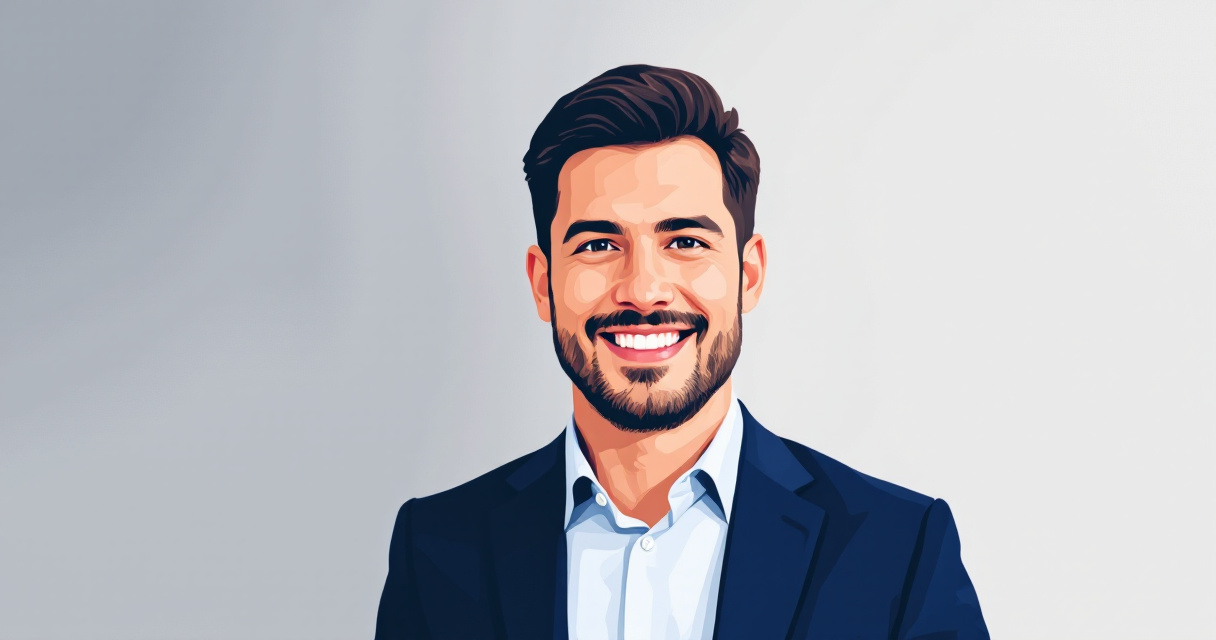
Event organizers often decide whether a speaker "looks credible" in less than a second. Your conference bio photo, often displayed beside your session description and marketing materials, shapes that first impression long before you step on stage. A strong speaker headshot builds trust, communicates authority, and helps attendees remember you after the event. Modern tools such as The Looktara Lens now make it possible to generate studio-quality professional photos without scheduling an expensive photoshoot. If you want more speaking invitations, media interviews, and networking opportunities, your speaker headshot deserves strategic attention, not a quick selfie.
Why Conference Organizers Prioritize Professional Speaker Headshots
Conference websites, marketing emails, and social media promotions rely heavily on visual content. A speaker headshot is often the most visible part of your conference bio, appearing in schedules, event apps, and promotional banners.
Research on digital presentation and identity verification highlights how facial imagery plays a critical role in recognition and trust formation. A 2021 survey published in IEEE Access noted that facial recognition and visual identity cues strongly influence human perception and authentication in digital environments (Mandalapu et al., 2021).
For conferences, that principle translates into marketing value. Attendees scan event pages quickly, and recognizable faces help them decide which sessions to attend.
A strong speaker headshot acts as visual branding. It signals professionalism before your first slide appears.
Where Speaker Headshots Are Used
Your conference bio photo rarely appears in just one place. Organizers reuse it across multiple promotional channels.
- Event websites and session pages
- Speaker directories and mobile event apps
- Social media promotion graphics
- Media interviews and podcast features
- Event program brochures or digital guides
Many speakers now combine their headshot with branded visuals created using tools like a website hero image generator for personal brands to maintain consistent visuals across conference marketing pages.
What Makes a High-Impact Speaker Bio Photo
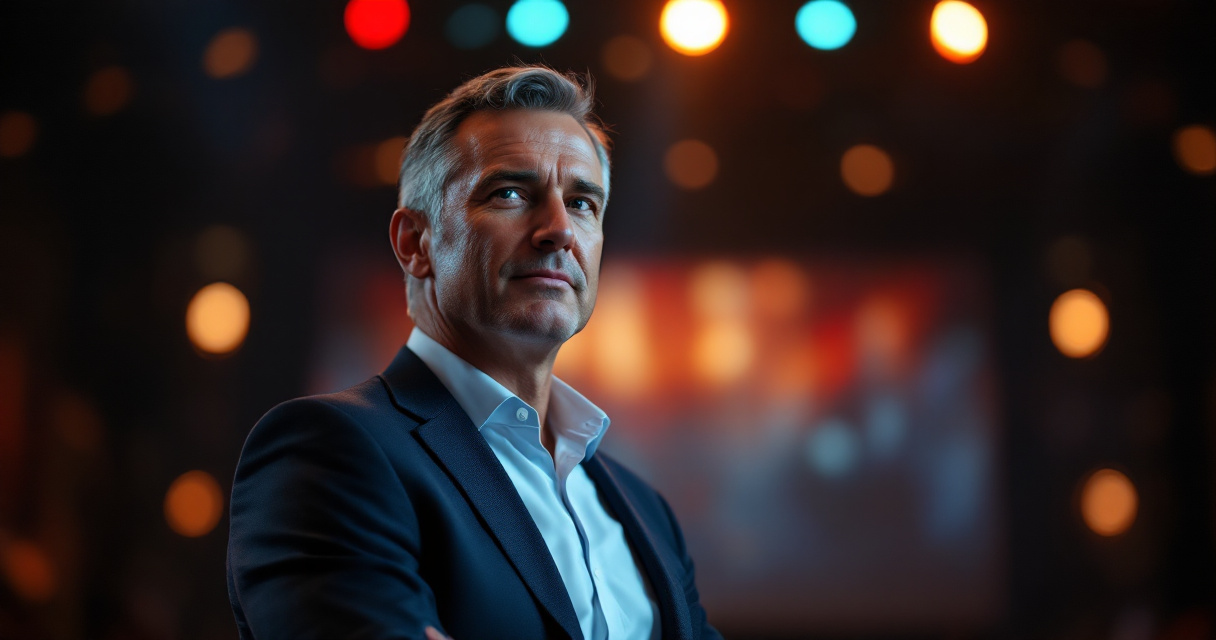
Not all professional photos work for conference bios. A speaker headshot must communicate expertise, personality, and approachability at the same time.
Core Elements of an Effective Speaker Headshot
The strongest conference photos share several consistent characteristics.
- Clear facial visibility and natural lighting
- Neutral or lightly branded background
- Authentic facial expression, not overly posed
- High resolution suitable for large displays
- Framing that works in square and circular crops
Recommended Technical Specifications for Conference Photos
Event organizers often request specific formats so images display correctly across platforms.
| Requirement | Recommended Standard | Why It Matters |
|---|---|---|
| Resolution | 2000x2000 px or higher | Prevents pixelation on large screens |
| File Format | JPEG or PNG | Compatible with event platforms |
| Aspect Ratio | Square (1:1) | Works across websites and apps |
| Background | Neutral or brand color | Keeps focus on the speaker |
| File Size | Under 5MB | Easy upload for event organizers |
Using AI tools has become common in 2025 and 2026 for generating polished images quickly. For example, many speakers update their LinkedIn or conference photos using an AI resume headshot generator, then adapt that same image for conference bios.
The key is authenticity. Attendees should easily recognize you when you step on stage.
Common Speaker Headshot Mistakes That Hurt Your Credibility
Even experienced professionals often submit photos that weaken their conference profile. Organizers regularly reject images that look casual, outdated, or inconsistent with the event's branding.
Mistakes Event Organizers See Most Often
- Cropped group photos from weddings or parties
- Smartphone selfies with distracting backgrounds
- Photos older than five years
- Overly filtered or unrealistic images
- Images with logos, text overlays, or heavy graphics
These issues reduce clarity and visual trust. According to research on virtual conference design from the ACM Digital Government Research and Practice journal (Porwol, Metcalf, Morrison, 2022), professional visuals significantly improve audience engagement in digital event environments.
If your photo feels casual or outdated, attendees may subconsciously assume your presentation will feel the same.
Branding Confusion Across Platforms
Speakers often use different images across platforms. Your LinkedIn profile might show one photo, your website another, and your conference bio a third.
That inconsistency weakens recognition. A better approach is to maintain a single visual identity, supported by consistent marketing assets such as a LinkedIn content visual generator or branded presentation visuals.
How AI Tools Are Changing Speaker Headshots in 2026
AI image generation has dramatically changed how professionals create headshots. Instead of scheduling a studio session weeks in advance, speakers can now produce multiple professional images in minutes.
The shift reflects broader changes in online professional branding. A 2024 study in TESOL Quarterly examining digital platforms found that creators increasingly rely on platform-driven tools to shape their professional presence online (Wang & Curran, 2024).
Benefits of AI-Generated Professional Headshots
Modern tools allow speakers to create high-quality visuals quickly and affordably.
- No need for studio booking
- Multiple styles and backgrounds in minutes
- Consistent branding across platforms
- Easy updates when your look changes
Many speakers now use The Looktara Lens to generate polished photos for speaker bios, LinkedIn profiles, and event marketing. The platform creates studio-style images that maintain natural facial detail while adapting to different brand aesthetics.
Example: Building a Full Speaker Visual Kit
A single headshot often becomes the foundation for many other visuals.
| Asset Type | Where It's Used | Tool Example |
|---|---|---|
| Speaker Headshot | Conference bio page | AI headshot generator |
| Social Promotion Graphic | Event marketing | X post visual generator |
| Presentation Cover | Session slides | Branded graphic tools |
| Podcast Guest Artwork | Guest episode promotion | Podcast cover creator |
This approach turns one photo into a complete speaker branding system.
Preparing Your Headshot for Conference Marketing and Media
Once you have a strong headshot, preparation matters just as much as the photo itself. Event teams typically request media kits weeks before conferences begin.
What to Include in Your Speaker Media Kit
A polished media kit increases the chance that organizers feature you in promotional campaigns.
- High-resolution speaker headshot
- Short bio (50 to 100 words)
- Extended bio (150 to 250 words)
- Social media links
- Website or portfolio
Many speakers also create promotional graphics ahead of events so they can share their speaking appearance online. Tools such as a YouTube thumbnail creator for speaker announcements help transform headshots into marketing assets quickly.
Best Cropping Styles for Conference Platforms
Different event systems crop images differently. Preparing several versions prevents awkward framing.
- Square headshot for directories
- Circular crop for mobile event apps
- Horizontal banner for speaker announcements
Organizers appreciate speakers who provide ready-to-use formats. It saves their design team hours of editing.
What to Expect for Speaker Branding and Headshots in 2027
Speaker marketing is evolving rapidly as conferences become hybrid events with both physical and digital audiences. Your headshot is becoming more than a static photo.
Emerging Trends in Speaker Visual Branding
Several changes are already shaping the future of conference promotion.
- Animated profile images for event apps
- AI-generated background environments
- Dynamic speaker cards for social media
- Personalized session promotion graphics
Video Introduction Example
Speakers who adapt early will stand out in crowded conference schedules. Event organizers want presenters who look polished not only on stage, but across every digital platform promoting the event.
Platforms like The Looktara Lens are part of this shift, giving speakers the ability to generate new visuals quickly as branding needs evolve.
Conclusion
Your conference bio photo is more than a simple portrait. It acts as the visual handshake that introduces you to event organizers, media outlets, and future collaborators. A strong speaker headshot improves recognition, builds trust, and increases the chances that attendees remember your talk.
Modern tools make creating professional images easier than ever. With platforms like The Looktara Lens, you can generate studio-quality headshots, adapt them for conference bios, and transform them into marketing visuals for LinkedIn, podcasts, and event promotions.
If you're planning to apply for speaking opportunities in the next year, start by upgrading your headshot. A single powerful image can open doors to conferences, partnerships, and new audiences.