

One photo can influence how students, colleagues, and hiring committees perceive you before they read a single word of your research. Universities increasingly rely on professional headshots for faculty directories, conference pages, and online learning platforms, so a strong academic portrait is no longer optional. A well-crafted teacher or professor headshot signals credibility, approachability, and authority. Tools such as The Looktara Lens also make it easier to create professional academic images without expensive studio sessions. This guide explains what makes an effective academic headshot, how professors and teachers can prepare for one, and how modern AI tools are reshaping professional portrait photography in higher education.
Why Academic Headshots Matter More in the Digital University Era
University faculty profiles now appear across websites, virtual classrooms, research platforms, and professional networks. A strong headshot helps establish trust before any lecture or publication is reviewed.
The shift toward digital education accelerated after 2020, and research shows academic visibility online plays a growing role in student engagement. According to Wang and Curran (2024) in TESOL Quarterly, platform-based education systems increasingly shape how teachers and language instructors attract students and maintain credibility in online environments.
A professional academic headshot serves several roles at once:
- University website faculty directories
- LinkedIn or research profiles
- Online course platforms
- Conference speaker pages
- Media interviews and publications
A clear professional portrait can influence first impressions within seconds, especially when students evaluate instructors online before enrolling in a course.
Schools and departments also standardize faculty images to create a consistent brand across their websites. This means headshots are now part of institutional marketing, not just personal presentation.
Many educators also pair their headshot with other digital visuals such as profile banners, presentation slides, and course materials. For example, tools like the AI pitch deck slide generator help educators create visual assets that match their academic brand.
Where Academic Headshots Are Most Frequently Used
| Platform | Why Headshots Matter | Typical Format |
|---|---|---|
| University Faculty Pages | Builds credibility with students and media | Square portrait |
| Professional networking and hiring committees | Head and shoulders | |
| Research Platforms | Used on Google Scholar, ORCID, ResearchGate | Professional portrait |
| Conference Websites | Speaker identification | High-resolution headshot |
| Online Courses | Helps students connect with instructors | Friendly academic photo |
How First Impressions Shape Student Perception
Students often judge instructor approachability based on visual cues. A relaxed but professional headshot can influence whether a professor appears welcoming or intimidating.
Small details matter. Eye contact, neutral backgrounds, and natural lighting improve the perception of competence and friendliness.
Institutional Branding and Faculty Profiles
Universities aim for consistent visual identity across departments. Faculty headshots often follow the same background color, crop style, and lighting pattern.
This consistency makes the institution appear organized and modern while helping visitors easily scan staff directories.
What Makes a Strong Teacher or Professor Headshot
A good academic headshot balances professionalism with personality. Unlike corporate portraits, academic images should communicate both authority and approachability.

Professional photographers often recommend head-and-shoulders framing with soft lighting and minimal distractions. Many universities now provide faculty photography guidelines to maintain consistent branding.
Key Elements of an Effective Academic Portrait
| Element | Recommendation | Reason |
|---|---|---|
| Lighting | Soft natural or studio lighting | Reduces shadows and improves clarity |
| Background | Neutral or campus setting | Keeps attention on the subject |
| Clothing | Professional but comfortable | Reflects academic authority |
| Expression | Friendly and confident | Encourages student engagement |
| Framing | Head and shoulders | Standard for university profiles |
Clothing and Styling Tips for Academic Photos
Choosing the right clothing helps your headshot remain timeless. Avoid fashion trends that may date quickly.
- Solid colors usually photograph better than complex patterns
- Neutral tones such as navy, charcoal, and cream work well
- Avoid shiny fabrics that reflect studio lights
- Minimal accessories keep focus on your face
Academic headshots should look professional for at least 3 to 5 years, so simplicity usually works best.
Background Choices That Work for Professors
Some departments prefer studio backgrounds, while others favor campus environments.
Common options include:
- Neutral studio background
- Library or classroom setting
- Blurred campus architecture
- Research lab environment
Each option communicates something slightly different about the educator's role.
Preparing for an Academic Headshot Session
Preparation dramatically improves the final result. Most professional photographers say preparation matters as much as lighting or equipment.
A professor who arrives prepared typically produces several usable images within minutes.
Simple Preparation Checklist
- Choose two professional outfits
- Sleep well before the shoot
- Avoid overly shiny makeup or skincare
- Bring a comb or brush
- Practice a relaxed smile
These steps reduce stress and help the session move quickly.
Common Mistakes Educators Make
Even experienced professionals sometimes overlook small details.
- Wearing clothing that blends into the background
- Overly serious expressions
- Distracting accessories
- Poor posture or slouching
A photographer will often guide posture adjustments, but practicing beforehand helps.
Some educators also prepare supporting visuals for their digital profiles at the same time. For instance, conference speakers may pair their portrait with graphics created using a LinkedIn post image generator or presentation visuals for their research announcements.
AI and Digital Tools Changing Academic Portrait Photography
Artificial intelligence is changing how professionals create headshots. Instead of scheduling a studio session months in advance, educators can now generate polished portraits quickly using AI-powered tools.
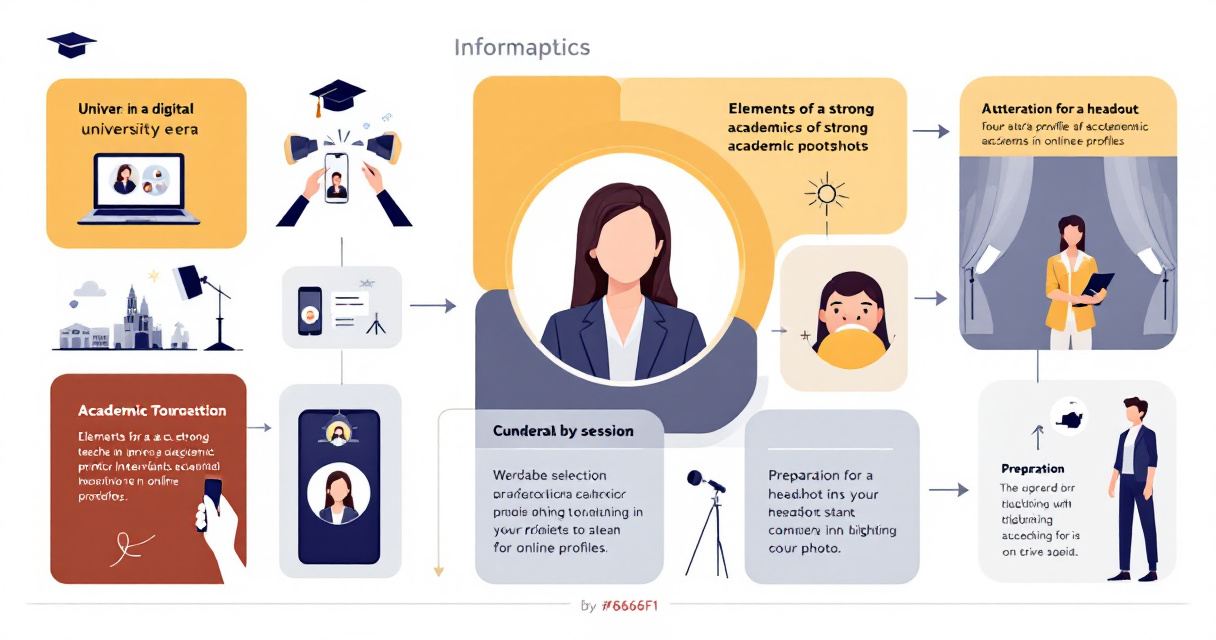

Platforms such as The Looktara Lens allow professionals to generate professional-looking images that work for LinkedIn, academic profiles, and conference websites.
This trend mirrors broader digital changes in education. According to Arnò, Galassi, and Tommasi (2021) in the International Journal of Distance Education Technologies, digital systems continue to reshape online learning infrastructure, including identity verification and instructor presentation.
Benefits of AI Headshot Tools for Educators
- Lower cost than traditional studio photography
- Faster turnaround time
- Multiple background styles
- Easy updates for profile changes
AI tools are especially useful for adjunct faculty, remote instructors, and researchers who work internationally.
Many educators using The Looktara Lens also build visual branding around their profile photo. They may generate complementary visuals such as banners, thumbnails, or academic announcements.
For example, the platform includes tools like the AI YouTube thumbnail generator for educators and creators or a landing page banner generator for personal academic websites.
The shift toward AI-generated visuals reflects a broader move toward flexible digital identity for academics working across multiple platforms.
Real Examples of Academic Profiles That Use Strong Headshots
Many respected scholars maintain professional portraits on institutional websites and research pages. These images reinforce academic credibility and make faculty directories easier to navigate.
For instance, mathematician William Yslas Vélez, an emeritus professor at the University of Arizona and a Fellow of the American Association for the Advancement of Science, appears on multiple academic profiles with a clear professional portrait. Such images help identify scholars across conference programs and research publications.
University directories also standardize portraits to maintain brand consistency. Institutions like the Aristotle University of Thessaloniki, one of Europe's largest universities according to a 2024 Palgrave Macmillan reference work, display faculty photos in a uniform grid format across department pages.
What These Profiles Have in Common
- Consistent framing
- Similar background styles
- High image resolution
- Professional lighting
These shared traits make directories visually organized and easier to scan.
Some universities also use graphic tools to highlight faculty announcements or publications. In these cases, a headshot may appear alongside social graphics created using tools like a quote post image generator for academic announcements.
Academic Personal Branding Trends to Watch Through 2027
Academic branding used to revolve only around publications. By 2026, visual identity plays a larger role as scholars maintain profiles across multiple platforms.
Online teaching, research communication, and media interviews all increase the need for consistent visual presentation.
Emerging Trends in Academic Photography
- Universities providing standardized headshot sessions
- AI-generated professional portraits
- Faculty personal websites with branded visuals
- Video introductions embedded in course pages
Video Example: Academic Profile Photography Tips
Video introductions are also becoming common for professors teaching online courses. Instructors may pair video content with visuals created using tools such as a TikTok cover generator for short academic content.
Expect academic profiles by 2027 to include a mix of headshots, short videos, and visual content that explains research in simple ways.
Conclusion
A strong teacher or professor headshot does more than look professional. It helps students connect with instructors, strengthens academic credibility, and supports a consistent university brand. With teaching, networking, and research increasingly happening online, a clear professional portrait has become a key part of an educator's digital identity.
If your current academic photo is outdated or taken casually, updating it can immediately improve how your profile appears across university websites and professional networks. Tools such as The Looktara Lens make it easier to generate professional academic portraits and matching visuals for presentations, course platforms, and personal websites.
Take a few minutes to review your current faculty or LinkedIn photo. If it no longer represents your professional image, create a new academic headshot and update it across your profiles today.