

How to Create a Warm and Approachable Therapist Headshot That Builds Client Trust
A potential client scrolling through a directory of therapists will spend about 3 seconds on your headshot before deciding whether to learn more about you. In that brief moment, your photo needs to communicate something powerful: I am someone you can trust with your deepest struggles. Unlike corporate headshots that emphasize authority and competence, therapist headshots require a delicate balance. You need to appear professional enough to be credible, yet warm and approachable enough that vulnerable clients feel safe reaching out. Research from Princeton University found that people form judgments about trustworthiness within 100 milliseconds of seeing a face, and these snap judgments heavily influence behavior. For therapists, this means your headshot is doing therapeutic work before you ever meet a client. The Looktara Lens platform has helped thousands of mental health professionals create headshots that strike this balance, using AI-powered photography tools designed specifically for professional warmth. Whether you're launching a private practice, updating your Psychology Today profile, or refreshing your website, this guide covers everything you need to know about creating a therapist headshot that genuinely connects.
Why Warmth Matters More Than Perfection in Therapist Photography
The biggest mistake therapists make with their headshots is chasing a polished, corporate look. A study published in the Journal of Counseling Psychology found that clients rated therapists with "warmer" photos as more competent at building rapport, even when credentials were identical.
"Clients seeking therapy are already in a vulnerable state. Your headshot should reduce barriers to connection, not create them." - American Psychological Association guidelines on marketing
Warmth in photography comes from specific, measurable elements. It's not about looking casual or unprofessional; it's about conveying genuine human connection through visual cues your potential clients will process subconsciously.
The Psychology Behind First Impressions
Facial expressions communicate emotional states before conscious thought kicks in. Research on the amygdala, the brain's threat-detection center, shows it responds to facial cues within milliseconds. A tense jaw, forced smile, or stiff posture triggers subtle alarm bells for viewers.
For therapy clients specifically, this matters even more. Many people seeking mental health support have experienced relational trauma. Their nervous systems are primed to detect signs of judgment, coldness, or inauthenticity. Your headshot needs to signal safety.
Key warmth indicators clients subconsciously scan for:
- Genuine smile involving the eyes (Duchenne smile)
- Relaxed facial muscles, especially around the jaw
- Slight head tilt suggesting openness to listening
- Soft, unfurrowed brow
- Natural, unforced posture
Approachability vs. Authority: Finding Your Balance
Different therapeutic specialties call for different balances. A trauma therapist working with survivors might lean heavier toward approachability. A forensic psychologist providing expert testimony might need more authority cues. Most practitioners fall somewhere in between.
| Specialty | Warmth Priority | Authority Priority | Recommended Style |
|---|---|---|---|
| Child/Family Therapy | High | Low | Casual, colorful, big genuine smile |
| General Counseling | High | Medium | Professional but relaxed, soft lighting |
| Clinical Psychology | Medium | Medium | Balanced, neutral tones, calm expression |
| Forensic/Neuropsychology | Medium | High | Structured, darker tones, confident expression |
| Executive Coaching | Medium | High | Business casual, strong eye contact |
Platforms like The Looktara Lens allow you to experiment with different styles before committing, which helps you find your unique balance without expensive reshoot sessions.
Technical Elements That Create Visual Warmth
Creating warmth in photography involves specific technical choices. Professional photographers manipulate lighting, color temperature, depth of field, and composition to evoke emotional responses. Understanding these elements helps you communicate effectively with a photographer or make informed choices when using AI photography tools.

Lighting Techniques for Soft, Inviting Photos
Harsh, direct lighting creates sharp shadows that can make faces look severe. Soft, diffused lighting wraps around facial features and communicates gentleness.
Optimal lighting setups for therapist headshots:
- Natural window light - Position yourself facing a large window with indirect sunlight. This creates soft, even illumination that flatters most face shapes.
- Golden hour outdoor light - The hour after sunrise or before sunset produces warm-toned, diffused light naturally.
- Softbox or ring light - Studio options that mimic natural diffused lighting while offering more control.
Avoid overhead fluorescent lighting, direct flash, or midday sun. These create unflattering shadows under the eyes and nose that can make you appear tired or stern.
Color temperature also matters significantly. Warmer light (around 3000-4000K) reads as cozy and inviting, while cooler light (5500K+) feels clinical. For therapy headshots, err toward warmth.
Background and Color Psychology
Your background and clothing colors communicate subconscious messages. Color psychology research shows specific palettes evoke distinct emotional responses.
Colors that enhance approachability:
- Soft blues - Associated with calm, trust, and stability
- Warm earth tones - Convey groundedness and reliability
- Soft greens - Suggest growth, balance, and healing
- Cream/warm white - Creates openness without sterility
Colors to use carefully:
- Bright red - Can signal intensity or alarm
- Pure black - Professional but can feel distant
- Stark white - Clinical associations
For backgrounds, slightly blurred natural settings or warm-toned solid colors work best. Avoid busy patterns that distract from your face. If you're creating content for various platforms, tools that generate professional resume headshots can help maintain consistency across different uses.
Expression and Body Language Fundamentals
The most technically perfect photo fails if your expression doesn't connect. Genuine warmth can't be fully faked, but it can be elicited.
Techniques for authentic expression:
- Think of a specific client you've helped, or a moment of genuine connection in session
- Have someone tell you a mildly amusing story right before the shot
- Take photos after a brief meditation or breathing exercise
- Avoid caffeine before shoots; it can create subtle tension
- Practice in front of a mirror, but don't use your "mirror face" in actual photos
"The difference between a good headshot and a great one is often just the 50th shot, when the subject finally relaxes and forgets about the camera."
Body language cues matter too. Squared-off shoulders facing directly at the camera can feel confrontational. A slight angle, with shoulders turned 15-30 degrees, feels more conversational and inviting.
Common Therapist Headshot Mistakes and How to Avoid Them
After reviewing hundreds of therapist headshots across major directories, certain mistakes appear repeatedly. Avoiding these puts you ahead of most of your competition in making a strong first impression.
The Overly Serious Expert Problem
Many therapists, especially those with extensive credentials, default to serious expressions that emphasize competence. The logic makes sense: you want clients to know you're qualified.
The problem is that potential clients aren't usually worried about whether you have enough education. They're worried about whether you'll judge them, understand them, and make them feel safe. A stern expression accomplishes the opposite.
Signs your headshot is too serious:
- Furrowed brow or tension around the eyes
- Closed-mouth expression without any smile
- Rigid, squared posture
- Formal business attire with dark colors
- Hard lighting with dramatic shadows
You can maintain professionalism while softening these elements. A gentle closed-mouth smile with relaxed eyes often strikes the right balance for those uncomfortable with big grins.
The Overly Casual Authenticity Trap
The opposite mistake has become more common recently. Some therapists, trying to seem relatable and down-to-earth, go too casual. Photos that look like vacation snapshots or social media selfies can undermine credibility.
Warning signs:
- Visible phone or selfie angle
- Distracting backgrounds (messy rooms, crowds, landmarks)
- Casual clothing inappropriate for clinical settings
- Poor image quality or resolution
- Inconsistent lighting suggesting amateur photography
Clients want to see you, but they also want reassurance that you're a trained professional who takes your work seriously. The sweet spot is polished authenticity, which is where AI photography platforms like The Looktara Lens excel by combining professional quality with natural, personalized results.
Technical Quality Issues That Undermine Trust
Low-resolution images, poor cropping, or outdated photos create immediate credibility problems. Your headshot appears alongside your credentials; if the photo looks amateur, clients may question your professionalism generally.
Technical standards for 2026:
- Minimum 1200px width for web display
- High resolution for print materials (300 DPI minimum)
- Consistent appearance across all platforms (website, directories, LinkedIn)
- Updated within the past 2-3 years
- Proper cropping showing head and shoulders
If you're also creating content for social media or LinkedIn posts, maintaining visual consistency builds brand recognition and trust across platforms.
Step-by-Step Process for Your Therapist Headshot
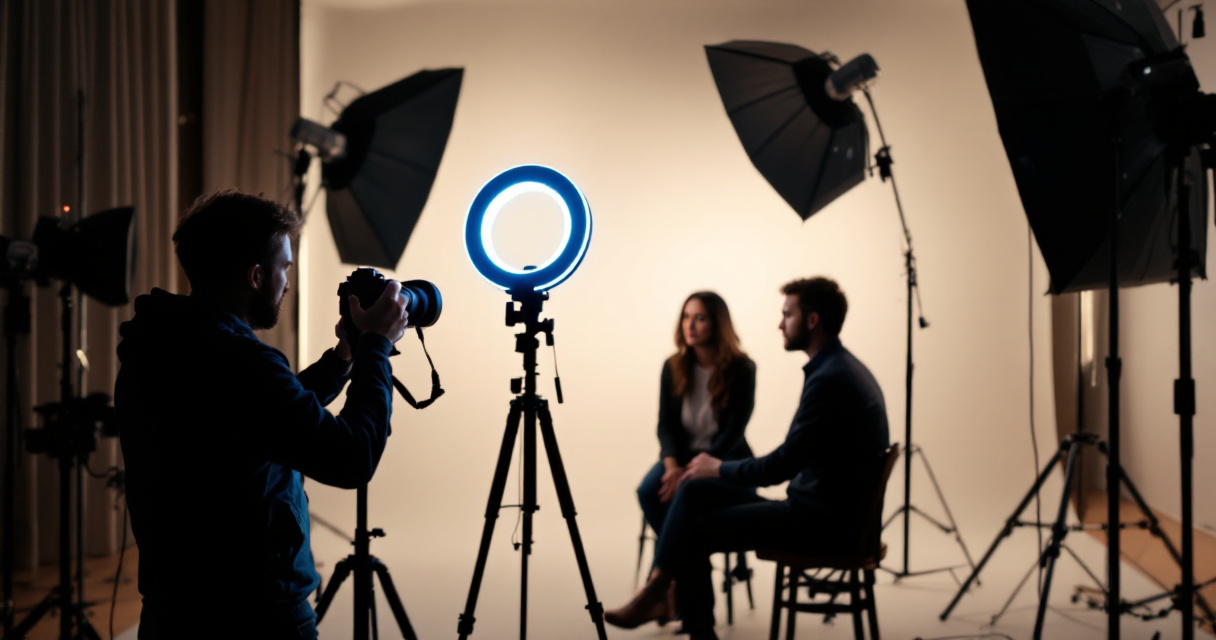
Whether you're working with a professional photographer, using AI tools, or attempting quality DIY photos, following a structured process improves outcomes significantly.
Preparation Before the Shoot
The work you do before picking up a camera determines most of your results.
- Define your therapeutic brand - Are you the warm, nurturing type? The direct, solution-focused expert? Your headshot should match your actual clinical style.
- Research your competition - Look at headshots in your geographic area and specialty. Note what feels inviting and what feels off.
- Select 2-3 outfit options - Bring choices in different colors to see what photographs best.
- Practice expressions - Spend 10 minutes making different faces at yourself. Find what feels natural but warm.
- Rest and hydrate - Sleep deprivation and dehydration show in photos. Take care of yourself the night before.
- Prepare mentally - If you're camera-shy, acknowledge it. Plan calming strategies for the actual shoot.
During the Photography Session
Whether working with a photographer or taking AI-generated headshots through platforms like The Looktara Lens, these tips apply:
- Take many more shots than you think you need - Professional photographers may take 200+ images to get 5-10 excellent ones
- Review and adjust throughout - Check images periodically and make real-time corrections
- Move your body between shots - Shake out tension, roll your shoulders, reset your posture
- Think genuine thoughts - Return to specific memories of positive therapeutic moments
- Breathe - Holding your breath creates visible tension in the face and neck
"The goal isn't to look perfect. It's to look like the version of yourself that clients will actually meet in session."
Selecting and Editing Your Final Image
Choosing your final headshot involves balancing personal preference with strategic goals.
Selection criteria to prioritize:
- Does this photo make you seem approachable? (Ask others for honest feedback)
- Is the image technically sound? (Lighting, focus, resolution)
- Does it represent your current appearance accurately?
- Will it work across all your platforms and marketing materials?
- Does it differentiate you from competitors in your market?
For editing, less is more. Retouching that removes all wrinkles and imperfections can create an uncanny valley effect that feels inauthentic. Subtle adjustments to brightness, contrast, and color balance are appropriate. Heavy filters or dramatic edits are not.
Platforms designed for professional imagery, including tools for website hero images and headshots, typically include appropriate editing that maintains natural appearance while ensuring technical quality.
Using Your Headshot Effectively Across Platforms
A great headshot only works if potential clients actually see it. Strategic placement and consistency multiply the impact of your investment.
Directory and Profile Optimization
Psychology Today, GoodTherapy, and similar directories are often where clients first encounter therapists. Your headshot competes directly with dozens of others on search results pages.
Optimization strategies:
- Use the highest quality version the platform allows
- Ensure your face fills most of the frame (directories show thumbnails)
- Match your photo style to your written profile tone
- Update seasonally if you work with populations who might find this meaningful
For video-focused content like YouTube thumbnails, consistent visual branding helps clients recognize you across platforms.
Website and Marketing Integration
Your website allows more flexibility than directory profiles. Consider using your headshot strategically:
- Homepage - Above the fold, connecting immediately with visitors
- About page - Larger format with additional candid images
- Contact page - Reinforcing warmth when clients decide to reach out
- Blog posts - Author attribution with consistent photo
Visual consistency matters. Using the same core headshot (or shots from the same session) across all materials builds recognition and trust. If you're creating various marketing assets, coordinating your headshot style with quote posts and other visual content creates cohesive branding.
Conclusion
Your therapist headshot is more than a picture; it's a clinical tool. The right image reduces barriers for clients who desperately need help but feel scared to reach out. It communicates safety, competence, and genuine human warmth in the seconds before conscious thought engages.
The technical elements, including lighting, color, expression, and composition, all serve this deeper purpose. By understanding what creates visual warmth and applying these principles intentionally, you transform a simple photograph into an invitation.
Your action steps for the next 7 days:
- Audit your current headshot against the criteria in this guide
- Gather 3-5 opinions from people outside your field about what impression your photo creates
- Explore AI photography options like The Looktara Lens to test different styles without committing to expensive shoots
- Schedule time to update your photo if it no longer represents your best therapeutic self
The clients who need you most are already searching. Make sure the first impression they get is one that helps them take that brave first step toward healing.