
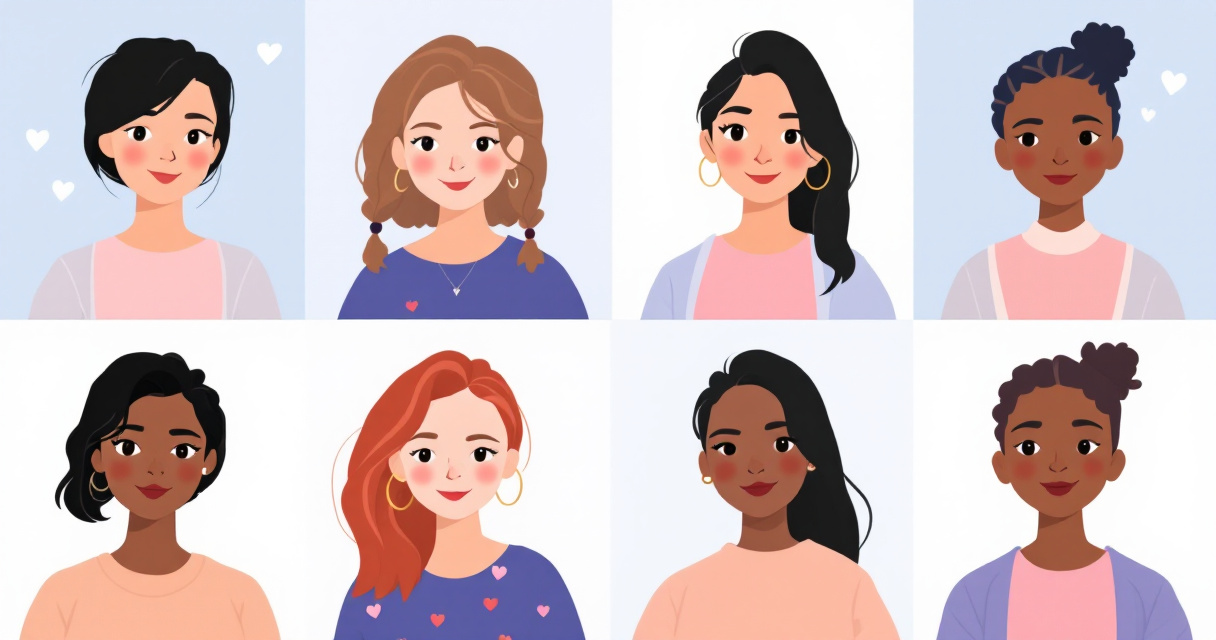
One photo can decide your entire dating experience. On Tinder, users typically make a swipe decision in under a second, according to multiple behavioral studies of dating apps. That split-second judgment is why AI-generated Tinder profile photos are rapidly gaining traction in 2026.
Tinder, launched in 2012, is a geosocial networking and online dating application where users swipe through profiles to match with potential partners. Because photos dominate the interface, small improvements in image quality or attractiveness can dramatically affect match rates. New AI tools now generate realistic portraits, improve lighting, change outfits, and simulate professional photography without requiring an expensive photoshoot.
Platforms such as The Looktara Lens allow users to create polished profile images using AI models trained on their selfies. Instead of relying on random phone pictures, you can generate photos designed specifically for dating apps. The result: better first impressions, stronger engagement, and more meaningful matches.
This guide explains how Tinder profile photo AI works, why it improves match rates, and how to use it effectively without making your profile look fake.
Why Profile Photos Decide Success on Tinder
Dating apps run on visual decisions. While bios and interests matter later, your profile photo determines whether someone even reads them.
Research on digital dating behavior shows the importance of images. A 2021 study published in Frontiers in Psychology analyzing online sexual and romantic interactions found that visual cues strongly influence attraction and decision making in digital environments. In other words, your photo is not just decoration, it is the primary signal of identity and appeal.
Most Tinder users spend less than a second evaluating a profile before swiping, making photo quality the most important factor for matches.
Poor lighting, awkward angles, and outdated photos reduce perceived attractiveness and authenticity. AI tools attempt to fix these issues by producing images that match what successful profiles typically include.
Key Photo Traits Linked to Higher Match Rates
Large-scale dating data analysis and profile experiments consistently show patterns among high-performing photos.
- Clear facial visibility
- Natural lighting or studio-style lighting
- High resolution images
- Context that suggests lifestyle or hobbies
- Relaxed body language
AI generators analyze these patterns and recreate them automatically. Instead of manually setting up a photoshoot, the AI can simulate professional photography conditions.
Common Photo Mistakes That Reduce Matches
Many Tinder users unknowingly sabotage their profiles with avoidable mistakes.
- Group photos where the viewer cannot identify you
- Low resolution selfies taken in poor lighting
- Overly edited filters that look unnatural
- Old photos that no longer represent you
AI-generated profile photos attempt to solve these issues by producing consistent, modern-looking images.
How Tinder Profile Photo AI Actually Works
AI photo generators create new images based on machine learning models trained on large datasets of human faces and photography styles. The user uploads several selfies, and the AI builds a personalized visual model.
From there, the system can generate dozens of new photos showing you in different environments, outfits, and lighting setups.
According to research on human-AI interaction by Kang and Lou (2022) in the Journal of Computer-Mediated Communication, users often perceive AI-assisted content as more engaging when it improves presentation without hiding authenticity.
Typical Workflow for AI Dating Photo Generators
Most tools follow a similar three-stage process.
- Upload 10–20 selfies with different angles
- AI trains a visual model of your face
- The tool generates new images in different scenarios
For example, you might generate photos in settings such as:
- Coffee shop portraits
- Outdoor hiking shots
- Smart casual headshots
- Studio-style lighting photos
Platforms like The Looktara Lens apply the same technology used in professional image generation tools to create realistic profile photos optimized for social media and dating apps.
Comparison of AI Photo Generation vs Traditional Photos
AI vs Traditional Dating Photos
| Factor | AI Generated Photos | Traditional Photos |
|---|---|---|
| Cost | Often $5–$40 | Professional shoots $150–$500 |
| Speed | Minutes to hours | Days to schedule and edit |
| Variety | Dozens of styles instantly | Limited to one shoot |
| Lighting | AI simulated perfection | Depends on environment |
| Flexibility | Change outfits and scenes digitally | Requires new photoshoot |
The convenience explains why AI-generated dating photos have exploded across dating communities in 2024 to 2026.
Real Impact: Do AI Tinder Photos Increase Matches?
Many AI photo platforms claim dramatic match improvements. While results vary, behavioral data supports the idea that better visuals strongly influence engagement.

A 2021 study in PLoS ONE examining algorithmic influence on dating decisions found that presentation cues significantly affect swipe behavior and perceived compatibility.
In practice, improving photo quality often leads to measurable increases in matches and conversation starts.
Reported Match Improvements from AI Photos
User case studies from dating AI tools and community experiments show noticeable improvements.
- 2–5x increase in matches after updating photos
- Higher response rates in initial messages
- More profile views
These gains usually come from better lighting, clearer facial visibility, and lifestyle context.
Example of AI Photo Strategy That Works
Strong Tinder profiles typically include a mix of photo types:
- A clear headshot
- A casual candid image
- A lifestyle activity photo
- A social image with friends
AI generators can produce several variations quickly, helping users test which photos perform best.
Video Example: Testing AI Photos on Dating Profiles
You can see how AI-generated profile photos affect dating profiles in practice in the experiment below.
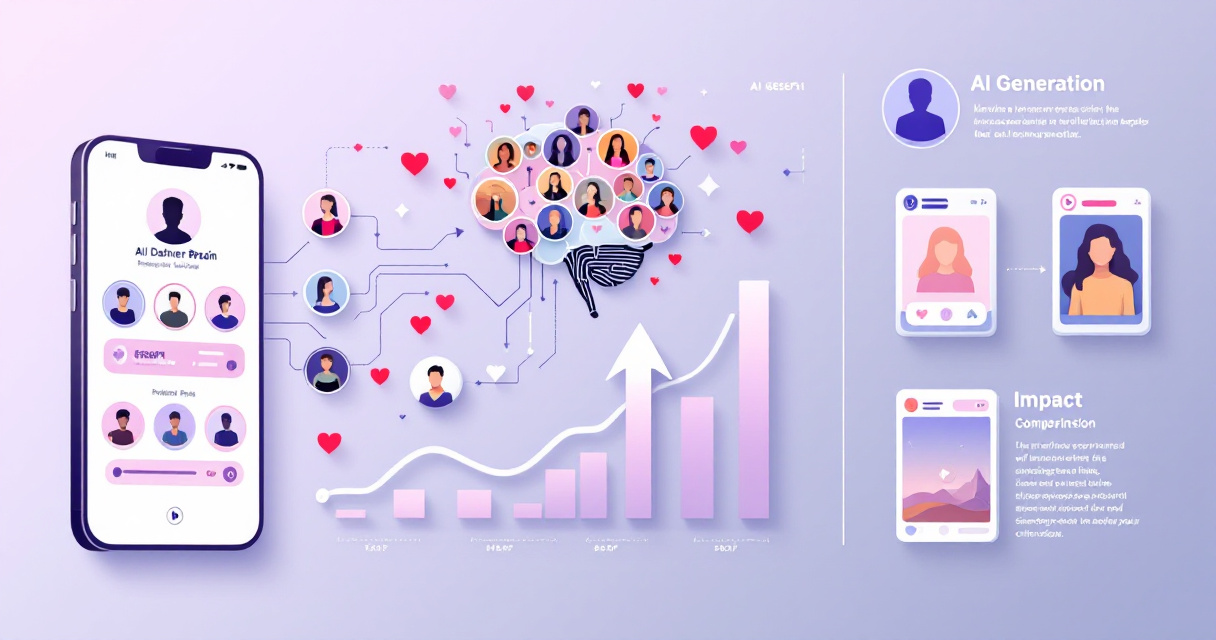
AI Dating Photo Experiment
Experiments like this highlight how subtle changes in lighting, facial framing, and background dramatically change profile perception.
How to Create AI Tinder Photos That Still Look Authentic
The biggest concern about AI profile photos is authenticity. Over-edited images can lead to awkward real-life meetings if the photos look nothing like you.
The goal is enhancement, not transformation.
Best Practices for Natural Looking AI Photos
- Use recent selfies for training images
- Avoid extreme style filters
- Keep hairstyles and facial hair accurate
- Choose realistic environments
- Include at least one real photo alongside AI images
A balanced profile builds trust while still benefiting from better visual presentation.
How AI Visual Tools Expand Beyond Dating Profiles
Many people also use AI image generators for professional branding, social media content, and business graphics.
For example, tools like the AI resume headshot generator create polished professional photos similar to those used on LinkedIn profiles.
Creators and entrepreneurs also rely on visual AI tools for marketing assets such as:
- AI YouTube thumbnail generators for attention-grabbing videos
- AI TikTok banner creators for channel branding
- AI website hero image generators for landing pages
The same visual AI technology that improves dating photos is now used across many digital platforms.
Ethical Concerns and Dating App Policies Around AI Photos
AI dating photos raise questions about honesty and digital identity. While most apps do not ban AI-enhanced images, misleading photos can damage trust.
Researchers studying digital relationships emphasize that authenticity remains essential for long-term success.
Potential Risks of AI Dating Photos
- Overly idealized appearance
- Unrealistic body proportions
- Photos that do not reflect real lifestyle
- Trust issues during in-person meetings
The most successful profiles use AI to enhance realism, not replace it.
How Dating Apps May Handle AI Photos in the Future
Some platforms are exploring verification systems and AI-detection tools. Photo verification features already exist on several dating apps to confirm identity.
As AI-generated media improves, apps may require transparency about synthetic images or prioritize verified photos.
What to Expect from AI Dating Photos by 2027
AI image generation is advancing quickly. The next wave of tools will likely move beyond static images into dynamic profile content.
Emerging Trends in AI Dating Profiles
- AI-generated short profile videos
- Realistic virtual photoshoots with motion
- Personalized profile optimization based on match data
- AI suggestions for profile prompts and bios
Creators are already using similar AI tools for marketing graphics like AI X post generators and AI podcast cover creators.
Dating profiles will likely adopt the same AI-powered design workflow.
Another Example of High Performing Dating Photos
The video highlights how framing, lighting, and confidence signals can dramatically increase engagement.
Conclusion
AI is quietly reshaping online dating. Better lighting, professional composition, and lifestyle context can dramatically improve how your Tinder profile is perceived.
Instead of relying on random phone photos, tools like The Looktara Lens make it possible to generate polished dating images in minutes. The technology works best when it enhances your real appearance rather than replacing it.
If you want more matches on Tinder, start with your photos. Upload strong selfies, generate several AI variations, test which images perform best, and keep your profile authentic.
Try creating your first set of AI-generated dating photos using The Looktara Lens today and see how much difference the right image can make.