

How Often Should You Update Your LinkedIn Photo? The 2026 Guide to Profile Picture Success
A recruiter spends an average of 7.4 seconds scanning a LinkedIn profile before deciding whether to engage. Your photo is the first thing they see, and an outdated headshot can signal that you're out of touch with your industry or simply not invested in your professional brand. LinkedIn remains the world's largest professional networking platform, connecting over 900 million members globally for career development and business opportunities. Yet most professionals treat their profile photo as a "set it and forget it" element, missing crucial opportunities to make stronger connections.
The question isn't whether you should update your LinkedIn photo; it's understanding when and why updates matter. Whether you're actively job hunting, building a personal brand as an entrepreneur, or simply maintaining your professional presence, keeping your headshot current is a strategic move. Tools like The Looktara Lens have made professional-quality updates accessible to anyone, removing the traditional barriers of expensive photoshoots. This guide breaks down exactly how often you should refresh your LinkedIn photo and the specific triggers that signal it's time for a change.
The Optimal LinkedIn Photo Update Timeline
There's no universal rule stamped on LinkedIn's guidelines about photo update frequency. However, industry research and hiring manager surveys point to clear patterns that maximize your profile's effectiveness.
Key Insight: Profiles with photos receive 21 times more views and 36 times more messages than those without. An outdated photo, though, can work against you almost as much as no photo at all.
Recommended Update Frequency by Professional Stage
Your career stage significantly influences how often you should refresh your headshot. Here's a breakdown based on real-world hiring patterns:
| Professional Stage | Recommended Frequency | Reasoning |
|---|---|---|
| Active job seeker | Every 6-12 months | Recruiters expect current appearance |
| Early career (under 5 years) | Every 1-2 years | Rapid professional growth and style evolution |
| Mid-career professional | Every 2-3 years | Unless major appearance or role changes |
| Executive or C-suite | Every 2-3 years | Consistency matters, but freshness signals relevance |
| Entrepreneur or freelancer | Every 12-18 months | Personal brand requires constant visibility |
Remote workers and freelancers updating professional profiles should lean toward more frequent updates since your photo often serves as clients' only visual impression of you.
Calendar-Based Update Strategy
Beyond career stage, consider building photo updates into your annual professional maintenance routine:
- Annual review date - Pick a specific month each year to evaluate your photo's relevance
- Performance review timing - Update after promotions or role changes
- Industry conference season - Refresh before major networking events
- New year reset - January works well for many professionals as a natural checkpoint
This systematic approach prevents your photo from aging without your notice.
Warning Signs Your LinkedIn Photo Needs an Immediate Update
Sometimes waiting for your scheduled update isn't enough. Certain situations demand immediate attention to your profile picture.

Reality check: If someone meeting you in person wouldn't recognize you from your LinkedIn photo, you've waited too long.
Appearance-Based Triggers
Physical changes happen gradually, making it easy to overlook how outdated your photo has become. Update immediately if:
- Your hairstyle or color has changed significantly
- You've grown or removed facial hair
- Your weight has noticeably shifted
- You wear glasses now (or stopped wearing them)
- Your current wardrobe style differs from the photo
- The photo is more than 5 years old regardless of other factors
Job seekers and career professionals needing LinkedIn headshots should prioritize accuracy over vanity. Showing up to an interview looking noticeably different than your profile creates an awkward first impression.
Context-Based Triggers
Your photo's setting and style can also become outdated:
- Industry shift - Moving from corporate to creative roles (or vice versa) demands a different visual approach
- Company culture change - Your new employer may have a different dress code
- Technology quality - Phone cameras from 2020 produce noticeably lower quality than 2026 standards
- Background relevance - That old office backdrop no longer represents your current situation
- Cropped group photos - If you're still using a cropped vacation or wedding photo, it's time to invest in something professional
Social media influencers and content creators face even higher standards since visual branding is core to their professional identity.
What Makes a LinkedIn Photo Worth Keeping
Before rushing to update, evaluate whether your current photo actually needs replacing. Strong LinkedIn photos share specific characteristics that remain effective over time.
Technical Quality Standards for 2026
LinkedIn's display dimensions and user expectations have evolved. Your photo should meet these benchmarks:
| Quality Factor | Minimum Standard | Ideal Standard |
|---|---|---|
| Resolution | 400x400 pixels | 800x800 pixels or higher |
| File size | Under 8MB | 1-4MB for optimal loading |
| Face coverage | 60% of frame | Face and upper shoulders visible |
| Lighting | Even, no harsh shadows | Professional three-point lighting look |
| Background | Non-distracting | Solid color or subtle professional setting |
If your current photo meets these standards and accurately represents your appearance, you're in good shape.
Professional Impact Elements
Beyond technical specs, effective LinkedIn photos communicate:
- Approachability - A genuine, slight smile outperforms serious expressions
- Competence - Appropriate attire for your industry
- Authenticity - Natural expression rather than stiff posed looks
- Confidence - Direct eye contact with the camera
Dating app users wanting authentic, attractive profile photos often struggle with the balance between polished and genuine; LinkedIn demands the same balance but with a professional lean. The Looktara Lens platform helps achieve this by generating images that avoid the fake skin tones and awkward poses common in AI-generated photos.
Modern Solutions for Frequent Photo Updates
Traditional headshot photography creates a significant barrier to regular updates. Professional photographers charge $150-500 per session, making annual updates feel excessive. New AI-powered solutions have changed the equation entirely.
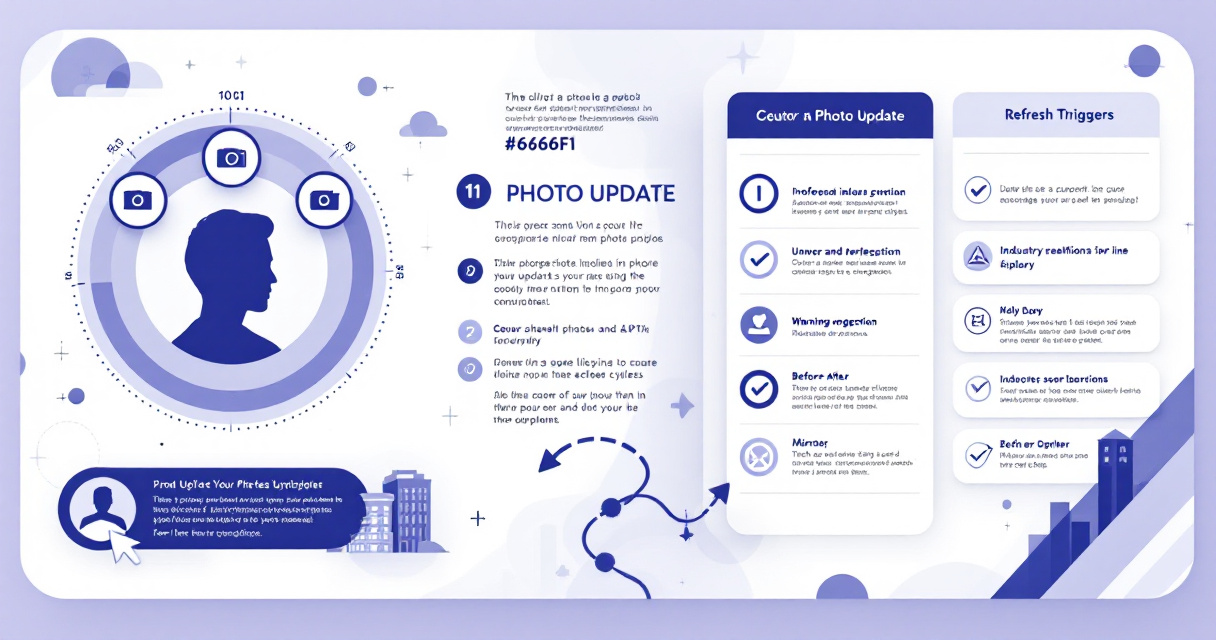
AI Photography Tools in 2026
The space of professional photo generation has matured significantly. According to research published in Future Internet, generative AI in visual applications has evolved from novelty to practical professional tool. Modern platforms now produce images that capture natural expressions and body language rather than the uncanny valley results of earlier systems.
When evaluating AI photography options, look for:
- Multiple style outputs from a single input
- Natural lighting simulation
- Background customization options
- High-resolution export capability
- Realistic skin texture (avoiding the "filtered" look)
Using The Looktara Lens addresses the common complaint that AI-generated images fail to capture natural expressions. With a 4.5+ rating on Trustpilot, it's built specifically for headshot and professional photography needs.
Creating a Photo Library for Flexibility
Smart professionals now maintain a small library of professional headshots rather than relying on a single image. This approach offers several advantages:
- Platform variety - Different photos can work better on LinkedIn versus other platforms
- Mood matching - Choose approachable or authoritative based on your current goals
- Quick updates - Swap photos without scheduling new shoots
- A/B testing - Try different photos and monitor profile engagement
Consider creating visuals for multiple purposes. For instance, if you're building content around professional topics, you might explore tools for creating LinkedIn post graphics or even YouTube thumbnails that maintain consistent personal branding across platforms.
Industry-Specific Photo Update Considerations
Your industry's norms should influence both update frequency and photo style. What works in tech startups may feel inappropriate in legal or financial services.
High-Update Industries
Some fields demand more frequent visual refreshes:
- Tech and startups - Rapid change is the norm; photos older than 2 years feel stale
- Marketing and creative - Your visual brand IS your credential
- Real estate and sales - Client-facing roles require current, trustworthy imagery
- Media and entertainment - Appearance consistency matters for recognition
- Coaching and consulting - Personal brand drives business development
Entrepreneurs and business owners requiring professional brand imagery should treat their LinkedIn photo with the same strategic attention as their website hero images or promotional materials.
Lower-Update Industries
Other sectors prioritize stability over freshness:
- Academia - 3-4 year cycles are acceptable if appearance is stable
- Government - Conservative approach to change
- Healthcare - Trust and consistency valued over trendiness
- Legal services - Classic, timeless imagery preferred
Even in these fields, the maximum recommended window remains around 3 years for accuracy purposes.
Measuring the Impact of Photo Updates
Updating your photo isn't just about vanity; it produces measurable results. LinkedIn provides analytics that help you track whether your new headshot is performing.
Key Metrics to Monitor
After updating your photo, track these indicators over 30-60 days:
- Profile views - Should increase if your photo is more engaging
- Search appearances - Better photos can improve search result click-through
- Connection request acceptance rate - More approachable photos yield higher acceptance
- Message response rates - InMail and message engagement often correlates with profile quality
HubSpot Marketing's guide to creating professional LinkedIn profiles covers additional optimization tactics that complement a strong headshot.
What to Do If Metrics Drop
Sometimes a new photo underperforms. If your engagement drops after an update:
- Compare the old and new photos objectively
- Ask trusted colleagues for honest feedback
- Check technical quality (lighting, resolution, cropping)
- Consider whether the new photo matches your industry's expectations
- Test an alternative from your photo library
Don't abandon a quality photo too quickly; algorithm fluctuations can create temporary dips unrelated to your image.
Conclusion
Your LinkedIn photo is a living element of your professional brand, not a static archive image. For most professionals, evaluating your headshot every 12-18 months strikes the right balance between freshness and stability. Active job seekers should update more frequently, while established professionals in traditional industries can extend to 2-3 years if their appearance remains consistent.
The practical barrier to updates has largely disappeared. AI photography platforms like The Looktara Lens make it possible to generate professional-quality headshots without the cost and scheduling hassle of traditional photography. This accessibility means there's little excuse for letting your LinkedIn photo become a liability.
Your action items:
- Check when your current photo was taken; if you can't remember, it's probably time for an update
- Evaluate your photo against the quality standards and warning signs outlined above
- Schedule a recurring calendar reminder to assess your photo annually
- Build a small library of professional headshots for flexibility
- Track your profile metrics before and after any changes
Your next connection, client, or employer is forming an impression of you right now. Make sure they're seeing the real, current you.